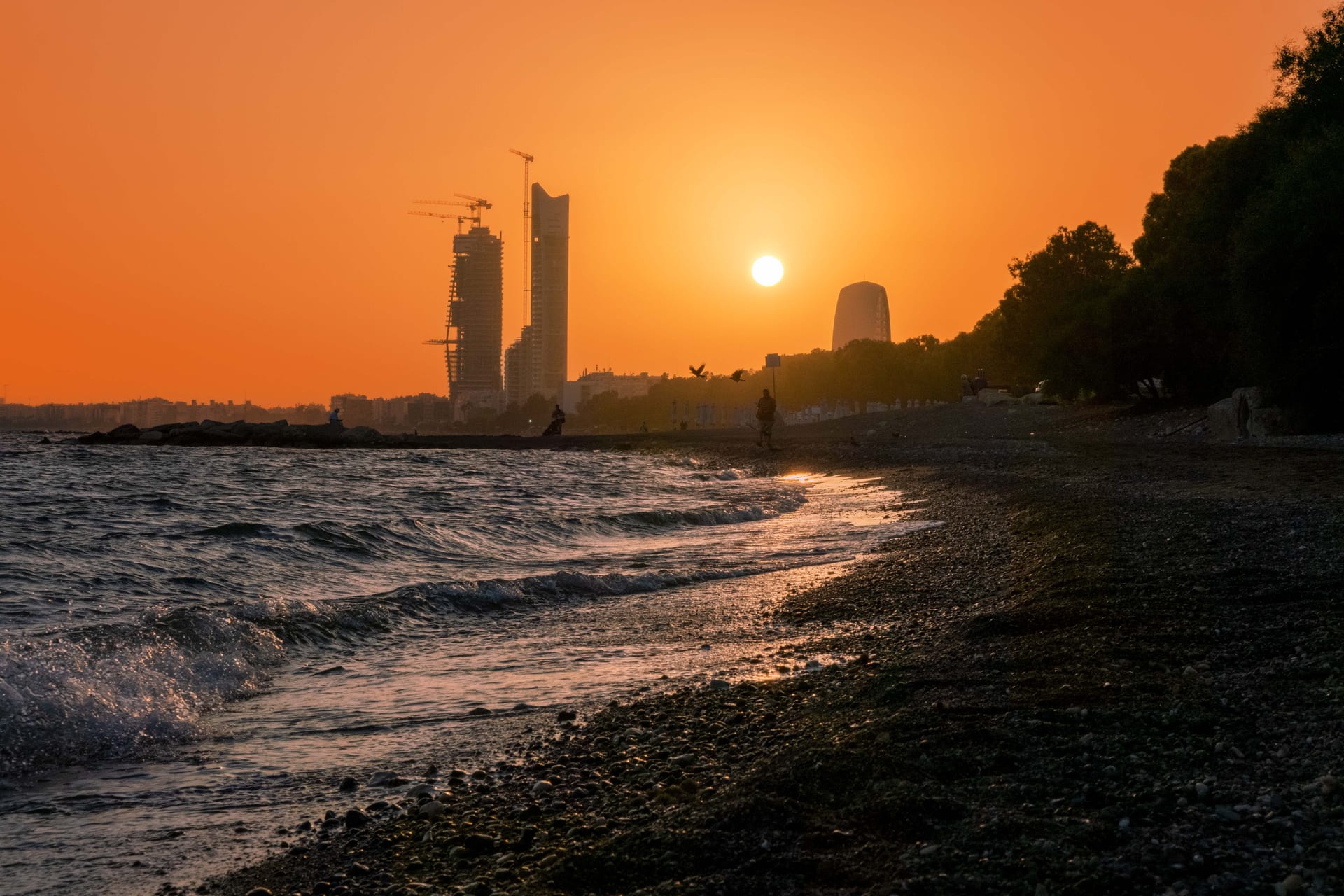
 Cyprus
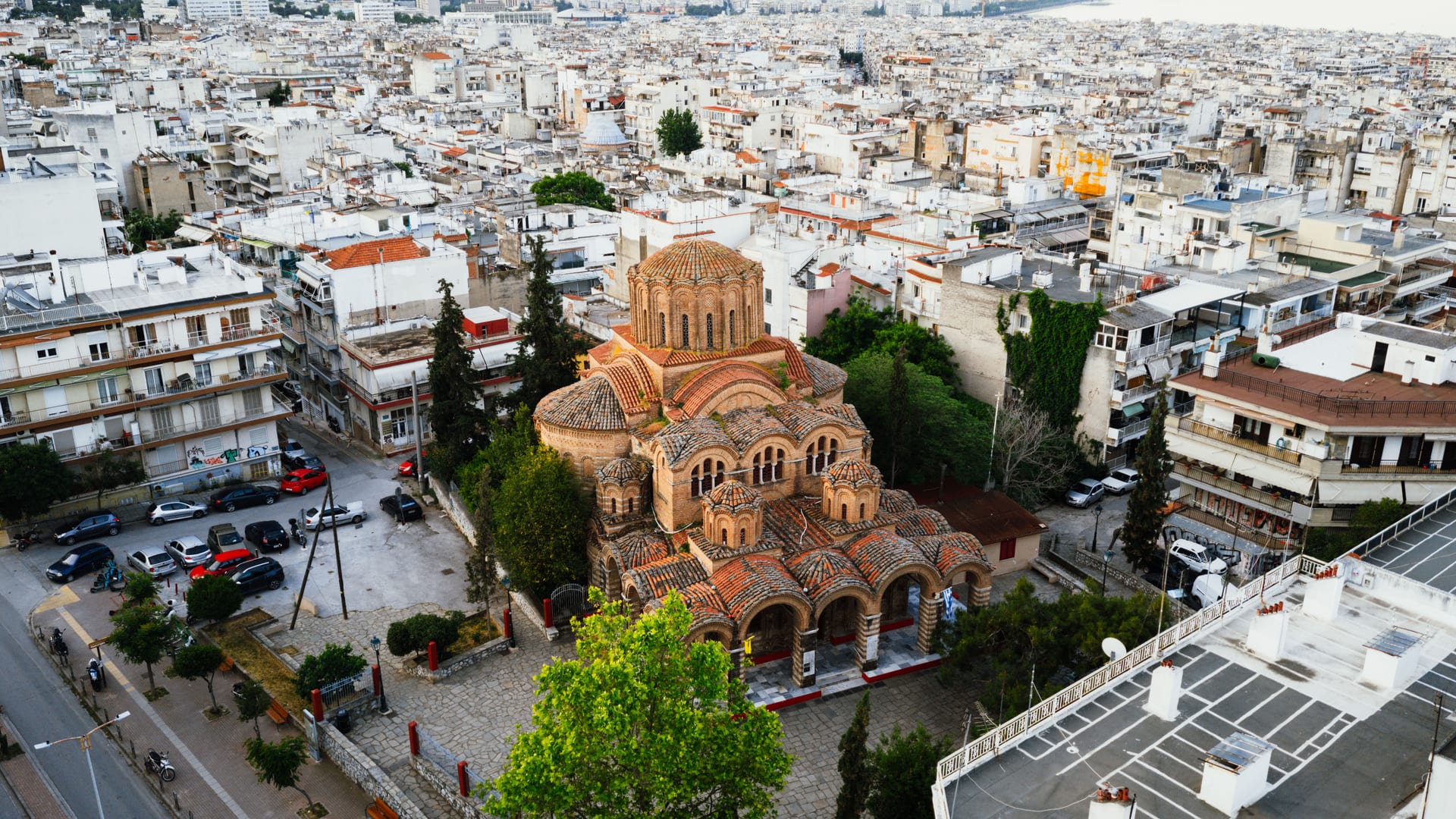
 Greece
Limassol makes sense if
- You want the easier housing and budget equation in this comparison.
- A calmer day-to-day safety profile matters most to you.
- You want the broader career options in this comparison.
Limassol's sunny coast, mild winters and international business community create a beach-oriented routine. Thessaloniki has warm, bright weather too, but local hiring is narrow and pay is low, making secure outside income useful.
The grey shape is all 283 cities; each row says whether lower or higher is better. Ratings out of 10 are our reviewed estimates; the rest is published data. How we measure
Set how much each area counts. The ranking updates as you go. Climate and values are left out because there is no better or worse there, only your taste.
Leads on money, safety & health and work & family; stands out for beach & sea and jobs in english.
Narrowly best on city life: 66 vs Limassol's 64; stands out for public transport and train connections.
Scores out of 100, averaged from the areas you weighted. For a ranking built around your own situation, take the quiz.
Rent on a new lease, everyday prices and tax.
The year month by month. Whether it suits you is yours to judge.
Solid line: average daytime high. Dashed: night-time low. Point at the chart for any month; point at a city name to shade its range.
How easily you get to water, mountains and green space.
Getting around on foot, food, culture and the feel of the streets.
Crime, how safe people feel, and the care you would get.
Jobs, working culture, schools and raising kids.
Visas, language, paperwork and staying connected.
Where each city sits. There is no right end of these scales.
Limassol is compact and low-rise by big-city standards, far smaller than Athens or Málaga, with a relaxed pace that has picked up as money and newcomers arrived. It is built around the car, walkability is modest, and the urban fabric feels more spread-out than dense, so getting around without driving takes patience.
A walkable, dense city built along the waterfront, where most errands happen on foot and the car stays parked more than in many Greek towns. The pace is unhurried, and neighbourhoods blend homes, shops and tavernas at street level.
Among the safest places a newcomer could pick. Violent crime is very low, the roads are statistically calm, and walking around after dark feels secure for most residents.
Violent crime is rare and the homicide rate is very low, on par with Athens and most of Western Europe, and the roads are comparatively safe. Pickpocketing and other petty theft are the more realistic concern, common enough in busy areas.
Limassol offers a compact but usable local market, with strong access to English-language jobs and remote work. Care quality is solid if unspectacular, roughly in line with Nicosia and a notch below the bigger Spanish and German options.
Thessaloniki's career picture is narrow. Doctors are plentiful, with availability that outstrips much of Europe, and English is spoken often enough in clinics to manage.
Tavernas, cafes and a lively seafront nightlife give it more of an evening pulse than Nicosia, and the international crowd has broadened what's on the menu. Limassol's newer marina developments are tidy, though older districts are more mixed.
Food is the headline. What it offers is cheapness: a student city where seafront life, tavernas and festivals cost almost nothing.
Limassol is the stronger choice for an international coastal base with business networks. Thessaloniki may fit better if healthcare and a lively Greek city matter more and your work is not tied to local employers.
These numbers treat everyone the same. The quiz weighs them by your budget, climate taste, family and work, and ranks all 283 cities for you.