 France
Lyon makes sense if
- You want the easier housing and budget equation in this comparison.
- Access to stronger healthcare matters most to you.
- You want the broader career options in this comparison.
Lyon is the stronger professional and everyday urban base, with better healthcare, food, and walkable public space. Nice offers the Riviera setting, but rent runs slightly above Lyon's and tourist pressure raises daily costs.
The grey shape is all 283 cities; each row says whether lower or higher is better. Ratings out of 10 are our reviewed estimates; the rest is published data. How we measure
Set how much each area counts. The ranking updates as you go. Climate and values are left out because there is no better or worse there, only your taste.
Leads on nature & outdoors and moving & settling in; stands out for beach & sea and winter comfort.
Narrowly best on work & family: 65 vs Nice's 62; stands out for lakes & rivers and cycling infrastructure.
Scores out of 100, averaged from the areas you weighted. For a ranking built around your own situation, take the quiz.
Rent on a new lease, everyday prices and tax.
The year month by month. Whether it suits you is yours to judge.
Solid line: average daytime high. Dashed: night-time low. Point at the chart for any month; point at a city name to shade its range.
How easily you get to water, mountains and green space.
Getting around on foot, food, culture and the feel of the streets.
Crime, how safe people feel, and the care you would get.
Jobs, working culture, schools and raising kids.
Visas, language, paperwork and staying connected.
Where each city sits. There is no right end of these scales.
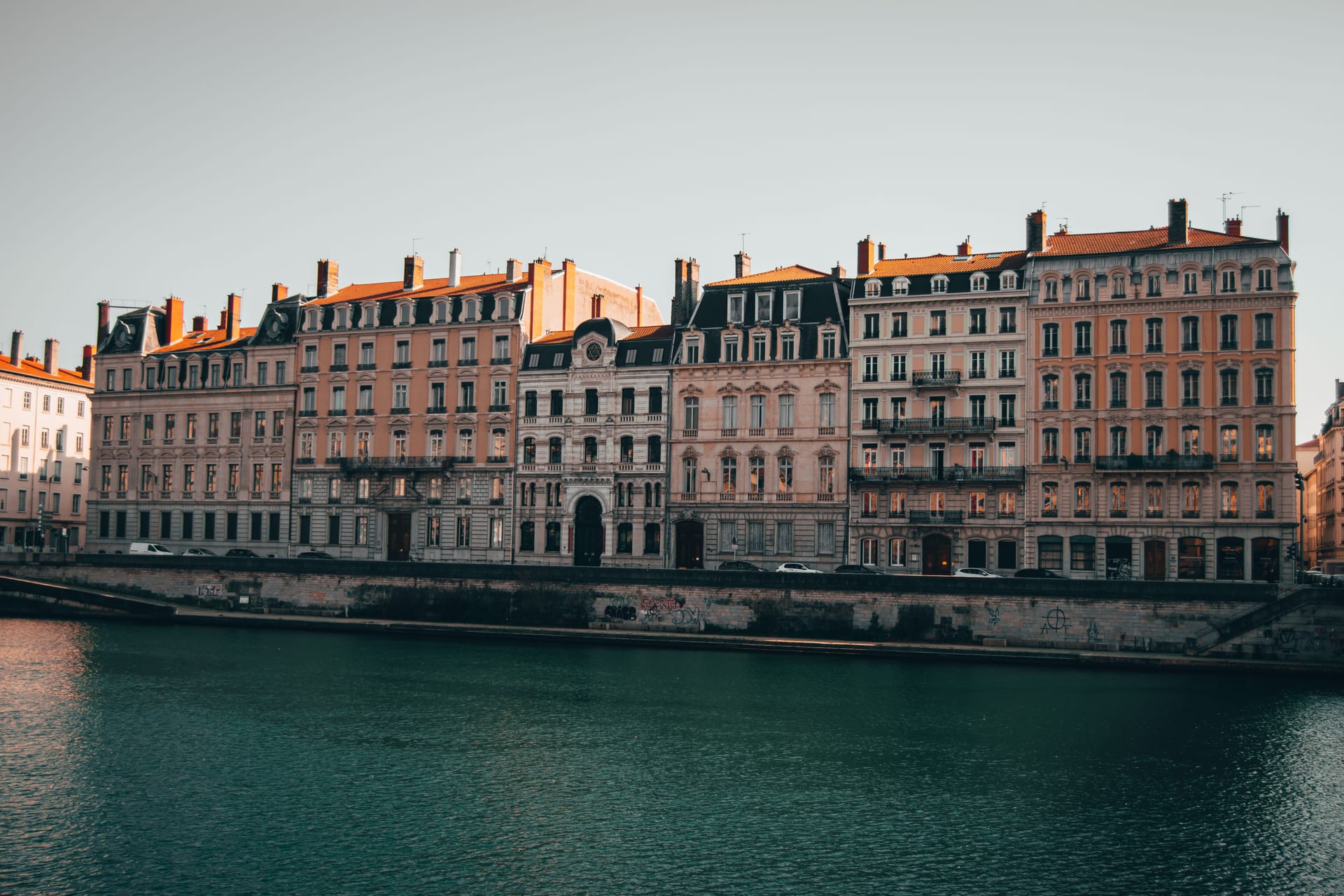
Lyon is compact and built for walking, with districts such as Vieux Lyon and the Presqu'île mixing homes, shops and cafes at street level. It carries the texture of a major city at a more human scale than Paris, though flats tend to be small and the overall pace is calmer than the capital.
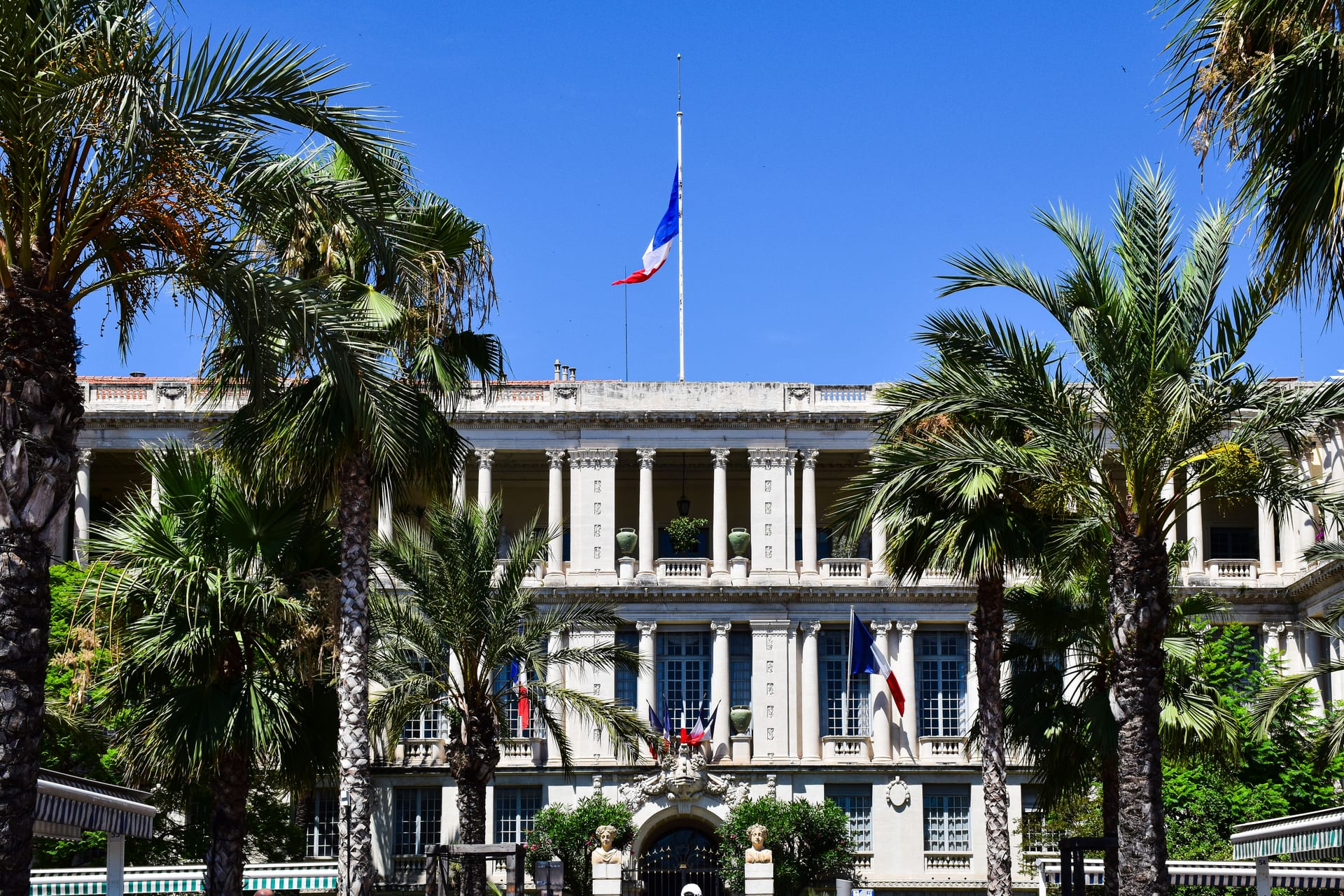
Nice feels urban without feeling sprawling. The trade-off is tighter housing space, while the pace is calmer and more residential than a major metropolitan centre.
Broadly safe by big-city standards, with low serious violence and reassuring road safety. Pickpocketing and the usual urban petty crime exist around busy quarters and transit, and perceptions of night-time safety land middling rather than excellent.
Serious violent crime is rare and the roads are comparatively safe. Nice records the least theft per resident of the French cities we cover, though pickpocketing in the tourist core still calls for ordinary care.
Lyon has a substantial local job market with good industry fit and professional networks, particularly in established sectors. Care quality is high and out-of-pocket exposure stays low once a resident is inside the French system, with strong hospitals and dependable emergency cover.
Nice's local job market is fairly narrow, with high unemployment and English-language roles that are not especially plentiful. France's healthcare system is strong, and Nice plugs into it with capable hospitals and low out-of-pocket exposure once residents are in the system.
Nightlife and the music scene are good without rivalling Paris or Berlin, and English-only options thin out fast outside the centre. Lyon keeps its centre tidy, though grime creeps into the older corners.
Strong on food and a distinct local identity, with Niçoise cooking, good restaurants, and a Mediterranean cafe life that blends French and Italian influence. Nice is a Riviera resort, fairly well kept though showing touristy wear in places.
Choose Lyon for local work, specialist care, serious food culture, and a practical riverfront city. Nice fits people who value the coast and international atmosphere, with housing costs depending heavily on neighbourhood and season.
These numbers treat everyone the same. The quiz weighs them by your budget, climate taste, family and work, and ranks all 283 cities for you.