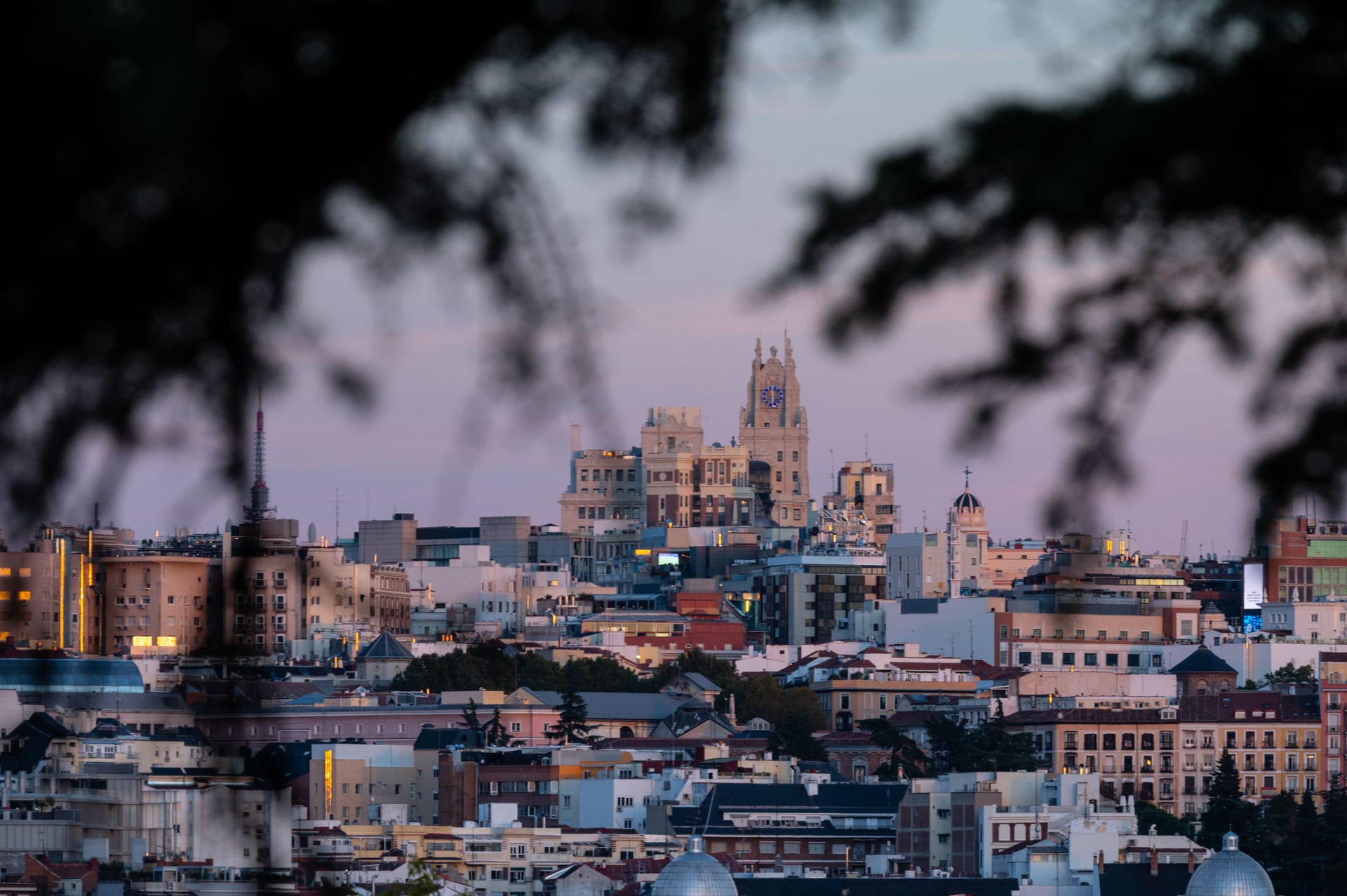
 Spain
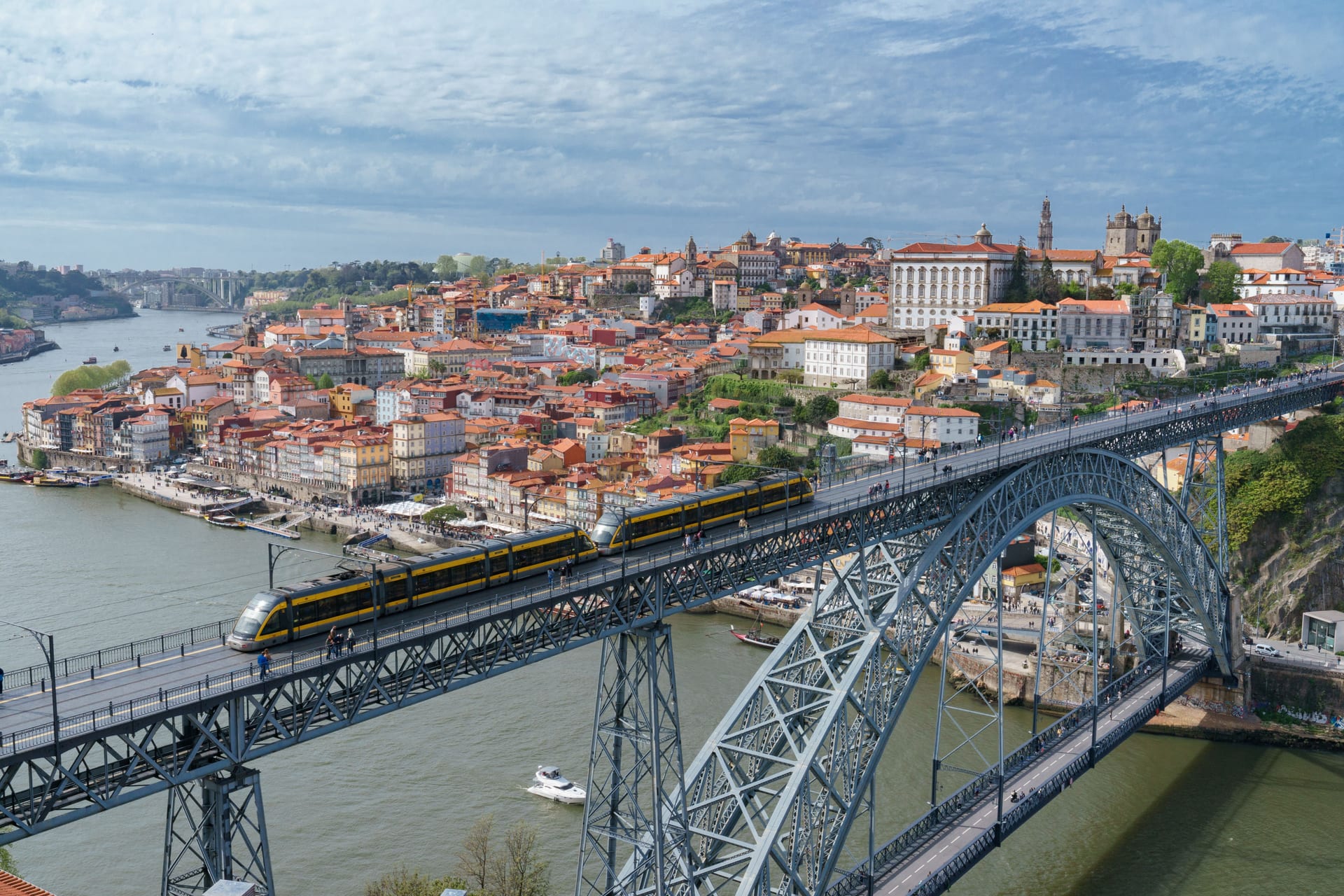
 Portugal
Madrid makes sense if
- You want the easier housing and budget equation in this comparison.
- A calmer day-to-day safety profile matters most to you.
- Access to stronger healthcare matters most to you.
Madrid has a serious local job market and a long bright season, though summers run hot and English-only roles are limited. Porto is milder and appealing for outdoor life, but local hiring is thinner and pay lower than in Madrid, making it easier for people who bring their work.
The grey shape is all 283 cities; each row says whether lower or higher is better. Ratings out of 10 are our reviewed estimates; the rest is published data. How we measure
Set how much each area counts. The ranking updates as you go. Climate and values are left out because there is no better or worse there, only your taste.
Leads on city life, work & family and moving & settling in; stands out for hiking and professional network.
Closest to the top on safety & health, 1 point behind Madrid; stands out for beach & sea and milder summers.
Scores out of 100, averaged from the areas you weighted. For a ranking built around your own situation, take the quiz.
Rent on a new lease, everyday prices and tax.
The year month by month. Whether it suits you is yours to judge.
Solid line: average daytime high. Dashed: night-time low. Point at the chart for any month; point at a city name to shade its range.
How easily you get to water, mountains and green space.
Getting around on foot, food, culture and the feel of the streets.
Crime, how safe people feel, and the care you would get.
Jobs, working culture, schools and raising kids.
Visas, language, paperwork and staying connected.
Where each city sits. There is no right end of these scales.
Madrid is a dense, walkable city where most daily errands happen on foot and a car is rarely necessary. Neighbourhoods mix homes, shops, and bars at street level, and the pace is fast, on a par with Berlin and a world away from sleepier Lisbon.
Compact, walkable and built for getting around on foot, with low reliance on a car. The tempo is calm, slower than Lisbon and far removed from a big-capital rush.
The main nuisance is pickpocketing in tourist-heavy spots and on the metro, roughly in line with other large Spanish and European cities. Traffic is well managed and serious incidents are rare.
Violent crime is rare, the streets feel relaxed after dark, and roads are reasonably orderly. Pickpocketing exists around the tourist core as anywhere, but it stays low overall.
Madrid has a deep local job market, broad industry coverage, a strong professional network, and a credible technology base. Spain's public health system is strong and Madrid sits near the top of it, with good hospitals and dependable emergency care.
Local hiring is the weak spot. Solid public healthcare with good doctor availability and dependable emergency care, broadly on par with Lisbon.
The dining scene is deep, the cafe culture is everywhere, and the nightlife runs later and harder than almost anywhere in Europe. Madrid keeps its central districts reasonably well, carrying the usual big-city wear.
Cafe culture runs deep and the local food and wine traditions are a real part of daily life, port and the riverside tascas included. What redeems it is the Ribeira waterfront and the riverside terraces, generous public space that costs nothing to enjoy.
Madrid suits people who can work in the local market or bring an international role and want a larger capital setting. Porto offers a milder, safer-feeling daily pace for remote earners, but less local career depth.
These numbers treat everyone the same. The quiz weighs them by your budget, climate taste, family and work, and ranks all 283 cities for you.