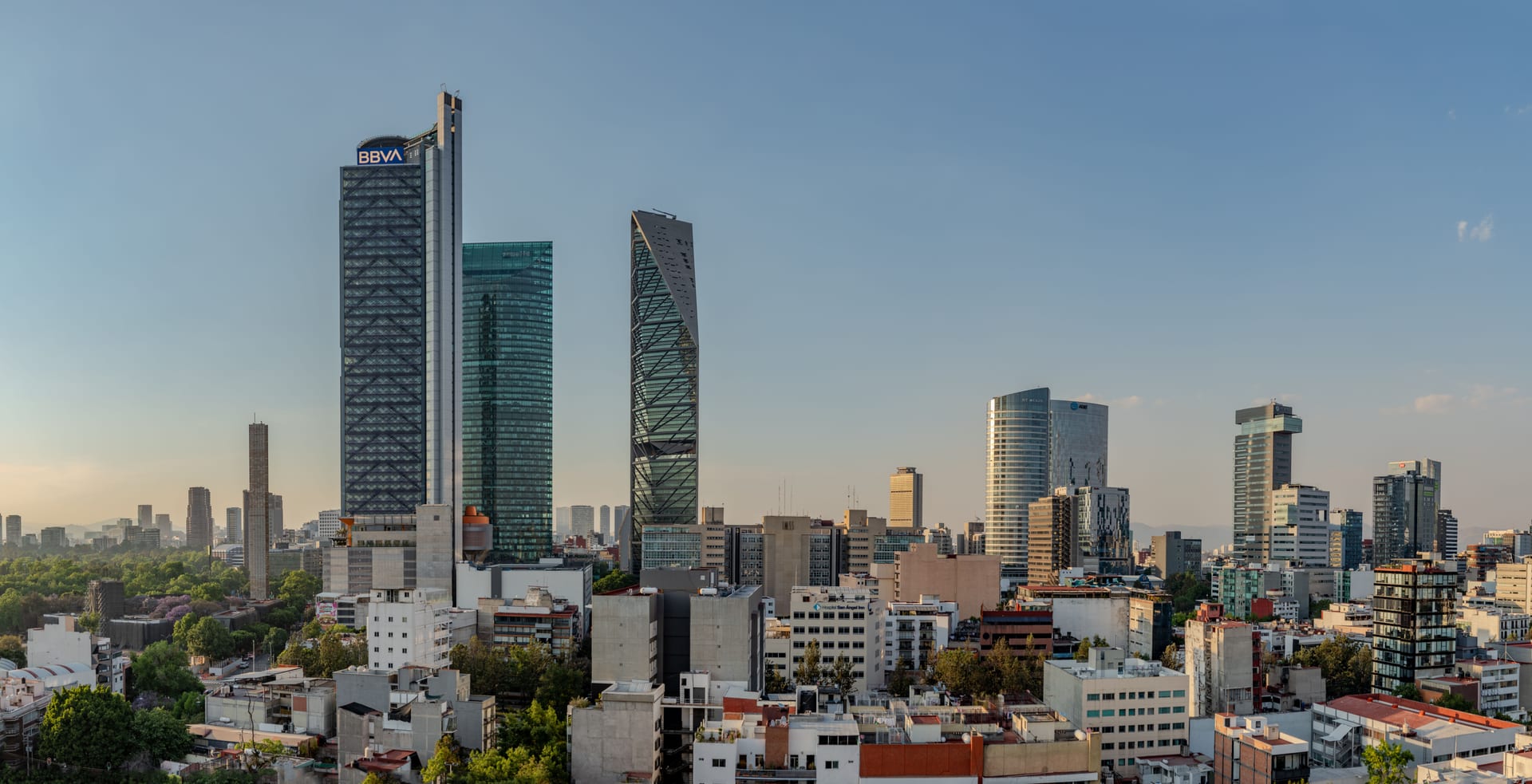
 Mexico
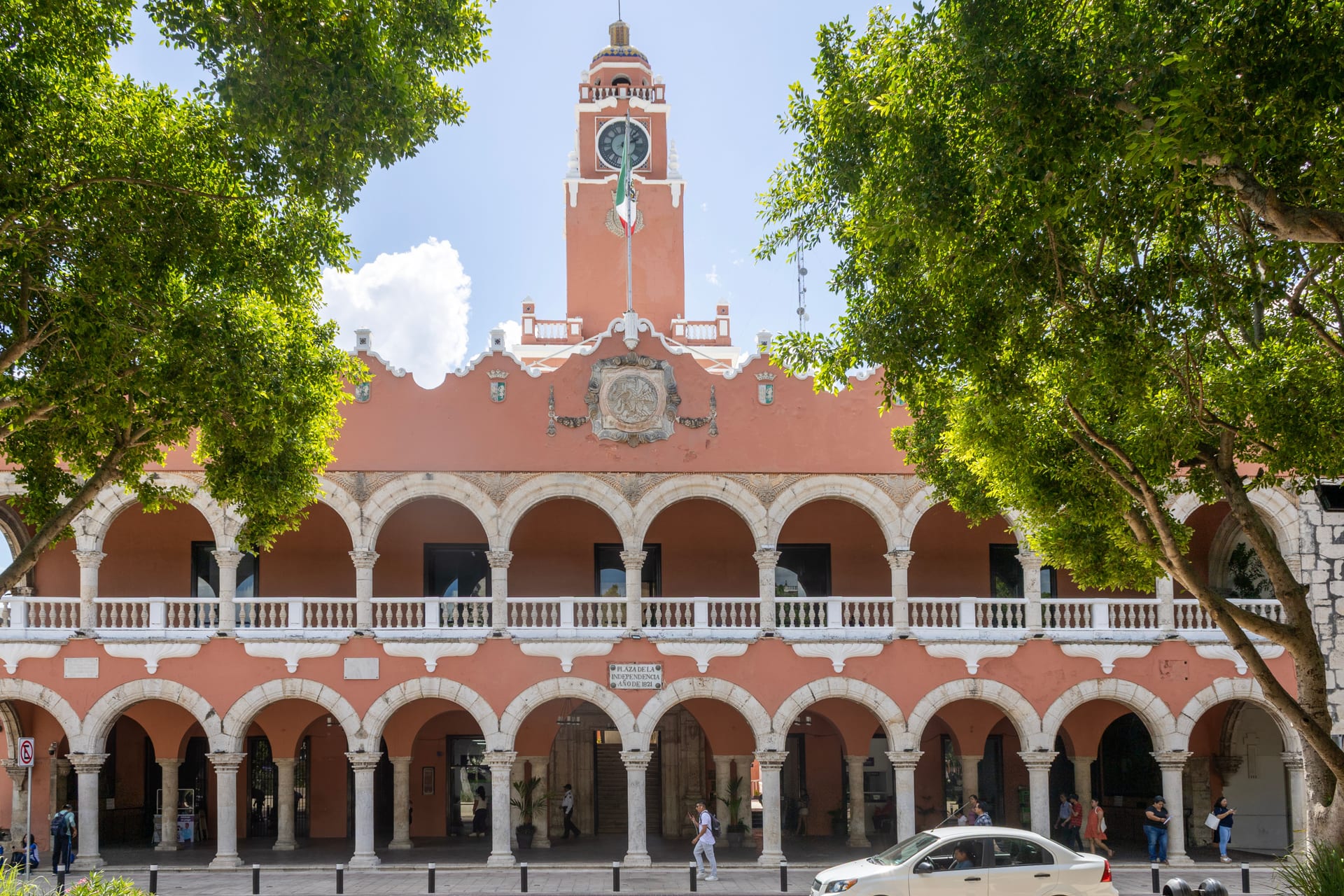
Mérida makes sense if
- You want the easier housing and budget equation in this comparison.
- A calmer day-to-day safety profile matters most to you.
- You value stronger public spaces and everyday city life.
Mérida is calmer, safer, and more manageable, with a distinctive Yucatecan food and colonial setting. Mexico City brings far deeper careers, hospitals, museums, and public life, with more noise and petty-crime pressure.
The grey shape is all 283 cities; each row says whether lower or higher is better. Ratings out of 10 are our reviewed estimates; the rest is published data. How we measure
Set how much each area counts. The ranking updates as you go. Climate and values are left out because there is no better or worse there, only your taste.
Leads on nature & outdoors, city life and work & family; stands out for fewer muggy days and mountains.
Leads on safety & health; stands out for beach & sea and traffic flow.
Scores out of 100, averaged from the areas you weighted. For a ranking built around your own situation, take the quiz.
Rent on a new lease, everyday prices and tax.
The year month by month. Whether it suits you is yours to judge.
Solid line: average daytime high. Dashed: night-time low. Point at the chart for any month; point at a city name to shade its range.
How easily you get to water, mountains and green space.
Getting around on foot, food, culture and the feel of the streets.
Crime, how safe people feel, and the care you would get.
Jobs, working culture, schools and raising kids.
Visas, language, paperwork and staying connected.
Where each city sits. There is no right end of these scales.
A mid-sized, low-slung city that spreads out rather than up. Life leans heavily on the car, and walkability is patchy once you leave the historic centre.
The best central neighbourhoods are genuinely walkable and full of life, but the wider city leans on cars and long commutes. The pace is fast and the scale can feel overwhelming at first.
Mérida's calling card. By the usual measures it is among the safest cities in Mexico, with low violent crime and a population that genuinely feels at ease walking around after dark.
Safety is a serious daily consideration. Traffic adds another layer of caution, and weak political stability means neighbourhood and hour choices materially shape daily life.
Mérida's local career market is thin, with limited industry depth, few English-language roles and little startup or tech activity. Workable but not a strength.
Mexico City has a real employment base with low unemployment, solid professional networks, and a credible startup scene. Private hospitals in the capital are solid and far cheaper than in wealthy countries, and English-speaking doctors are findable in the better clinics.
Yucatecan food and culture run deep here, distinct from central Mexico and proudly its own thing, from cochinita pibil to a steady calendar of plaza events and museums. Merida is calm and orderly, its colonial centro cleaner and safer than Mexico's big metros, anchored by the restored Paseo de Montejo and a lively zocalo.
The food scene spans street stalls to some of the world's most celebrated restaurants, and the museum, music, and arts calendar rivals any capital in the Americas. Mexico City is vibrant but grimy, its upkeep uneven and the pollution and litter hard to miss.
Choose Mérida for a quieter remote-work base and strong local character. Mexico City is the practical choice for ambitious local careers, specialist care, and cultural range; its density and safety trade-offs are part of the deal.
These numbers treat everyone the same. The quiz weighs them by your budget, climate taste, family and work, and ranks all 283 cities for you.