 Canada
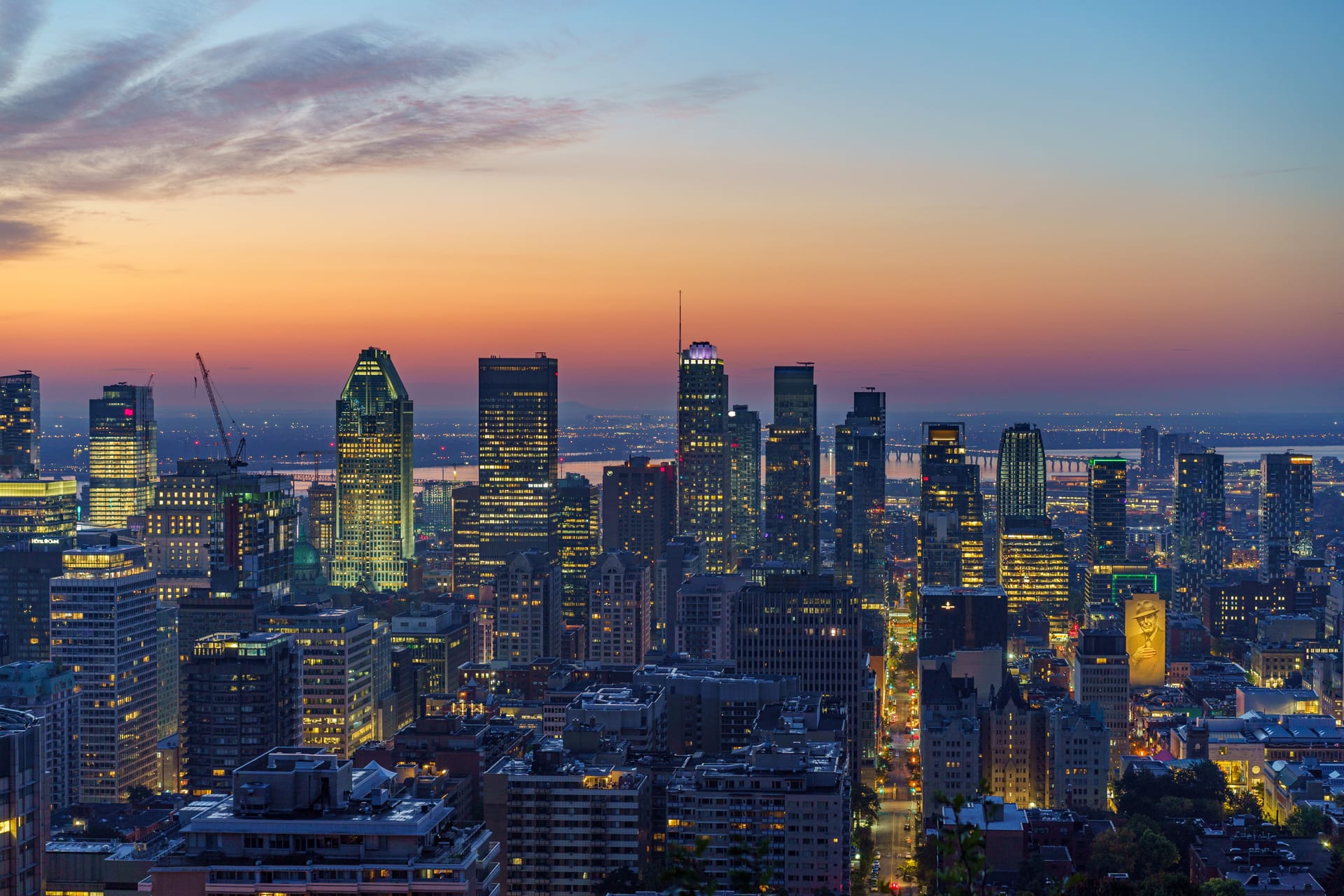
Montréal makes sense if
- You want the easier housing and budget equation in this comparison.
- A calmer day-to-day safety profile matters most to you.
Montréal is much cheaper and leads on safety, while public life is tied. It also brings a distinct French-language cultural scene; Toronto offers the deeper English-first career market, stronger healthcare access, and broader international food and festivals.
The grey shape is all 283 cities; each row says whether lower or higher is better. Ratings out of 10 are our reviewed estimates; the rest is published data. How we measure
Set how much each area counts. The ranking updates as you go. Climate and values are left out because there is no better or worse there, only your taste.
Leads on nature & outdoors; stands out for hiking and national parks nearby.
Leads on moving & settling in; stands out for a smaller language barrier and jobs in english.
Scores out of 100, averaged from the areas you weighted. For a ranking built around your own situation, take the quiz.
Rent on a new lease, everyday prices and tax.
The year month by month. Whether it suits you is yours to judge.
Solid line: average daytime high. Dashed: night-time low. Point at the chart for any month; point at a city name to shade its range.
How easily you get to water, mountains and green space.
Getting around on foot, food, culture and the feel of the streets.
Crime, how safe people feel, and the care you would get.
Jobs, working culture, schools and raising kids.
Visas, language, paperwork and staying connected.
Where each city sits. There is no right end of these scales.
Montréal feels built for walking, with dense, distinct neighbourhoods stitched together by a metro and bike network that make a car optional rather than essential. The triplex streets and corner cafés give it a low-rise, human-scaled texture closer to Europe than to most of North America.
Walkable, livable neighbourhoods exist, though it leans more car-dependent than Montréal, and apartments run small. The pace is brisk, more so than most Canadian cities, without reaching New York intensity.
Serious violence is rare and political stability is a given, but Montréal's recorded violent crime, which in Canada includes common assault and threats, is among the higher rates of the Canadian cities we cover. Theft is the lowest of the six, and most people move around day and night without much worry.
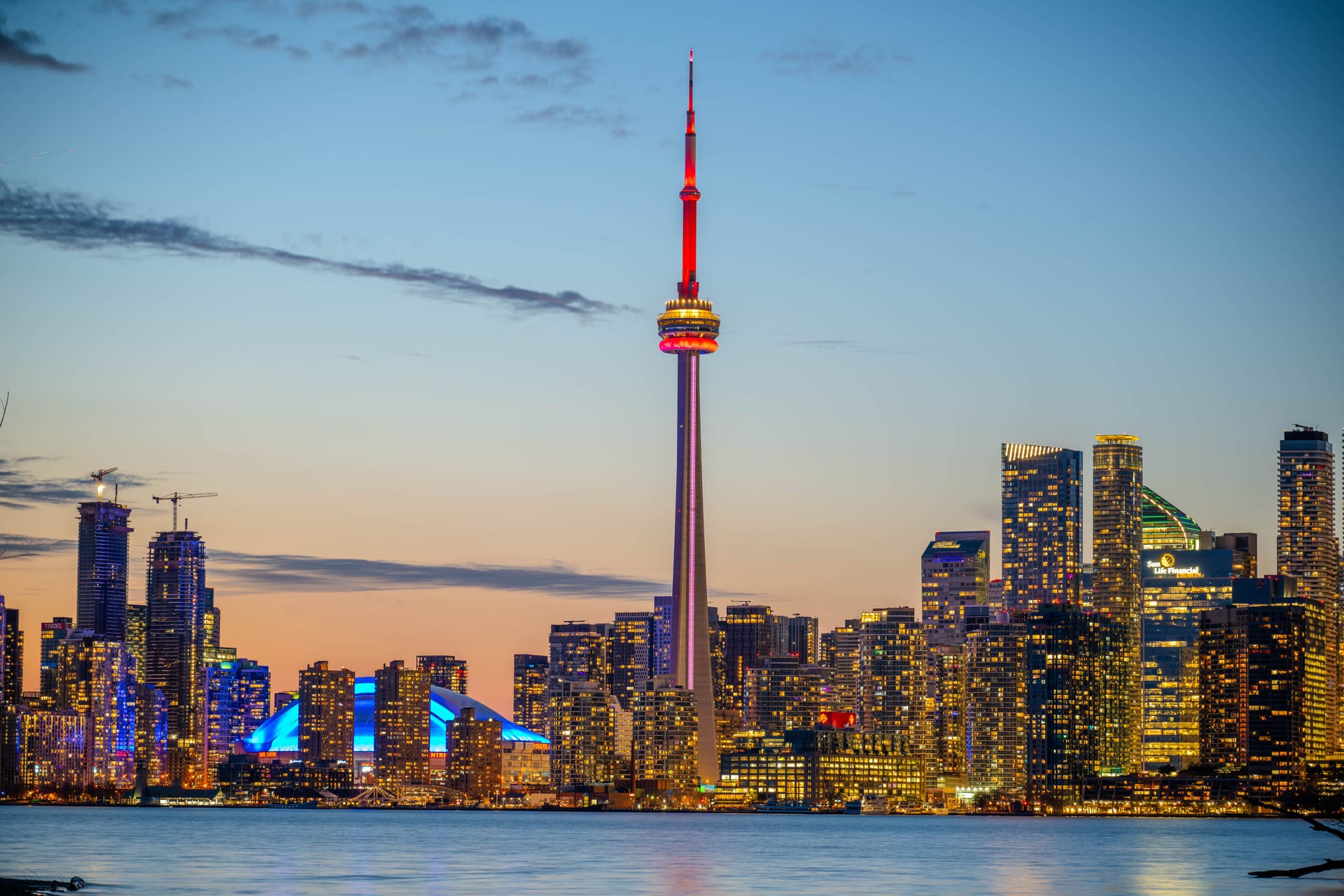
Safety is one of Toronto's clearest strengths. Serious violent crime is rare, the streets feel calm day and night, and the wider stability of the country underpins all of it.
Montreal has a respectable, varied job market with strengths in established industries and technology. The care itself is solid and the cost exposure is low, which is the public-system upside.
Toronto has a strong English-speaking market with depth across industries, backed by solid professional and technology networks. Care comes through Canada's public system, so out-of-pocket costs stay low and everything runs in English.
The restaurant scene, the music and arts, the festival calendar, and a distinct local culture all run deep, and the nightlife keeps going late. It is cheap for a major city, and the free festivals and street life run almost year-round.
The food and culture scene reflects the city's makeup: one of the most internationally mixed populations anywhere, and the restaurants, festivals, and communities to show for it. Toronto is an affluent, fairly clean metro with a walkable, transit-served core, a reworked waterfront and proper civic squares to gather in.
Choose Montréal for lower housing pressure, a safer-feeling core, and richer French-language nightlife. Choose Toronto for finance, technology, English-language careers, and medical depth; its higher costs are the central trade-off, while public life is broadly even.
These numbers treat everyone the same. The quiz weighs them by your budget, climate taste, family and work, and ranks all 283 cities for you.