 India
Mumbai makes sense if
- Access to stronger healthcare matters most to you.
- You want the broader career options in this comparison.
- You want the deeper culture and food scene.
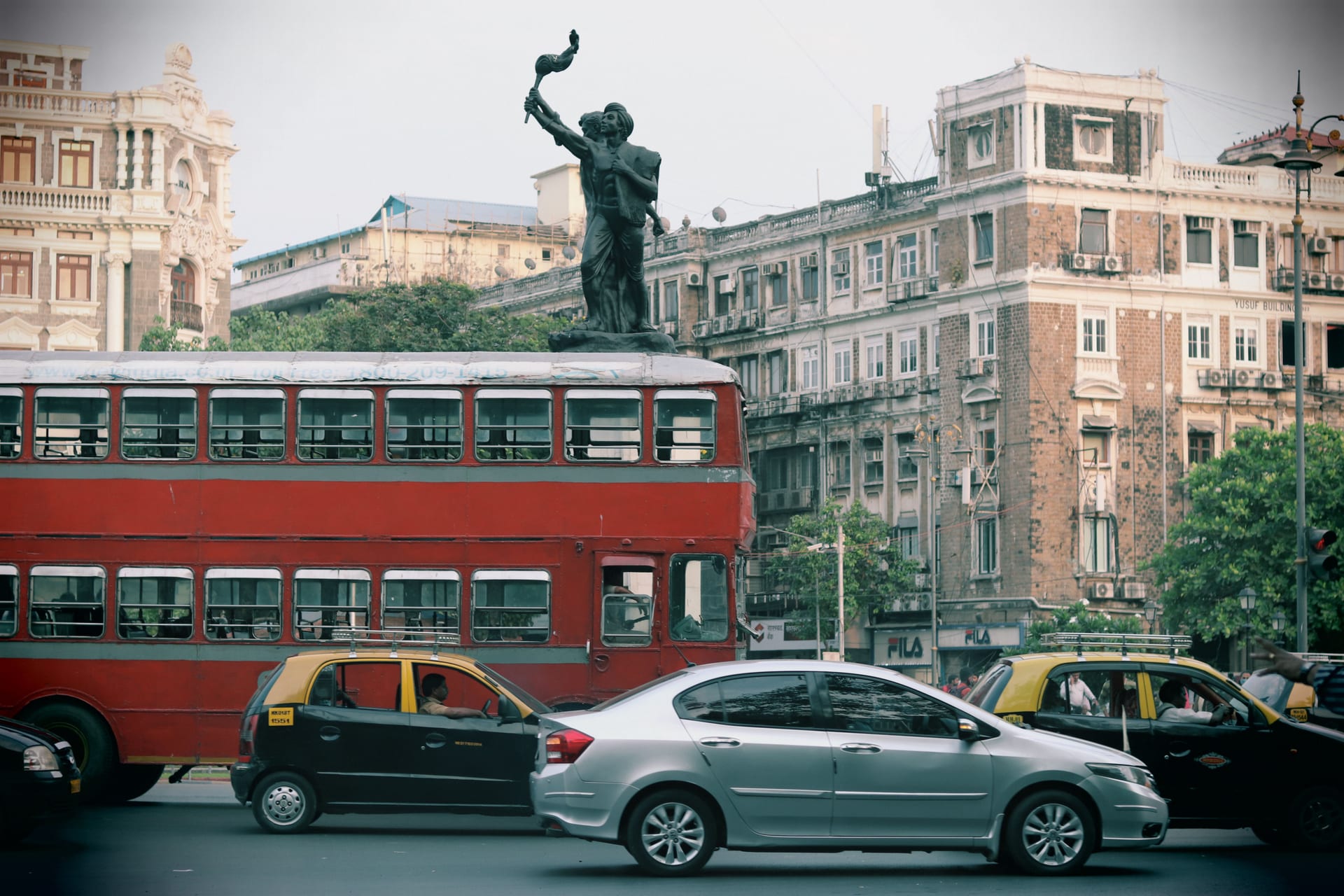
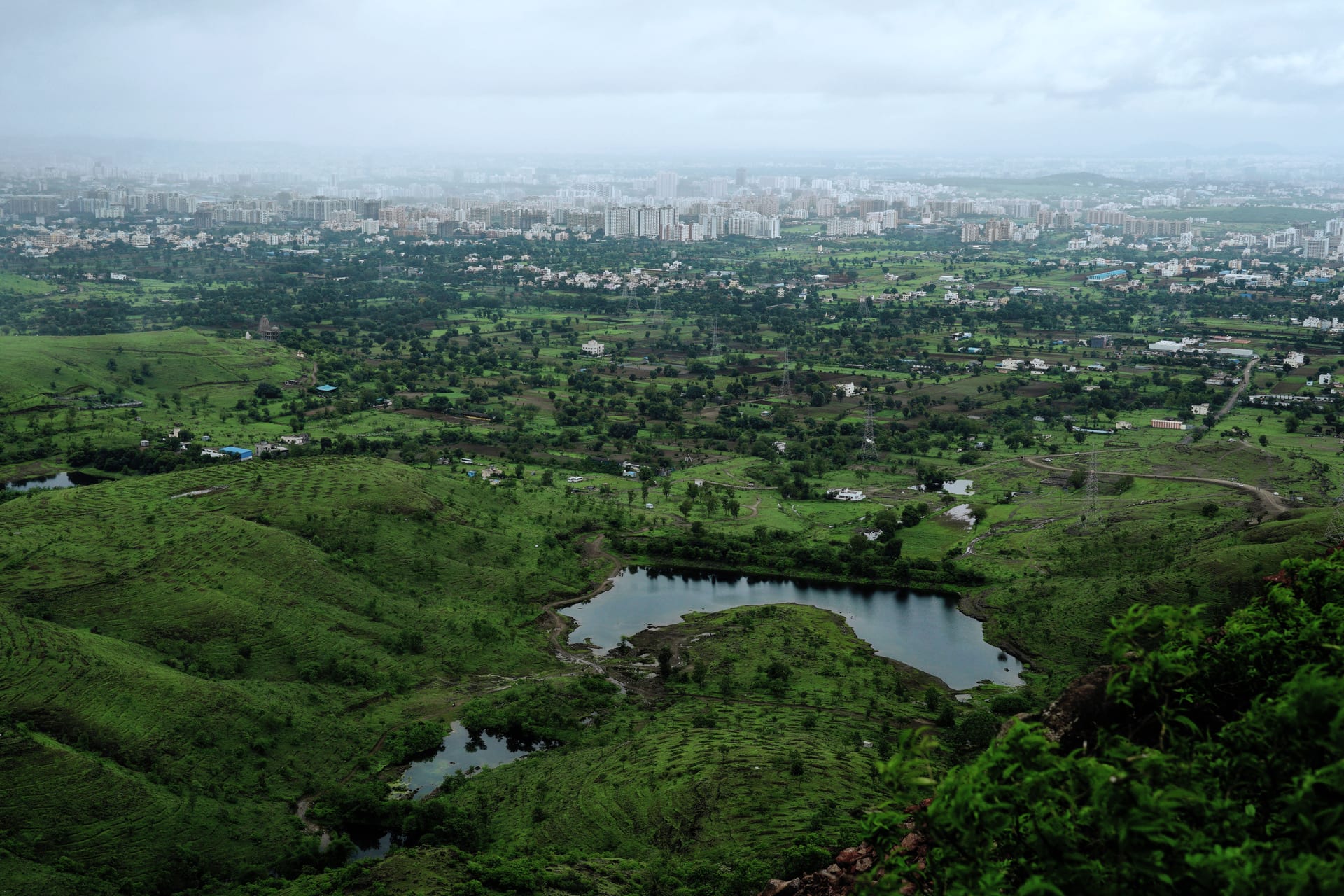
Mumbai is India's financial capital, with an outward-facing pace, intense work culture and a food scene woven through daily life. Pune is a university and IT city with cooler air and a more studious rhythm, though getting around without a car is difficult.
The grey shape is all 283 cities; each row says whether lower or higher is better. Ratings out of 10 are our reviewed estimates; the rest is published data. How we measure
Set how much each area counts. The ranking updates as you go. Climate and values are left out because there is no better or worse there, only your taste.
Leads on money and nature & outdoors; stands out for rent that fits local pay and easier house-hunting.
Narrowly best on city life: 60 vs Pune's 57; stands out for beach & sea and flight connections.
Scores out of 100, averaged from the areas you weighted. For a ranking built around your own situation, take the quiz.
Rent on a new lease, everyday prices and tax.
The year month by month. Whether it suits you is yours to judge.
Solid line: average daytime high. Dashed: night-time low. Point at the chart for any month; point at a city name to shade its range.
How easily you get to water, mountains and green space.
Getting around on foot, food, culture and the feel of the streets.
Crime, how safe people feel, and the care you would get.
Jobs, working culture, schools and raising kids.
Visas, language, paperwork and staying connected.
Where each city sits. There is no right end of these scales.
The tempo is relentless, faster than Bengaluru or Bangkok, and the mixed-use streets keep life within arm's reach. The trade-off is space: flats are cramped, walkability is poor, and the suburbs offer little relief.
Built for cars and scooters far more than for feet. Walkability is poor, footpaths are unreliable and most daily trips assume a vehicle.
Violent crime is low and the homicide rate is among the best in the dataset, on par with major European capitals, which surprises many newcomers. Streets feel reasonably safe by day and after dark by regional standards.
Violent crime is low and the city feels safe by day, with a reputation as one of the more relaxed large Indian cities. Petty theft and night-time caution are about what you would expect at this scale.
Mumbai has a strong career case, with a deep local market, broad industry fit and a dense professional network, while English-language work is widely available. Private hospitals are good and the standard of care in the top tier is solid, with English spoken widely in clinics, which eases things for newcomers.
Pune is a strong place for a locally based career, with broad industry fit, a deep professional network and plenty of English-language work. Private hospitals are capable and English is spoken throughout the medical system, which removes a lot of friction for newcomers.
The food alone justifies the move. Public space is acutely scarce, just Marine Drive and a handful of maidans amid the crush.
Pune is one of the easiest cities anywhere for vegetarians and vegans, with that catered to as standard rather than an afterthought. Pune is tidier than nearby Mumbai, though dust and traffic grime still settle over it.
Mumbai suits someone energized by scale, work ambition and constant cultural activity. Pune offers a calmer technology-and-campus routine, with easier weather but continuing car dependence.
These numbers treat everyone the same. The quiz weighs them by your budget, climate taste, family and work, and ranks all 283 cities for you.