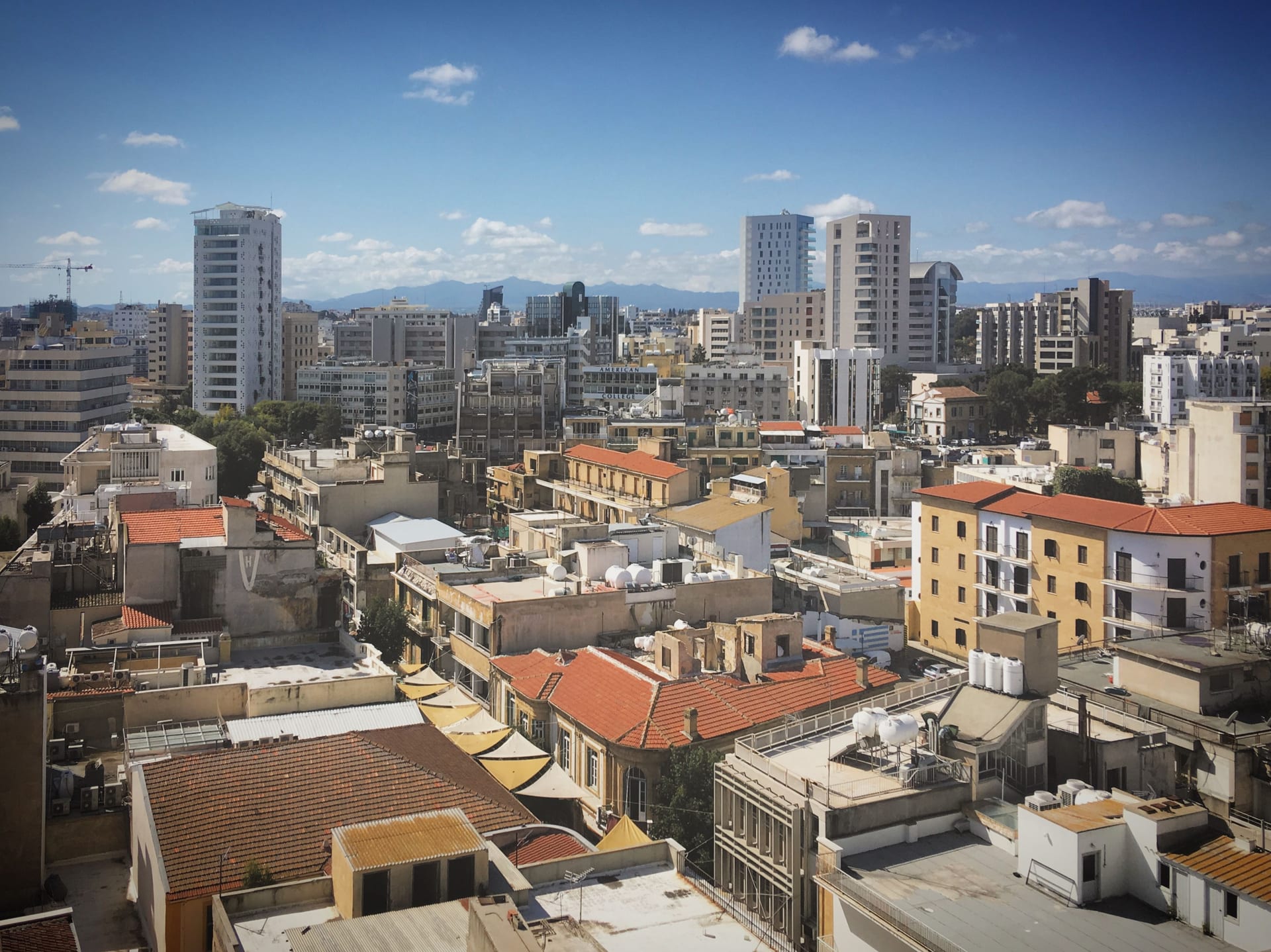
 Cyprus
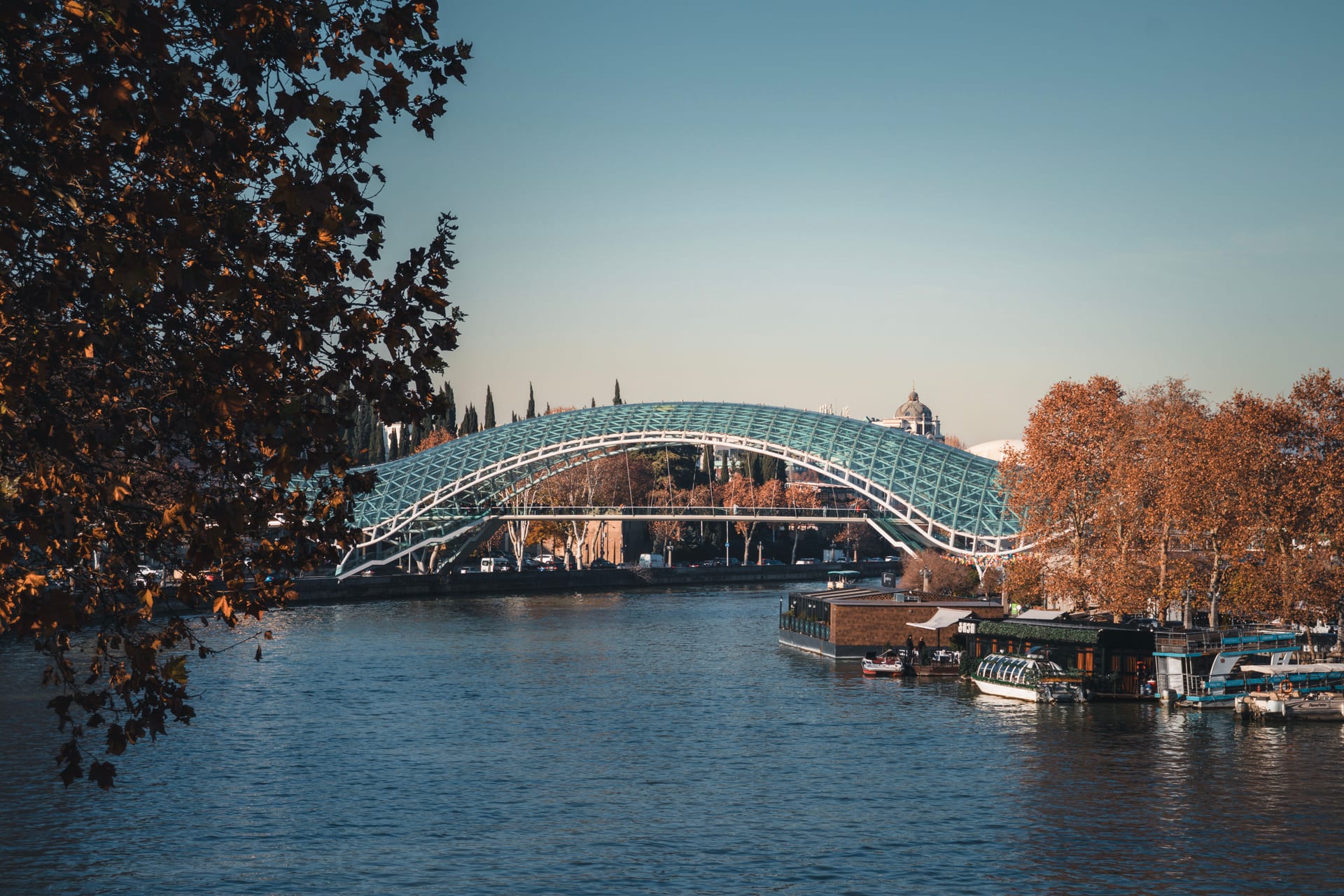
 Georgia
Nicosia makes sense if
- A calmer day-to-day safety profile matters most to you.
- Access to stronger healthcare matters most to you.
- You want the broader career options in this comparison.
Nicosia carries the lighter rent burden on local pay, and it is safer, more stable, and stronger for English-language care and local careers. Tbilisi is culturally livelier, with a walkable old town, strong nightlife, a much lower open-market rent and the stronger affordability score.
The grey shape is all 283 cities; each row says whether lower or higher is better. Ratings out of 10 are our reviewed estimates; the rest is published data. How we measure
Set how much each area counts. The ranking updates as you go. Climate and values are left out because there is no better or worse there, only your taste.
Leads on money, nature & outdoors and city life; stands out for mountains and hiking.
Leads on safety & health and work & family; stands out for political stability and winter comfort.
Scores out of 100, averaged from the areas you weighted. For a ranking built around your own situation, take the quiz.
Rent on a new lease, everyday prices and tax.
The year month by month. Whether it suits you is yours to judge.
Solid line: average daytime high. Dashed: night-time low. Point at the chart for any month; point at a city name to shade its range.
How easily you get to water, mountains and green space.
Getting around on foot, food, culture and the feel of the streets.
Crime, how safe people feel, and the care you would get.
Jobs, working culture, schools and raising kids.
Visas, language, paperwork and staying connected.
Where each city sits. There is no right end of these scales.
The layout is spread out, with moderate walkability and high car dependence. Homes offer reasonable space, but everyday errands rarely knit together into a dense urban rhythm.
Tbilisi is a small, low-rise, fairly spread-out capital rather than a dense metropolis, so the pace stays manageable. The historic core is walkable and full of texture, with sulphur baths, balconied houses, and steep lanes.
Among the safer capitals anywhere, with very little violent crime and a strong sense of ease walking around after dark. Petty crime stays low by Mediterranean standards, better than Athens or Málaga, and the roads are calmer than the regional norm.
Day-to-day, the city feels safe. Violent crime is low, petty theft is modest, and walking around at night is comfortable for most people, on par with the calmer European capitals.
Nicosia's local market is small, but it has a useful advantage for international workers. Doctor numbers per head run thin.
Tbilisi's local market is small and thin, with high unemployment, limited English-language roles, and modest industry depth. Healthcare is workable rather than excellent.
Cypriot food and a strong, distinct local culture anchor daily life, and there is a real international crowd for a city this size, comparable to Málaga. Nicosia is a divided capital with mixed upkeep, the buffer zone and edges visibly worn.
Georgian food and hospitality are the city's great strength, and few places match the depth of its local culture, from supra feasts to natural wine made in clay qvevri. Its public life lives in the old-town lanes, the riverfront, restored squares and sulphur baths.
Choose Nicosia for political stability, English access, healthcare, a lighter rent burden, and the stronger local work base. Choose Tbilisi for its Georgian food and wine, more animated public realm, and lower listed rent, especially with remote income and tolerance for regional uncertainty.
These numbers treat everyone the same. The quiz weighs them by your budget, climate taste, family and work, and ranks all 283 cities for you.