 France
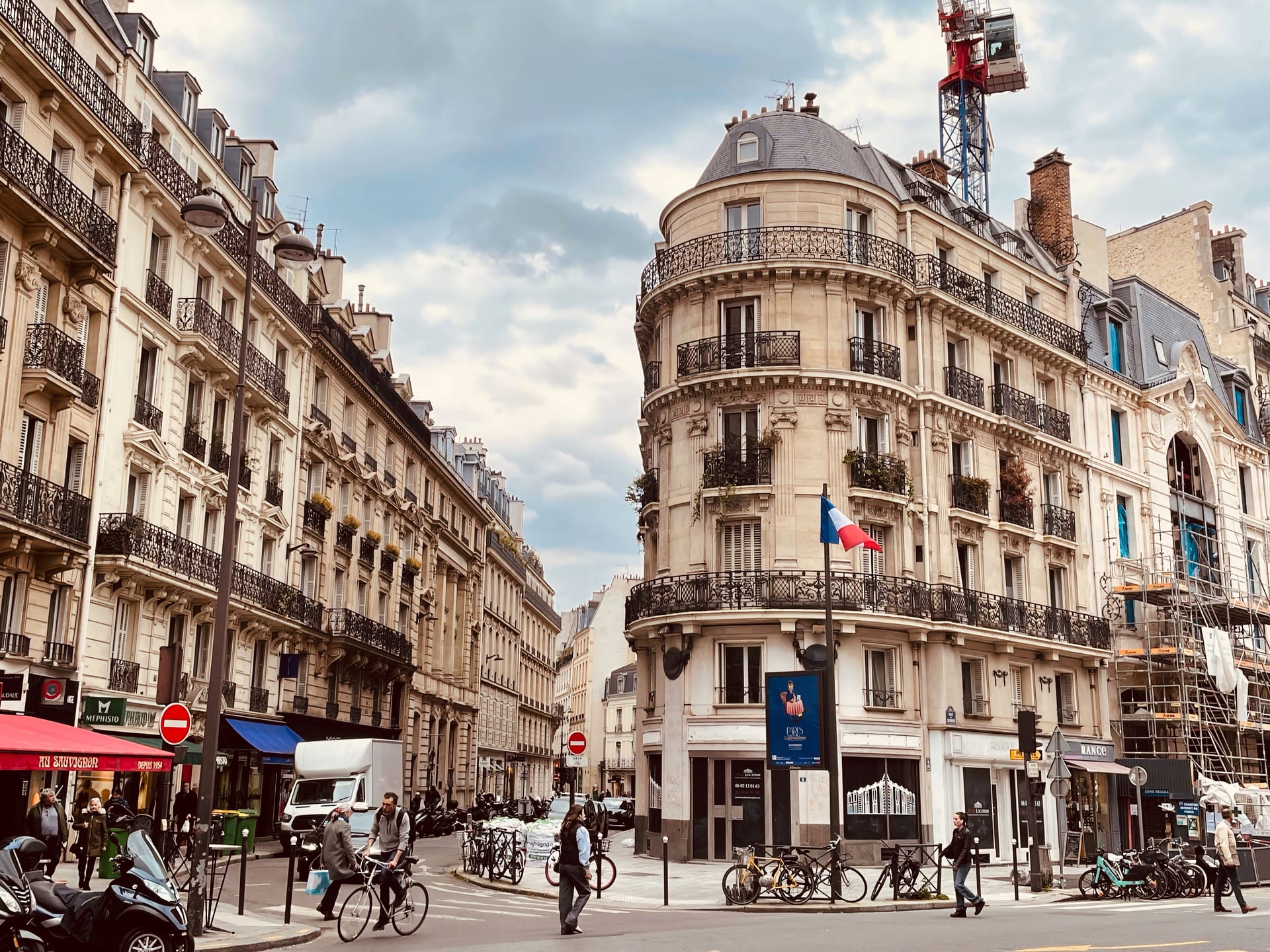
Paris makes sense if
- Access to stronger healthcare matters most to you.
- You want the broader career options in this comparison.
- You want the deeper culture and food scene.
Paris and Toulouse share strong French healthcare, but Toulouse is safer and far cheaper while Paris leads decisively on career breadth and museums; their public-life scores are nearly level.
The grey shape is all 283 cities; each row says whether lower or higher is better. Ratings out of 10 are our reviewed estimates; the rest is published data. How we measure
Set how much each area counts. The ranking updates as you go. Climate and values are left out because there is no better or worse there, only your taste.
Leads on city life, work & family and moving & settling in; stands out for flight connections and startup & tech scene.
Leads on money and nature & outdoors; stands out for mountains and easier house-hunting.
Scores out of 100, averaged from the areas you weighted. For a ranking built around your own situation, take the quiz.
Rent on a new lease, everyday prices and tax.
The year month by month. Whether it suits you is yours to judge.
Solid line: average daytime high. Dashed: night-time low. Point at the chart for any month; point at a city name to shade its range.
How easily you get to water, mountains and green space.
Getting around on foot, food, culture and the feel of the streets.
Crime, how safe people feel, and the care you would get.
Jobs, working culture, schools and raising kids.
Visas, language, paperwork and staying connected.
Where each city sits. There is no right end of these scales.
The neighbourhoods have real character. The catch is space, with apartments running small even by the standards of Lyon or Berlin.
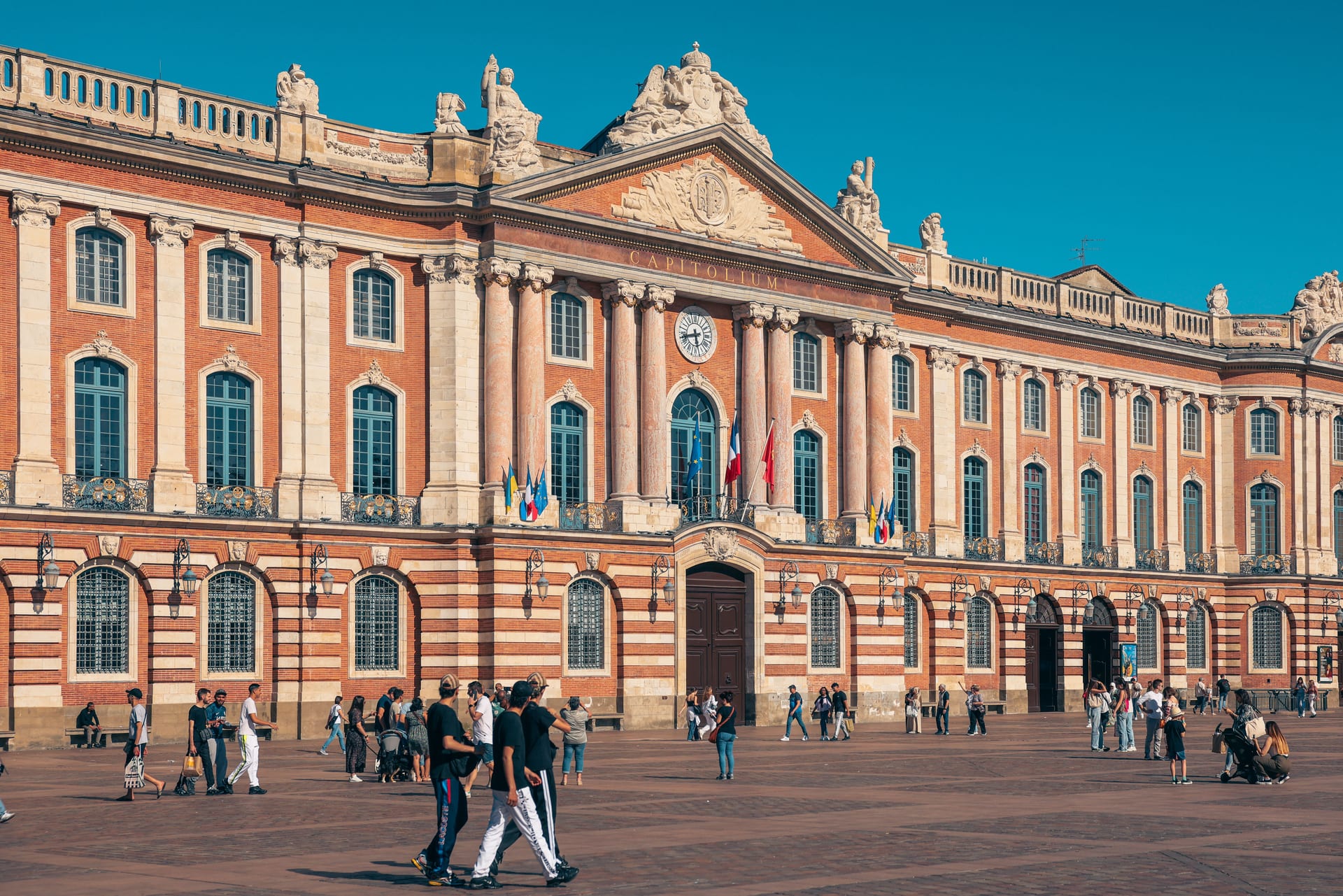
A mid-sized city that feels human-scaled, with a walkable old centre of pink-brick streets and solid, livable neighbourhoods. Density is moderate and homes tend to come with more room than a Parisian flat.
Serious violent crime is low and the roads are relatively safe. Recorded crime per resident sits in the middle of the large French cities we cover, below Lyon and Bordeaux on both violence and theft, but pickpocketing is a genuine daily nuisance and the feel after dark is decent rather than reassuring.
Toulouse is a safe place to settle by most measures, with low serious-crime levels and strong road safety. Walking after dark feels comfortable in most areas.
Paris has a deep, broad job market, strong industry coverage, and a dense professional network. The medical care is excellent and out-of-pocket costs stay low once a resident is in the system, with strong hospitals and reliable emergency care.
Toulouse has a strong local market built around high-value industries, with a sizeable technology ecosystem and professional networks that are useful without being deep. Care quality is high and largely free at the point of use, with reliable hospitals and emergency services and very low out-of-pocket exposure.
The museum and gallery scene is essentially unmatched, the restaurants and cafes set a global standard, and the music and art life runs deep across every register. The public realm, though, is canonical: the boulevards, the quais, the gardens and squares that define the city.
A lively southern food and cafe culture, anchored in hearty regional cooking like cassoulet and the wider Occitan table, with a strong sense of local identity from a big student population. Toulouse, the pink-brick city, keeps decent upkeep though grime gathers in spots.
Choose Paris for international careers, museums and restaurant depth, accepting its much heavier housing burden. Toulouse suits a lower-cost, safer base with aerospace work, cassoulet and a walkable brick centre, though its job market is narrower.
These numbers treat everyone the same. The quiz weighs them by your budget, climate taste, family and work, and ranks all 283 cities for you.