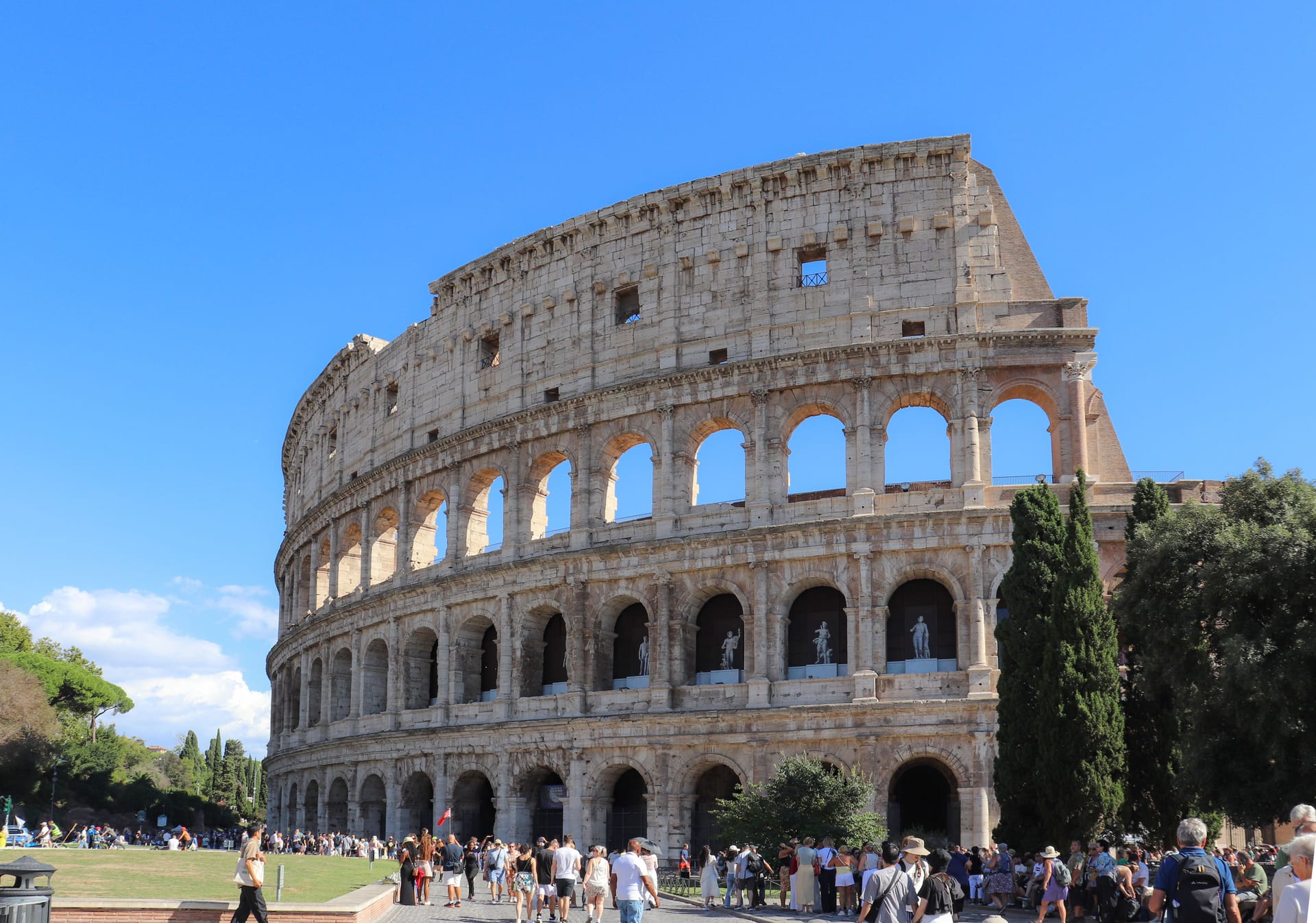
 Italy
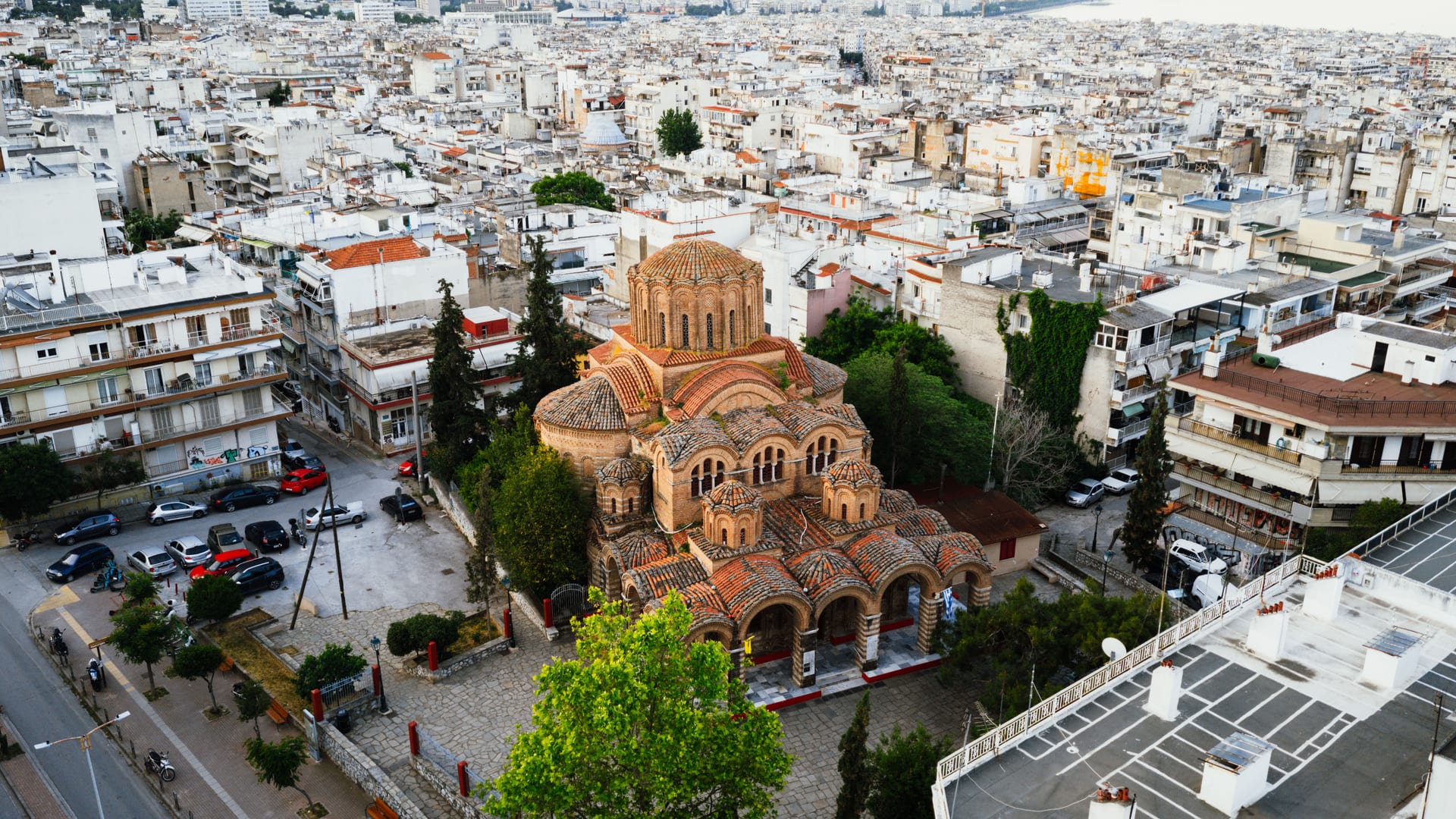
 Greece
Rome makes sense if
- A calmer day-to-day safety profile matters most to you.
- You want the broader career options in this comparison.
- You want the deeper culture and food scene.
Rome is a culturally dense capital with warm weather and an atmosphere-rich routine, but local work options are narrow. Thessaloniki has warm, bright days too, while its limited job market and low local pay make portable income useful.
The grey shape is all 283 cities; each row says whether lower or higher is better. Ratings out of 10 are our reviewed estimates; the rest is published data. How we measure
Set how much each area counts. The ranking updates as you go. Climate and values are left out because there is no better or worse there, only your taste.
Leads on nature & outdoors, city life and work & family; stands out for train connections and beach & sea.
Tied best on money with Rome, both 68; stands out for doctors and easier house-hunting.
Scores out of 100, averaged from the areas you weighted. For a ranking built around your own situation, take the quiz.
Rent on a new lease, everyday prices and tax.
The year month by month. Whether it suits you is yours to judge.
Solid line: average daytime high. Dashed: night-time low. Point at the chart for any month; point at a city name to shade its range.
How easily you get to water, mountains and green space.
Getting around on foot, food, culture and the feel of the streets.
Crime, how safe people feel, and the care you would get.
Jobs, working culture, schools and raising kids.
Visas, language, paperwork and staying connected.
Where each city sits. There is no right end of these scales.
The historic core is walkable and densely mixed, with shops, homes, and cafes layered together and strong neighbourhood character street to street. The wider city sprawls low and loose rather than packing in like Madrid, and flats tend to run small.
A walkable, dense city built along the waterfront, where most errands happen on foot and the car stays parked more than in many Greek towns. The pace is unhurried, and neighbourhoods blend homes, shops and tavernas at street level.
Serious violent crime is very low, and the roads are safer than the Italian driving stereotype would suggest. Where Rome stings is petty theft: pickpocketing around tourist sites and transit hubs is a daily reality and worse than in Lisbon.
Violent crime is rare and the homicide rate is very low, on par with Athens and most of Western Europe, and the roads are comparatively safe. Pickpocketing and other petty theft are the more realistic concern, common enough in busy areas.
Rome's local market is narrow, with unemployment elevated and limited depth across professional, English-language, and startup roles. The public system delivers solid mid-tier care with reasonable hospital access and low out-of-pocket exposure.
Thessaloniki's career picture is narrow. Doctors are plentiful, with availability that outstrips much of Europe, and English is spoken often enough in clinics to manage.
Few cities match Rome for museums, monuments, and the sheer density of things to see, and the local food culture is among the deepest anywhere. The piazzas, fountains and ancient open spaces are great if worn.
Food is the headline. What it offers is cheapness: a student city where seafront life, tavernas and festivals cost almost nothing.
Rome offers a larger cultural setting and more varied city life if work is secured. Thessaloniki is the simpler, sunnier base for someone earning from outside the local market and seeking a slower pace.
These numbers treat everyone the same. The quiz weighs them by your budget, climate taste, family and work, and ranks all 283 cities for you.