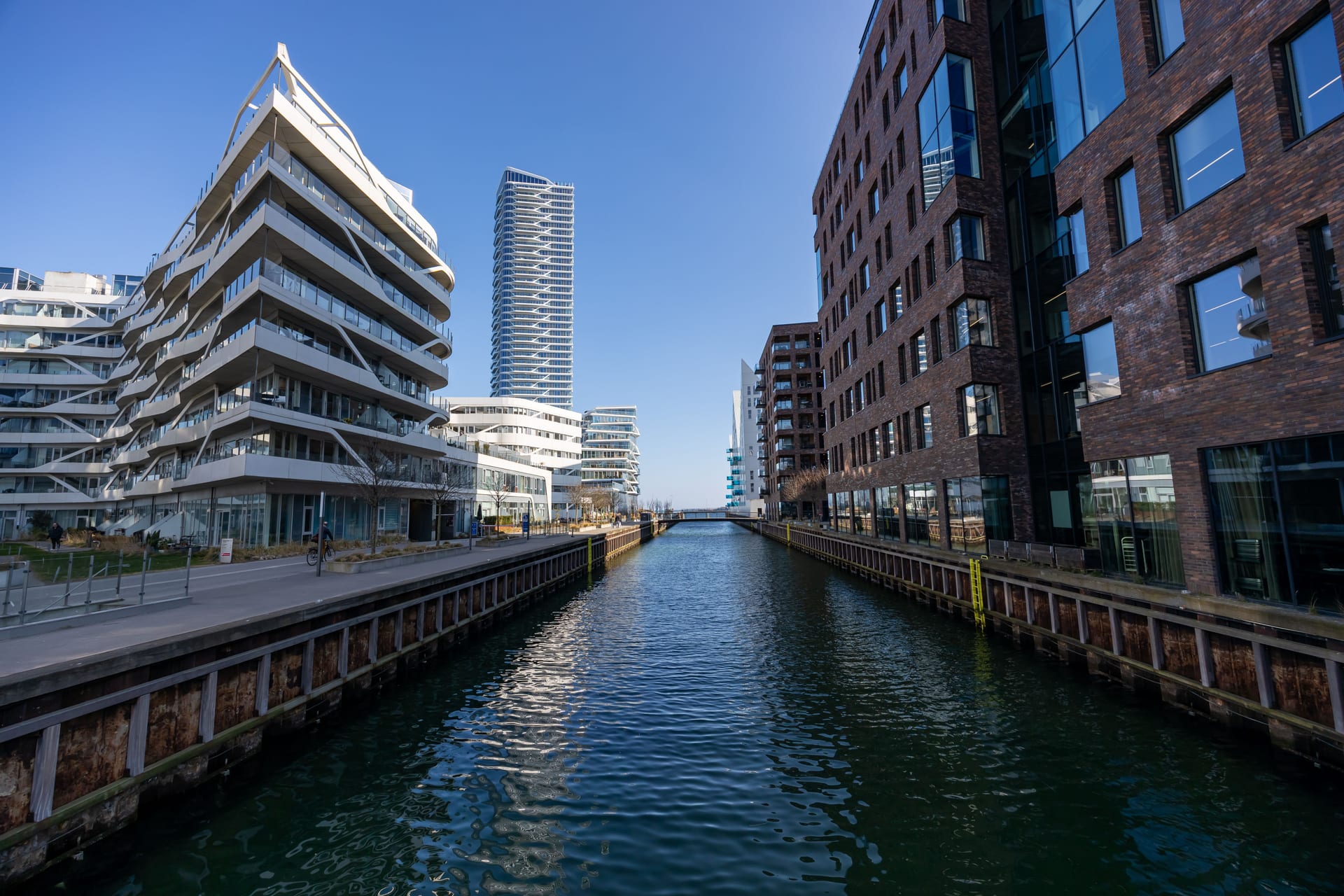
 Denmark
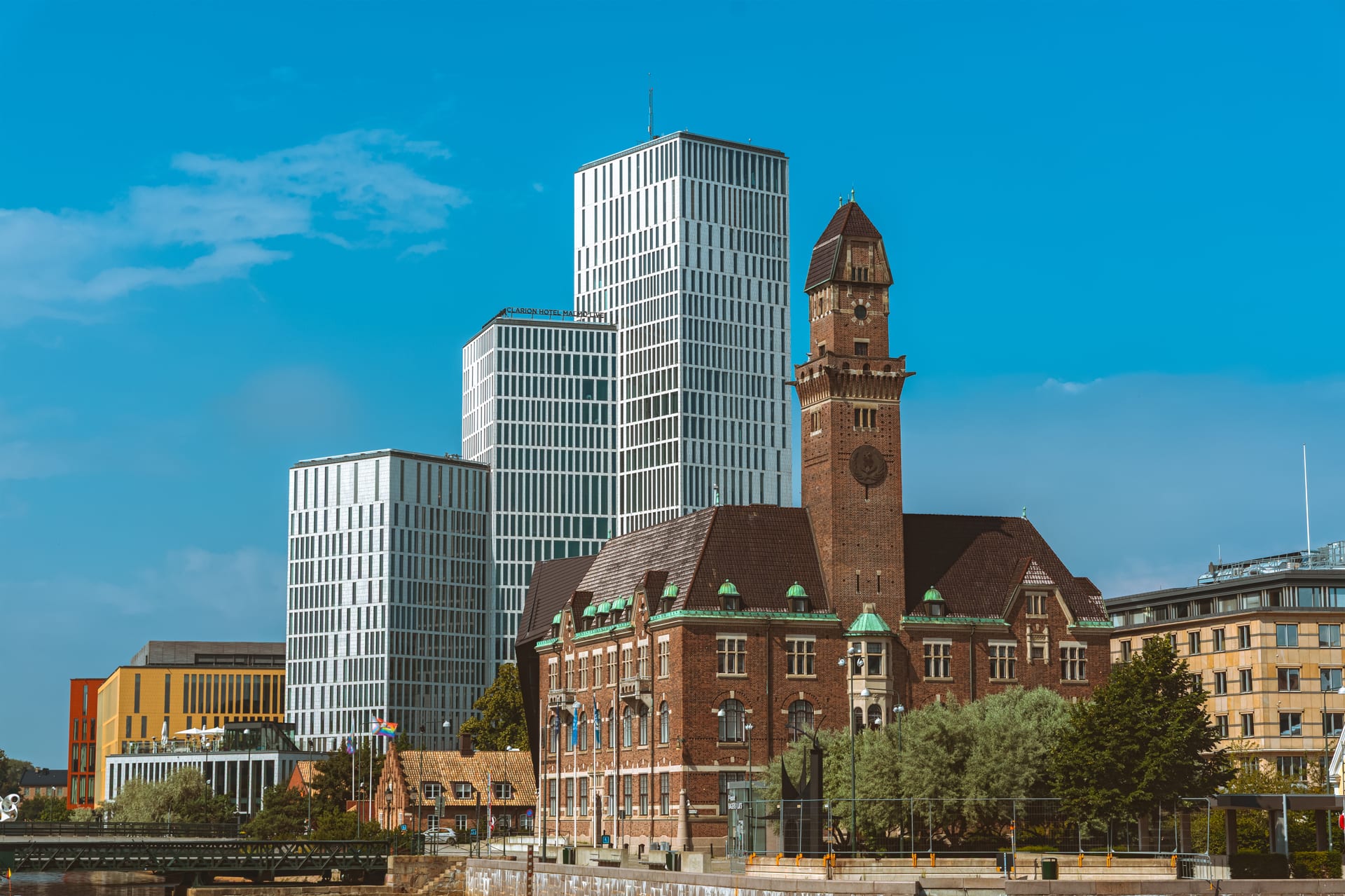
 Sweden
Aarhus makes sense if
- A calmer day-to-day safety profile matters most to you.
- Access to stronger healthcare matters most to you.
- You want the broader career options in this comparison.
Aarhus revolves around its university, harbour baths and nearby beaches, giving a compact city a strong student presence. Malmö is also easy to cycle around, with the Øresund and cross-border links close by. Malmö's lighter housing burden is a practical draw; Aarhus offers a calmer local rhythm and stronger public services.
The grey shape is all 283 cities; each row says whether lower or higher is better. Ratings out of 10 are our reviewed estimates; the rest is published data. How we measure
Set how much each area counts. The ranking updates as you go. Climate and values are left out because there is no better or worse there, only your taste.
Leads on nature & outdoors, city life, safety & health and work & family; stands out for safe at night and broadband speed.
Leads on money and moving & settling in; stands out for flight connections and openness to newcomers.
Scores out of 100, averaged from the areas you weighted. For a ranking built around your own situation, take the quiz.
Rent on a new lease, everyday prices and tax.
The year month by month. Whether it suits you is yours to judge.
Solid line: average daytime high. Dashed: night-time low. Point at the chart for any month; point at a city name to shade its range.
How easily you get to water, mountains and green space.
Getting around on foot, food, culture and the feel of the streets.
Crime, how safe people feel, and the care you would get.
Jobs, working culture, schools and raising kids.
Visas, language, paperwork and staying connected.
Where each city sits. There is no right end of these scales.
Aarhus keeps shops, homes and university life close together around its centre. Walking and cycling work well for daily trips, while the suburbs offer more space.
Housing space is reasonable and neighbourhoods are usable beyond the centre. The trade-off is a slow city tempo rather than metropolitan buzz.
Violent crime is rare, streets feel secure after dark, and traffic is calm and well managed for cyclists and pedestrians. Political stability is rock solid.
Day-to-day perceived safety, petty crime and night-time comfort are solidly fine rather than spotless, with the city carrying a reputation in Sweden that its actual figures soften. Political stability is reassuring.
A solid regional job market built around the university, healthcare, and a respectable tech and engineering base, but smaller and less varied than Copenhagen or the bigger European hubs. Public healthcare is excellent and essentially free at the point of use, with reliable hospitals and emergency care and very little cost exposure.
Malmö offers a workable market, but it is not especially deep. Care quality is high and out-of-pocket exposure is low, the usual Nordic public-system strengths.
Nightlife is modest and low-key, with fewer options than in major European nightlife centres such as Berlin. Aarhus is tidy and well-kept in the Danish manner, with barely a stray wrapper on its streets.
A walkable food and cafe scene with notably good vegetarian and vegan options and a steady stream of museums and events. Malmo is mostly clean, with a few rougher, more diverse districts breaking the pattern.
Aarhus fits someone who wants a self-contained university city with beaches and strong services. Malmö can make more sense if a lighter housing burden and regional connections matter most. The two routines are close in scale, so visit the neighbourhoods you would actually use before choosing.
These numbers treat everyone the same. The quiz weighs them by your budget, climate taste, family and work, and ranks all 283 cities for you.