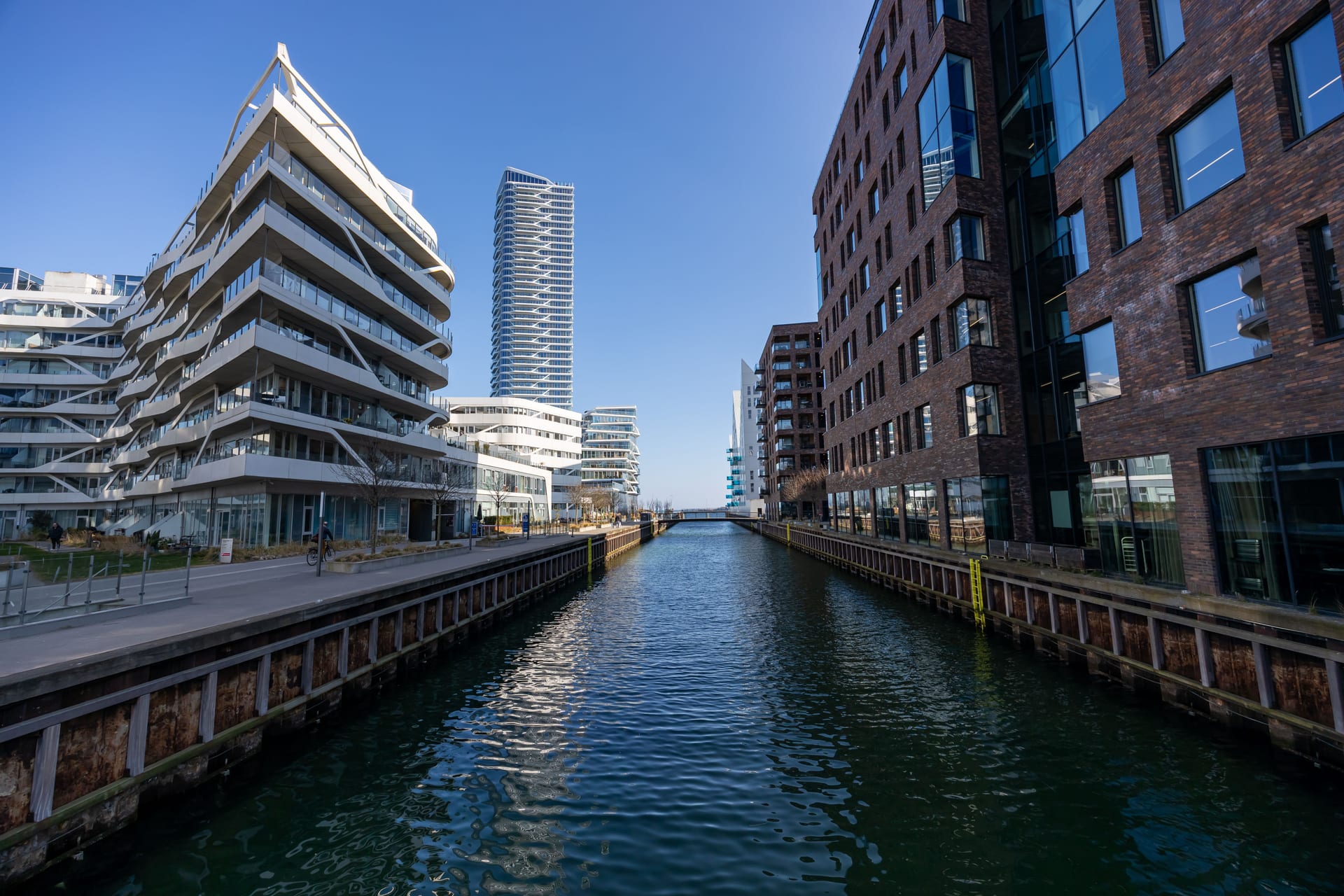
 Denmark
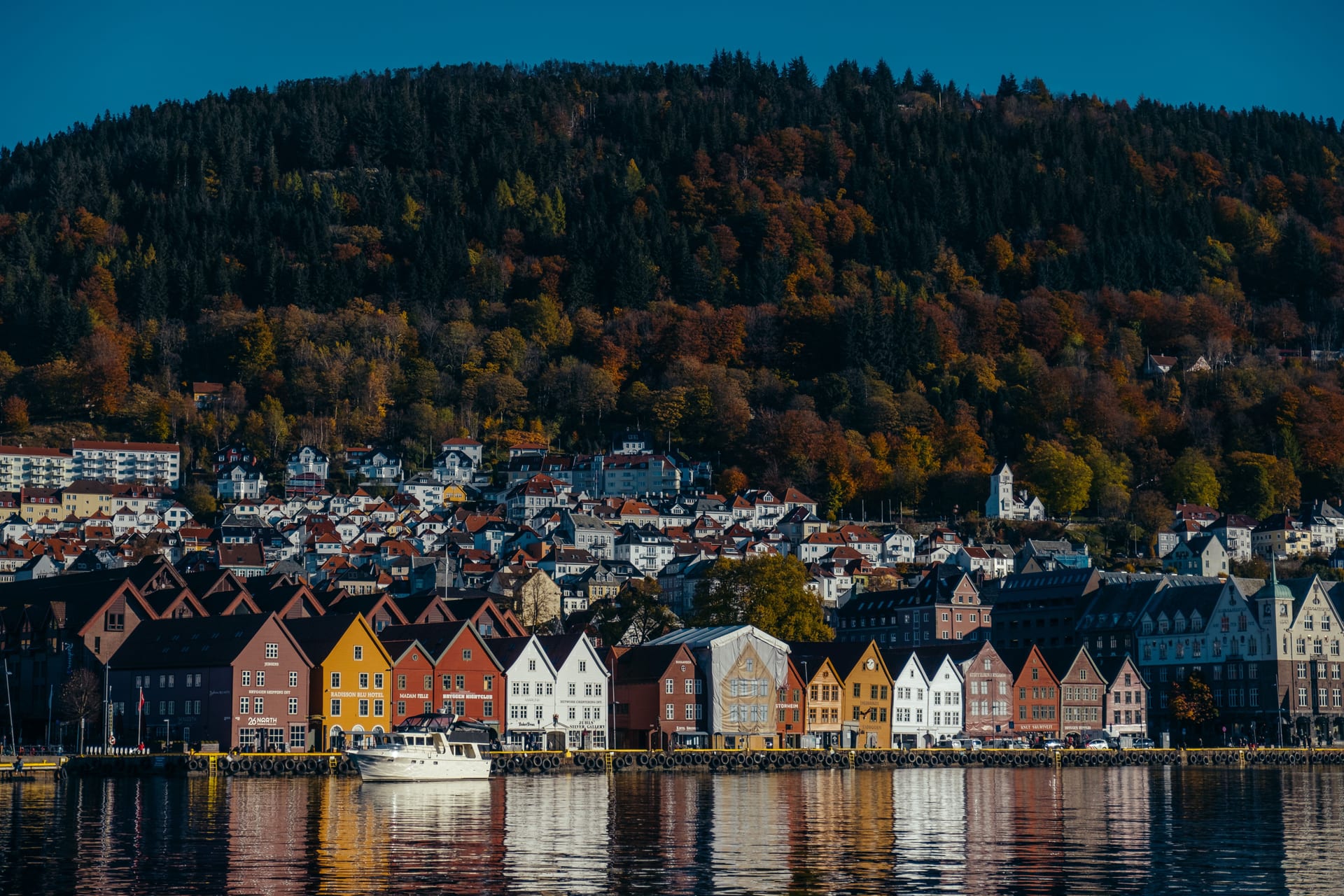
 Norway
Aarhus makes sense if
- Access to stronger healthcare matters most to you.
- You want the broader career options in this comparison.
- You want the deeper culture and food scene.
Aarhus is a compact university city where the coast, harbour baths and student arts scene fit a calmer daily rhythm. Bergen trades that bikeable Danish ease for mountains rising from town, fjord walks and a much wetter year, so the choice turns on whether urban convenience or wild scenery belongs closer to home.
The grey shape is all 283 cities; each row says whether lower or higher is better. Ratings out of 10 are our reviewed estimates; the rest is published data. How we measure
Set how much each area counts. The ranking updates as you go. Climate and values are left out because there is no better or worse there, only your taste.
Leads on nature & outdoors; stands out for mountains and hiking.
Leads on city life and work & family; stands out for cycling infrastructure and broadband speed.
Scores out of 100, averaged from the areas you weighted. For a ranking built around your own situation, take the quiz.
Rent on a new lease, everyday prices and tax.
The year month by month. Whether it suits you is yours to judge.
Solid line: average daytime high. Dashed: night-time low. Point at the chart for any month; point at a city name to shade its range.
How easily you get to water, mountains and green space.
Getting around on foot, food, culture and the feel of the streets.
Crime, how safe people feel, and the care you would get.
Jobs, working culture, schools and raising kids.
Visas, language, paperwork and staying connected.
Where each city sits. There is no right end of these scales.
Aarhus keeps shops, homes and university life close together around its centre. Walking and cycling work well for daily trips, while the suburbs offer more space.
Bergen's walkable centre puts homes and shops between the harbour and the hills. Beyond the core, the built-up area spreads thinly, making a car more useful.
Violent crime is rare, streets feel secure after dark, and traffic is calm and well managed for cyclists and pedestrians. Political stability is rock solid.
Violent and petty crime are rare, the streets feel secure after dark, and traffic safety and political stability are strong. Daily trips rarely require much thought about personal safety.
A solid regional job market built around the university, healthcare, and a respectable tech and engineering base, but smaller and less varied than Copenhagen or the bigger European hubs. Public healthcare is excellent and essentially free at the point of use, with reliable hospitals and emergency care and very little cost exposure.
Bergen has a steady but specialised market, with reasonable openings in its established industries and low unemployment. Care quality is excellent and broadly free at the point of use, with reliable emergency services and staff who switch to English readily.
Nightlife is modest and low-key, with fewer options than in major European nightlife centres such as Berlin. Aarhus is tidy and well-kept in the Danish manner, with barely a stray wrapper on its streets.
The cafe scene is genuinely good and the music and arts life punches above the city's size, but the broader cultural offer is modest. Bergen is clean, its colourful clapboard streets rinsed regularly by the rain.
Choose Aarhus for an easier everyday routine, a wider job mix and strong public services in a compact setting. Choose Bergen when mountain trails and fjord access are worth a rainier climate and a more specialised job market. Both are small Nordic cities; Bergen makes the outdoors the main event.
These numbers treat everyone the same. The quiz weighs them by your budget, climate taste, family and work, and ranks all 283 cities for you.