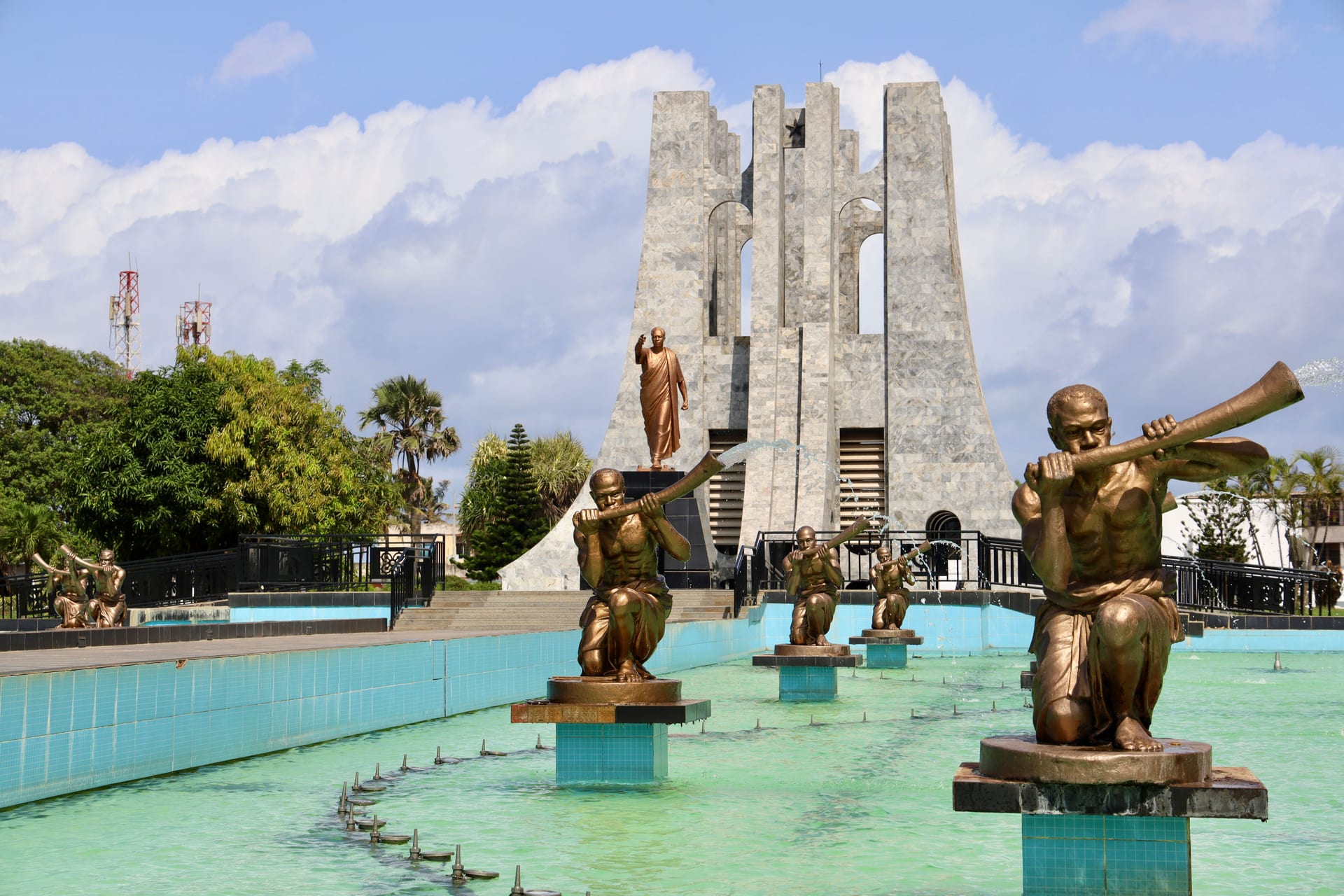
 Ghana
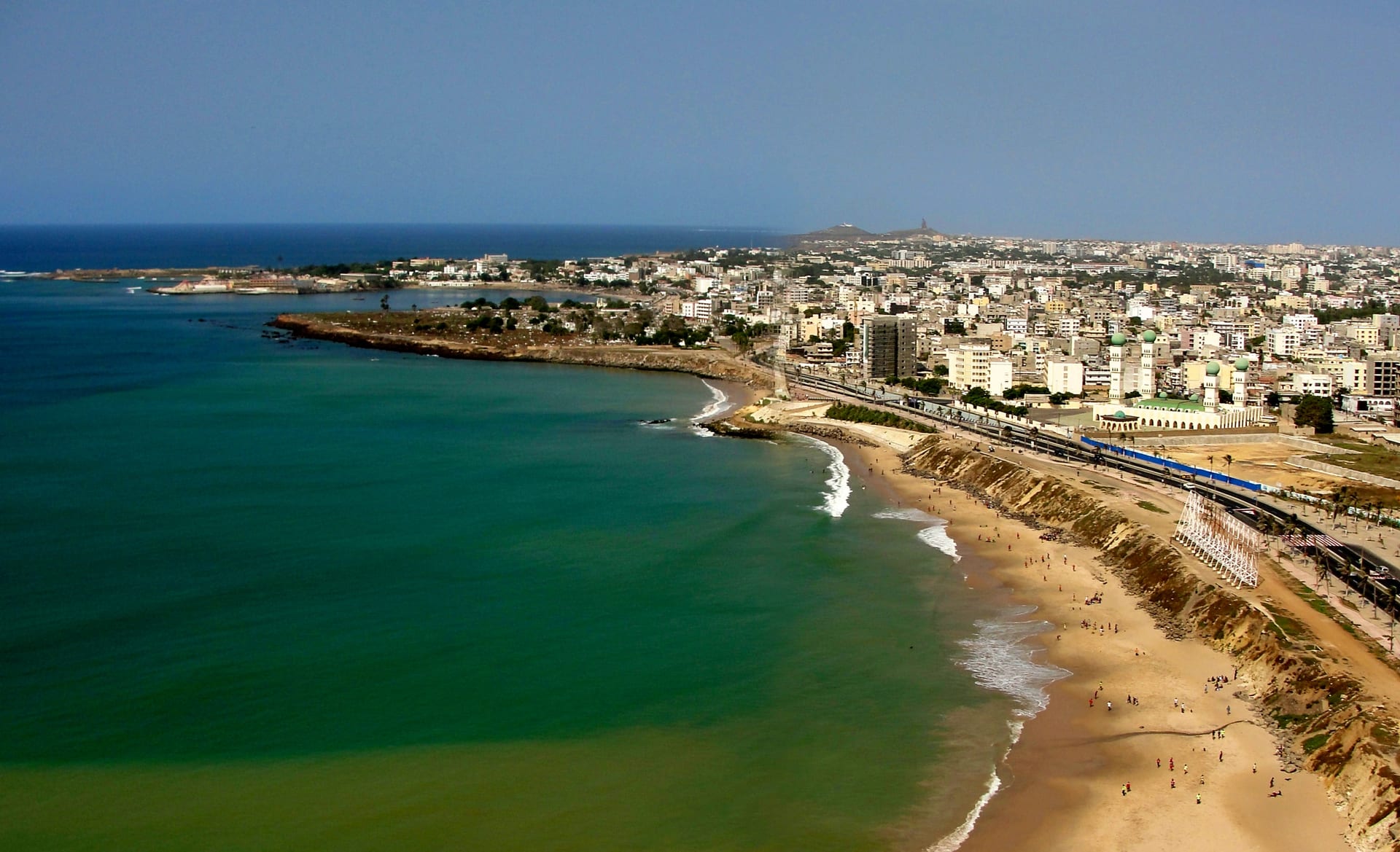
 Senegal
Accra makes sense if
- Access to stronger healthcare matters most to you.
- You want the broader career options in this comparison.
- You want the deeper culture and food scene.
Accra is Ghana’s English-speaking coastal capital, known for warm welcomes and a relaxed feel, though daily logistics call for patience. Dakar has a longer bright season and mild winters, but local professional options are narrow and English-language work is limited.
The grey shape is all 283 cities; each row says whether lower or higher is better. Ratings out of 10 are our reviewed estimates; the rest is published data. How we measure
Set how much each area counts. The ranking updates as you go. Climate and values are left out because there is no better or worse there, only your taste.
Narrowly best on nature & outdoors: 33 vs Dakar's 30; stands out for english-speaking care and a smaller language barrier.
Leads on city life; stands out for public spaces and bright days.
Scores out of 100, averaged from the areas you weighted. For a ranking built around your own situation, take the quiz.
Rent on a new lease, everyday prices and tax.
The year month by month. Whether it suits you is yours to judge.
Solid line: average daytime high. Dashed: night-time low. Point at the chart for any month; point at a city name to shade its range.
How easily you get to water, mountains and green space.
Getting around on foot, food, culture and the feel of the streets.
Crime, how safe people feel, and the care you would get.
Jobs, working culture, schools and raising kids.
Visas, language, paperwork and staying connected.
Where each city sits. There is no right end of these scales.
Accra sprawls low and wide, built around cars rather than feet, so walkability is poor and getting around usually means a vehicle. Some neighbourhoods are pleasant and roomy, with more housing space than denser capitals, but the overall fabric is loose and traffic-shaped.
A dense, sprawling, car-leaning city that grew faster than its planning could keep up. Walkability is limited and getting around usually means a taxi or a crowded minibus rather than a stroll.
Serious violent crime is rare, and Accra has a reputation as one of the steadier capitals in the region, with relatively stable politics. The everyday concerns are pettier: opportunistic theft and chaotic roads, where traffic safety is genuinely weak.
Daily caution still matters: petty theft is a real concern, walking after dark is less comfortable, and traffic is hazardous. Political stability is another weaker point.
Accra is well placed for English-language work, but its overall market remains shallow. Medical care is the city's soft spot, with limited specialist depth, strained hospital capacity, and few doctors relative to the population.
Dakar's local career market is narrow, with limited industry breadth, professional networks, and startup depth. Hospital access and overall medical quality are limited, specialist care is hard to find, and emergency response is unreliable.
Local culture is strong and proudly worn, with a lively music and arts scene and good nightlife. Accra is dense and grubby, open drains and litter the norm, with little built public space beyond a few seafront stretches and plazas in a mostly car-bound city.
Where Dakar genuinely shines. Dakar is dusty and unevenly kept, litter blowing along the coast, but the Corniche promenade and a handful of lively squares give the ocean front real presence.
Accra is easier for newcomers who want to work and socialise in English, especially if they have outside income. Dakar is a better fit for someone seeking a bright, warm capital with a distinct West African setting and who can manage a smaller French-oriented job market.
These numbers treat everyone the same. The quiz weighs them by your budget, climate taste, family and work, and ranks all 283 cities for you.