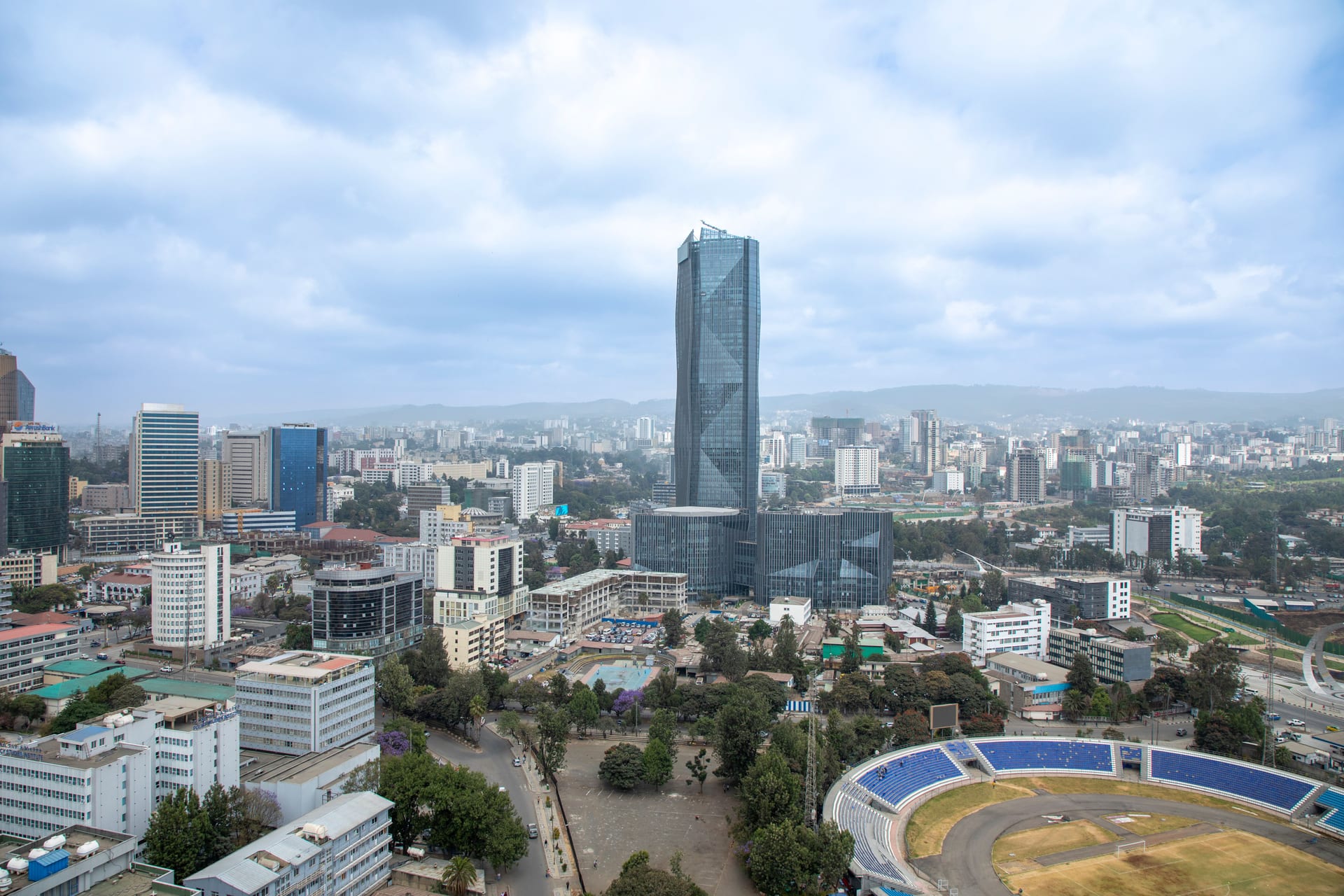
 Ethiopia
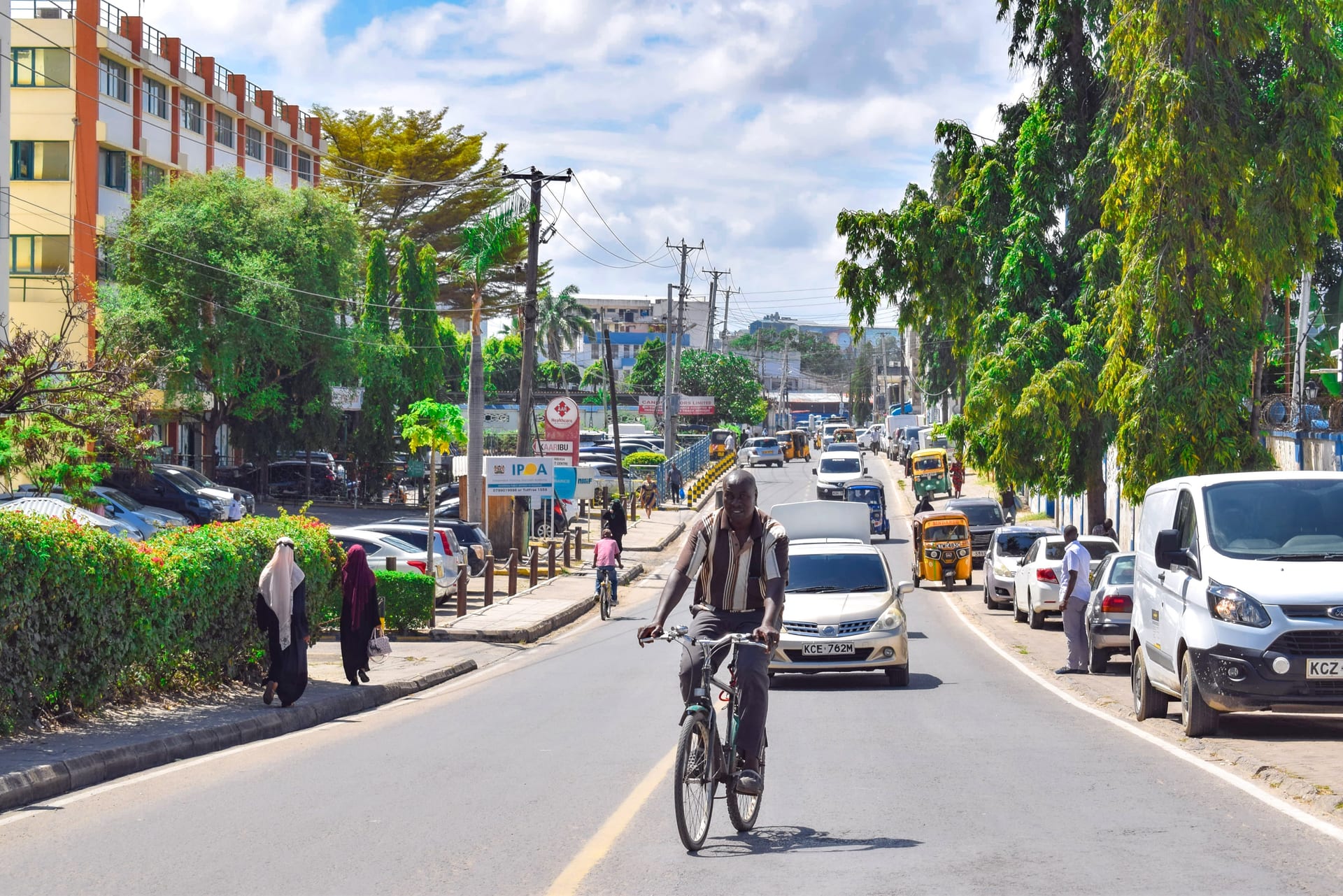
 Kenya
Addis Ababa makes sense if
- You want the easier housing and budget equation in this comparison.
- A calmer day-to-day safety profile matters most to you.
- You want the broader career options in this comparison.
Addis Ababa is a high-altitude capital with a mild climate and diplomatic importance, though transport and utilities can be unreliable. Mombasa offers a tropical coastal setting and year-round warmth, but frequent grey, muggy weather and limited local pay affect the practical fit.
The grey shape is all 283 cities; each row says whether lower or higher is better. Ratings out of 10 are our reviewed estimates; the rest is published data. How we measure
Set how much each area counts. The ranking updates as you go. Climate and values are left out because there is no better or worse there, only your taste.
Leads on city life and moving & settling in; stands out for beach & sea and a smaller language barrier.
Leads on nature & outdoors; stands out for fewer muggy days and mountains.
Scores out of 100, averaged from the areas you weighted. For a ranking built around your own situation, take the quiz.
Rent on a new lease, everyday prices and tax.
The year month by month. Whether it suits you is yours to judge.
Solid line: average daytime high. Dashed: night-time low. Point at the chart for any month; point at a city name to shade its range.
How easily you get to water, mountains and green space.
Getting around on foot, food, culture and the feel of the streets.
Crime, how safe people feel, and the care you would get.
Jobs, working culture, schools and raising kids.
Visas, language, paperwork and staying connected.
Where each city sits. There is no right end of these scales.
Addis sprawls low and wide rather than rising into a dense core, and getting around relies heavily on cars and minibuses. Walkability is patchy, sidewalks unreliable, and many neighbourhoods feel like works in progress.
Getting around mostly means a car or a matatu, since walkability is limited and footpaths patchy. Neighbourhood quality is middling and the layout sprawls rather than concentrates.
Safety is a serious consideration. Traffic is another major hazard, and political stability is exceptionally weak, so risk is not limited to street crime.
The picture is mixed. Serious violent crime is comparatively rare for the region, well below Cape Town's levels, but petty theft is common and walking around after dark calls for caution.
Local prospects are narrow, and local pay is very low. Healthcare is the city's weak spot.
The local career market is narrow, with limited industry depth, weak professional networks, and little startup activity. Healthcare is one of Mombasa's real weak spots.
Ethiopian food and the coffee ceremony are part of daily life, vegetarian and fasting menus are everywhere, and the cafe culture runs deep in the country that gave the world coffee. Addis runs on dust and scaffolding, upkeep patchy across a city in permanent construction, with public space limited to a few new boulevards and squares in a car-dependent grid.
Mombasa's strength is its own Swahili coastal culture, a distinct blend of African, Arab and Indian influence that runs deep in the food and the old town. Mombasa is coastal and humid, its old town atmospheric but worn, with litter common and shared space mostly the seafront and narrow Swahili lanes.
Mombasa appeals to people who want a warm coastal routine and can bring income from elsewhere. Addis Ababa is more suitable for those drawn to an international institutional centre and cooler highland conditions, while accepting a less dependable urban infrastructure.
These numbers treat everyone the same. The quiz weighs them by your budget, climate taste, family and work, and ranks all 283 cities for you.