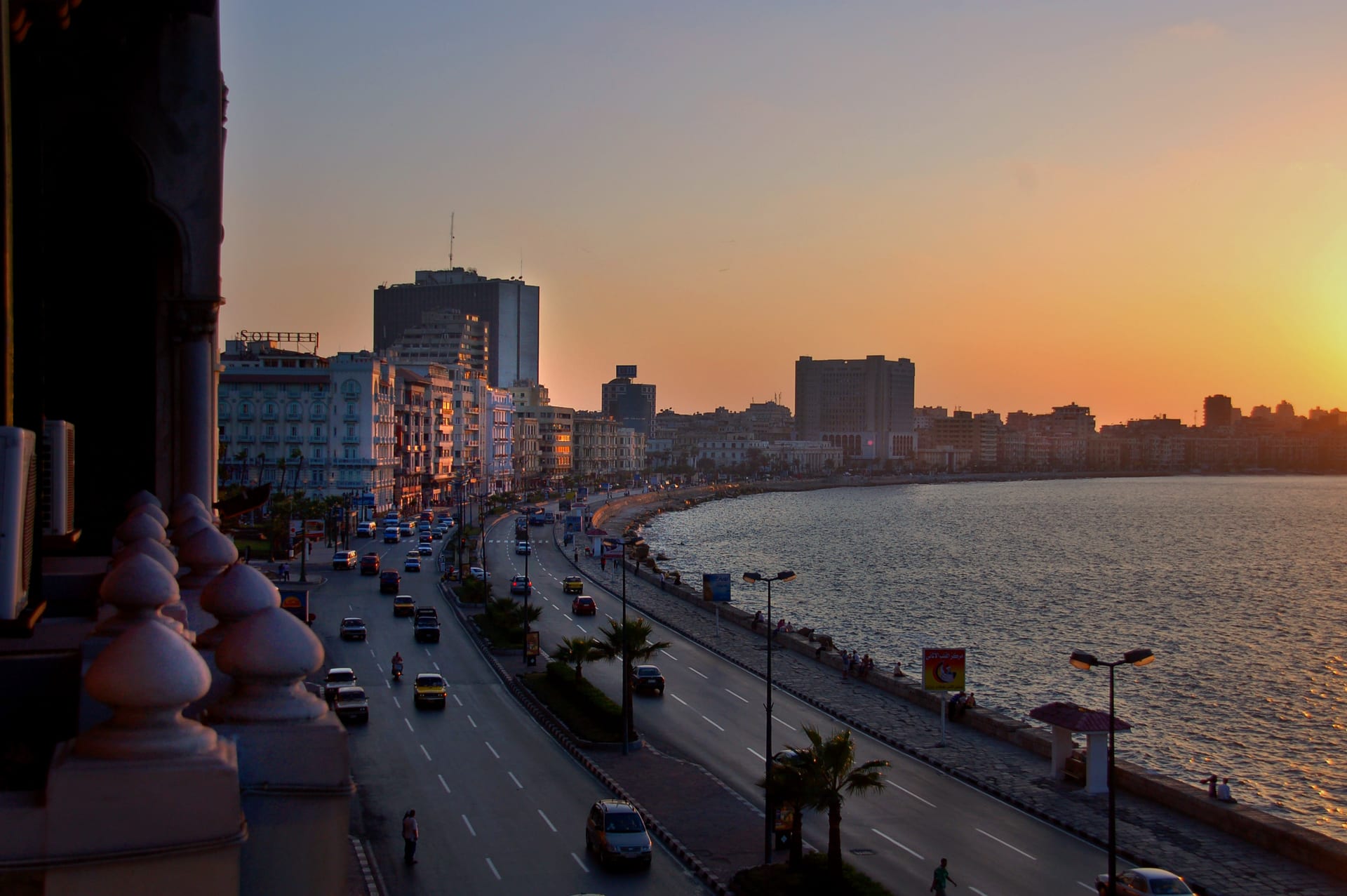
 Egypt
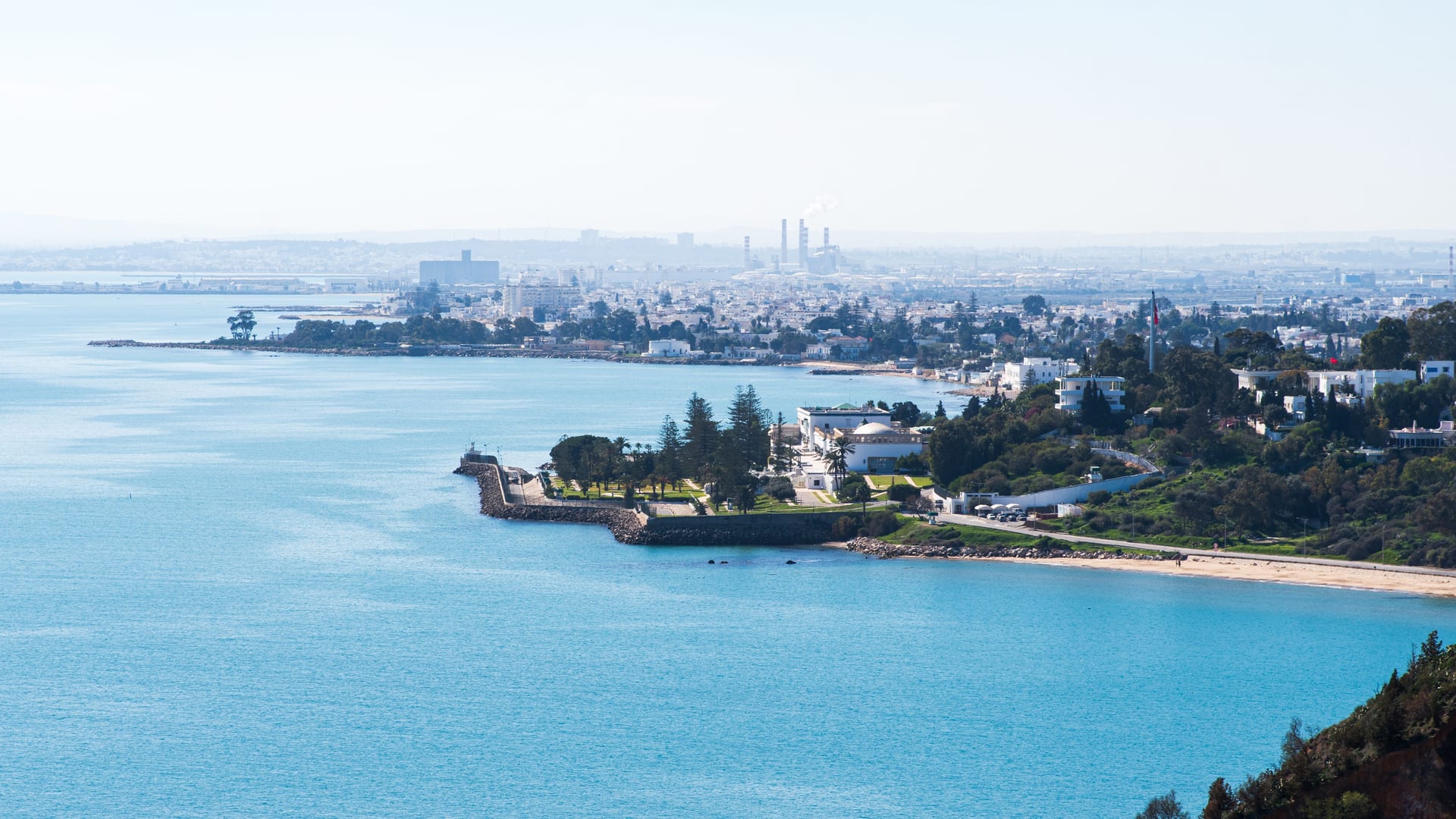
 Tunisia
Alexandria makes sense if
- You want the easier housing and budget equation in this comparison.
Tunis combines Mediterranean capital life with a strong cafe and food scene, and a calmer pace than its size suggests. Alexandria is a sprawling port along the sea, with lower rents and the cooling effect of the coast. Tunis is stronger for safety and services; both have unsettled job prospects and infrastructure concerns.
The grey shape is all 283 cities; each row says whether lower or higher is better. Ratings out of 10 are our reviewed estimates; the rest is published data. How we measure
Set how much each area counts. The ranking updates as you go. Climate and values are left out because there is no better or worse there, only your taste.
Leads on nature & outdoors, city life, safety & health, work & family and moving & settling in; stands out for mountains and national parks nearby.
Narrowly best on money: 75 vs Tunis's 74; stands out for low unemployment and safer roads.
Scores out of 100, averaged from the areas you weighted. For a ranking built around your own situation, take the quiz.
Rent on a new lease, everyday prices and tax.
The year month by month. Whether it suits you is yours to judge.
Solid line: average daytime high. Dashed: night-time low. Point at the chart for any month; point at a city name to shade its range.
How easily you get to water, mountains and green space.
Getting around on foot, food, culture and the feel of the streets.
Crime, how safe people feel, and the care you would get.
Jobs, working culture, schools and raising kids.
Visas, language, paperwork and staying connected.
Where each city sits. There is no right end of these scales.
A long, dense city strung out along the seafront, packed and busy without quite matching Cairo's relentless intensity, and carrying a brisk everyday pace. Getting around leans heavily on cars and crowded transport, and walkability is patchy.
A compact, human-scaled capital rather than a sprawling metro. Getting around the central districts on foot is workable, mixed-use streets keep shops and homes tangled together, and the overall tempo is unhurried.
Violent crime is low and street-level danger limited, broadly in line with Cairo and far safer than its raw size might suggest. Petty theft and a sense of caution after dark are the everyday concerns.
Daily life in Tunis is manageable, with violent crime not especially prominent and daytime movement generally comfortable. Petty theft and road traffic call for care, while political stability is a more serious long-term concern.
Local prospects are narrow, with limited industry breadth and few roles suited to people working in English. The weak spot.
English-language roles are scarce, professional networks are light, and local pay is very low. A two-tier picture.
Where Alexandria comes alive. Alexandria trades on faded grandeur, its long Mediterranean corniche and the modern library giving it genuine public sweep even as litter and neglect creep along the edges.
Where the city shines. Tunis splits between a worn medina and the colonial Ville Nouvelle, upkeep modest across both, with the historic squares and Avenue Habib Bourguiba giving it real public space to stroll.
Tunis is the more rounded choice if you want a coastal capital, lively cafes and stronger safety and healthcare results. Alexandria may work better when the housing budget is central and you have a plan for its thinner job market. Check current service and employment options closely before committing to either city.
These numbers treat everyone the same. The quiz weighs them by your budget, climate taste, family and work, and ranks all 283 cities for you.