 Spain
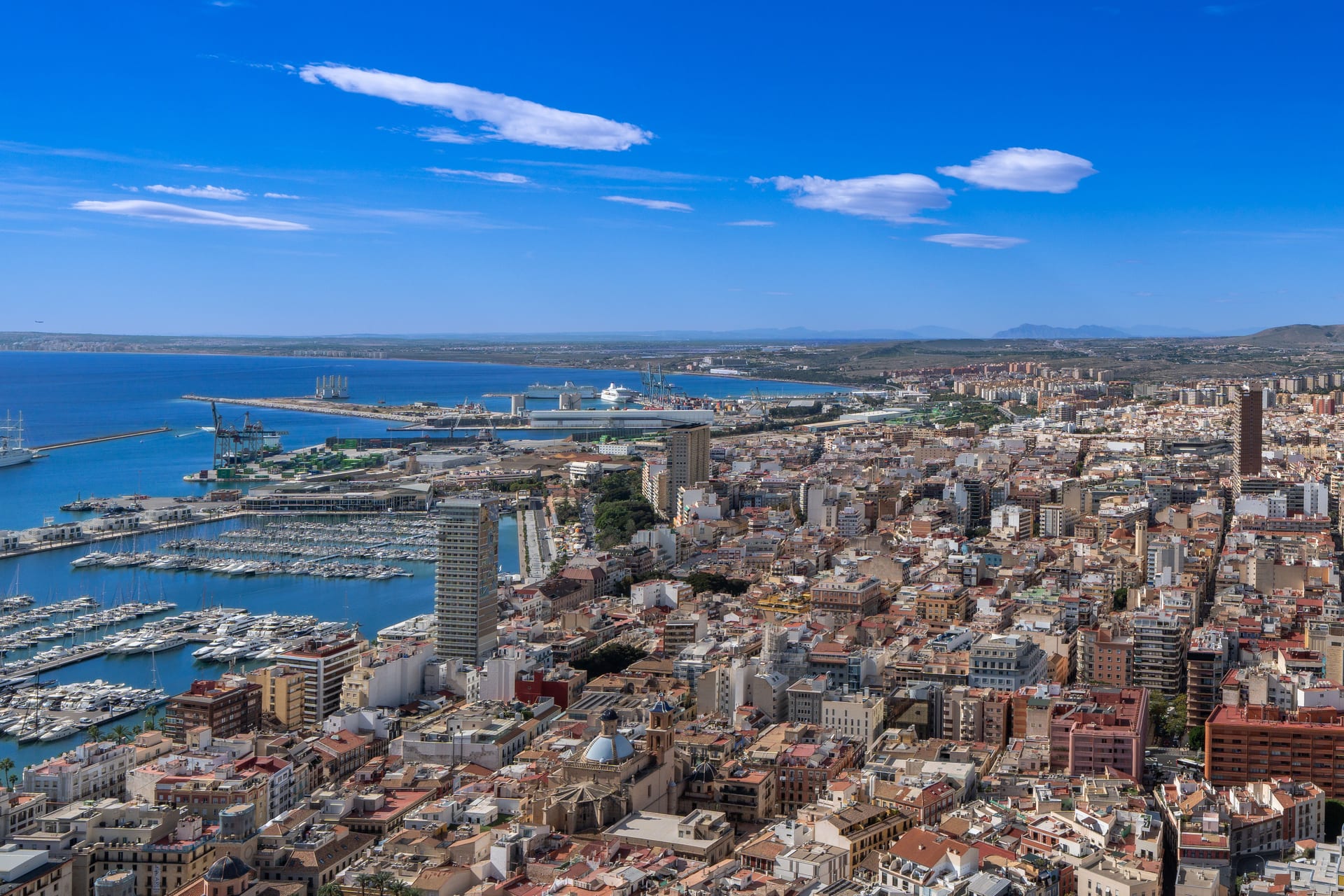
Alicante makes sense if
- You want the easier housing and budget equation in this comparison.
- A calmer day-to-day safety profile matters most to you.
- Access to stronger healthcare matters most to you.
Alicante is a mainland port with a relaxed beachside routine and a lighter housing burden. Palma de Mallorca gives you island-city life, a walkable old centre, easy beach access and a larger international community. Palma's career result is stronger, but Alicante leads on affordability and services; the island setting itself is a major part of the choice.
The grey shape is all 283 cities; each row says whether lower or higher is better. Ratings out of 10 are our reviewed estimates; the rest is published data. How we measure
Set how much each area counts. The ranking updates as you go. Climate and values are left out because there is no better or worse there, only your taste.
Leads on nature & outdoors.
Narrowly best on money: 71 vs Palma de Mallorca's 69; stands out for train connections and space for the money.
Scores out of 100, averaged from the areas you weighted. For a ranking built around your own situation, take the quiz.
Rent on a new lease, everyday prices and tax.
The year month by month. Whether it suits you is yours to judge.
Solid line: average daytime high. Dashed: night-time low. Point at the chart for any month; point at a city name to shade its range.
How easily you get to water, mountains and green space.
Getting around on foot, food, culture and the feel of the streets.
Crime, how safe people feel, and the care you would get.
Jobs, working culture, schools and raising kids.
Visas, language, paperwork and staying connected.
Where each city sits. There is no right end of these scales.
A compact, walkable city where most errands happen on foot and car-dependency stays low. It sprawls little and feels human-scaled rather than dense.
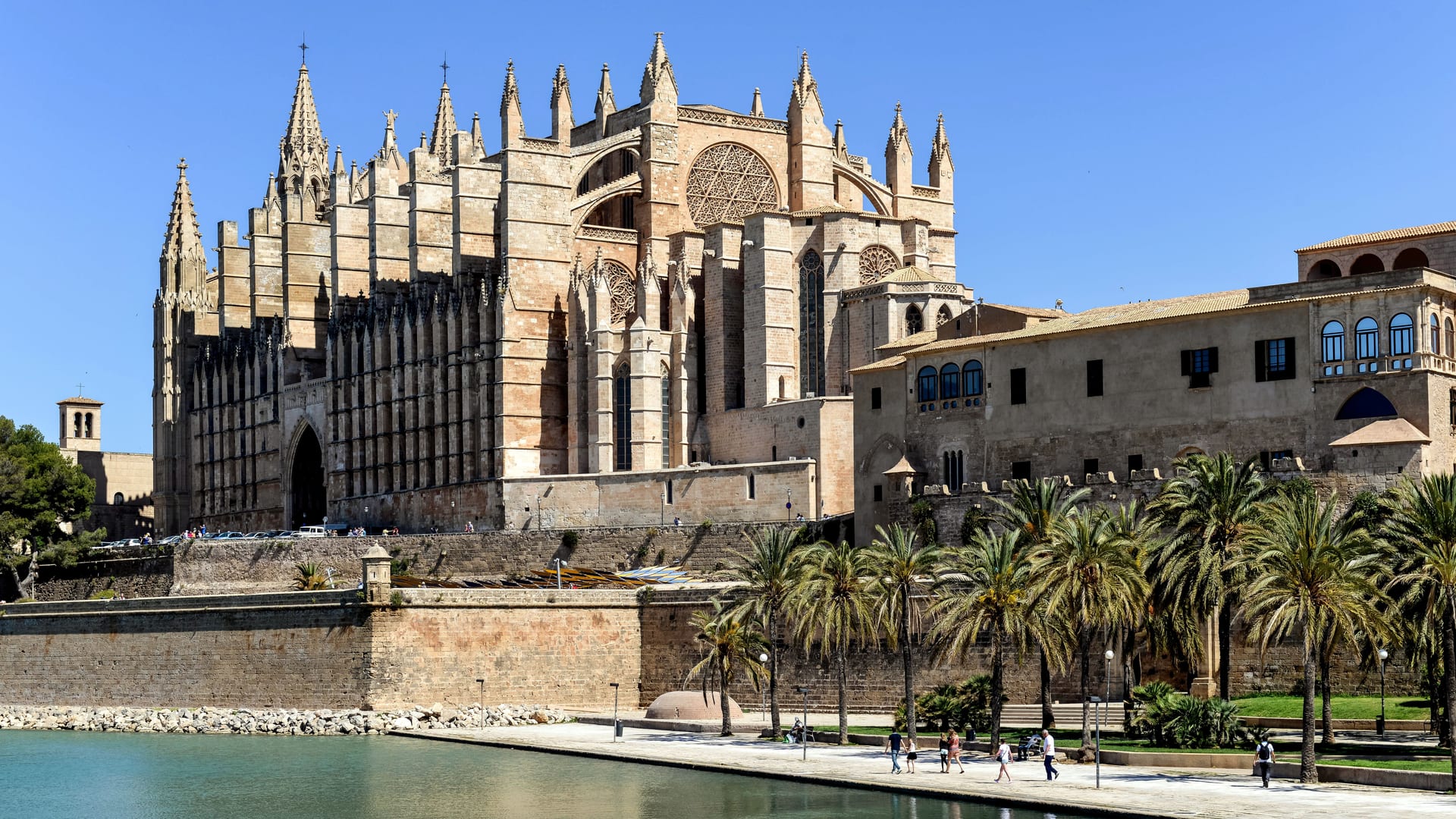
Palma is compact and easy to cover on foot, with a dense old quarter of narrow streets and a quality seafront. It is a genuinely small city, far more so than Madrid or Barcelona, and the pace reflects that.
Among the safer places to land. Violent crime is rare, the homicide rate is very low, and walking around after dark feels comfortable in most areas.
Among the safer places to land in Spain. Serious violent crime is very low and the roads are well managed, so walking at night feels comfortable in most parts of town.
Alicante is better suited to remote work than to building a local career. Solid public healthcare backed by Spain's national system, with good hospital access and reliable emergency care.
Typical local pay is relatively solid, but the local market remains the limiting factor. The Spanish system delivers good quality care at low out-of-pocket cost, with reliable hospitals and emergency services on the island.
Decent food and a likeable everyday culture, with good restaurants, plenty of cafés, and a lively enough night out, though all of it stays provincial next to Valencia or Madrid. Alicante keeps its seafront tidy and its old town well-swept, a notch cleaner than the bigger Spanish capitals.
The international crowd is unusually large for a city this small, which keeps things cosmopolitan. Palma keeps its old town tidy and its seafront well-tended, the cathedral and the Passeig along the water framing genuinely fine public space.
Palma suits someone who wants an island base, a walkable centre and more international job connections. Alicante is easier on housing and stronger for safety and healthcare, while keeping the mainland within reach. Decide whether island life and career access are worth the higher housing pressure.
These numbers treat everyone the same. The quiz weighs them by your budget, climate taste, family and work, and ranks all 283 cities for you.