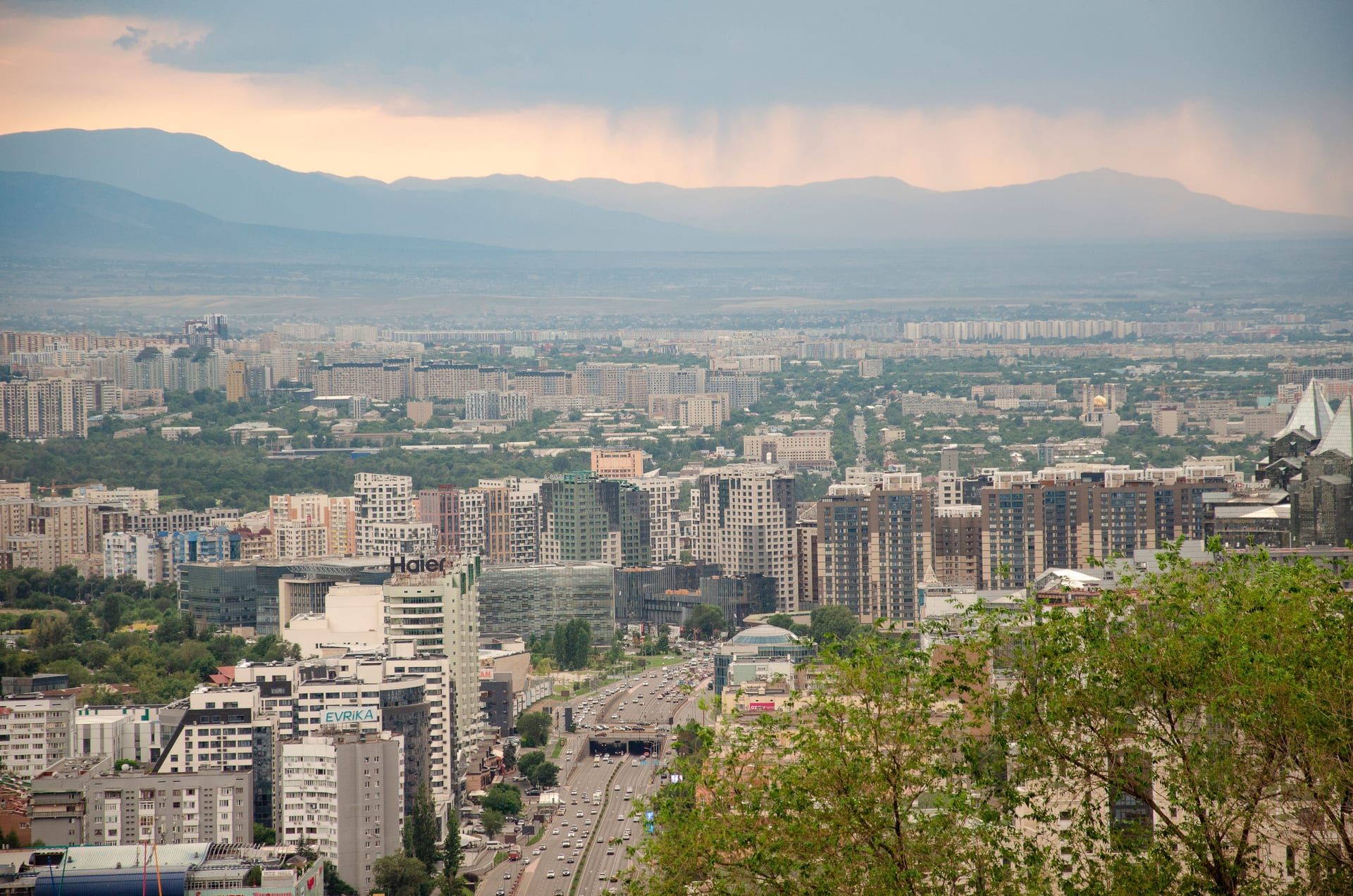
 Kazakhstan
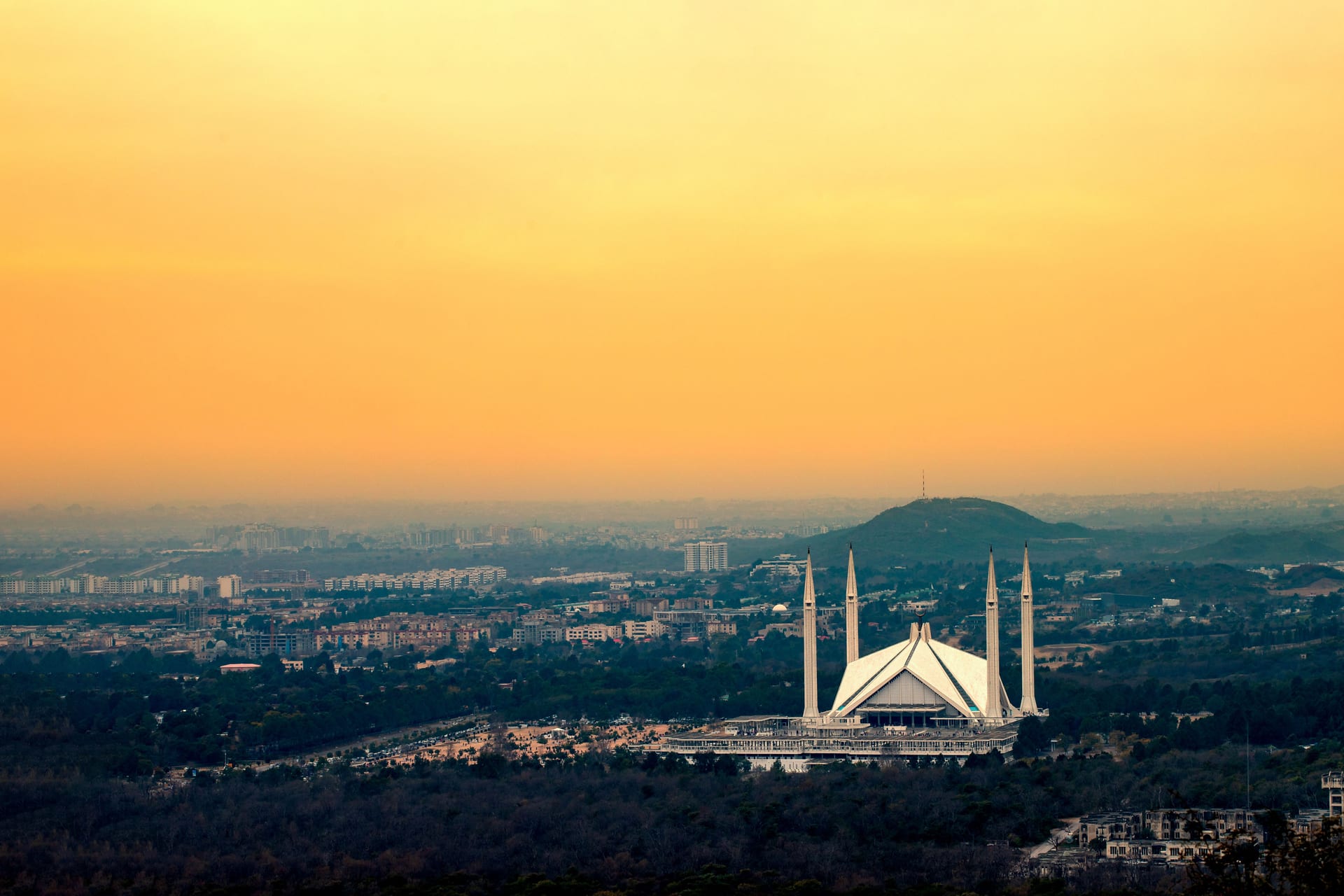
 Pakistan
Almaty makes sense if
- You want the easier housing and budget equation in this comparison.
- A calmer day-to-day safety profile matters most to you.
- Access to stronger healthcare matters most to you.
Almaty has a distinctly seasonal climate and a broad urban feel, set against a mountain backdrop, though local pay and career options can be limiting. Islamabad is a carefully planned capital of numbered sectors, with the Margalla Hills at its edge and a gentler pace shaped by conservative social norms.
The grey shape is all 283 cities; each row says whether lower or higher is better. Ratings out of 10 are our reviewed estimates; the rest is published data. How we measure
Set how much each area counts. The ranking updates as you go. Climate and values are left out because there is no better or worse there, only your taste.
Leads on money, nature & outdoors, city life, safety & health, work & family and moving & settling in; stands out for nightlife and rent that fits local pay.
Closest to the top on money, 4 points behind Almaty; stands out for winter comfort and brighter winters.
Scores out of 100, averaged from the areas you weighted. For a ranking built around your own situation, take the quiz.
Rent on a new lease, everyday prices and tax.
The year month by month. Whether it suits you is yours to judge.
Solid line: average daytime high. Dashed: night-time low. Point at the chart for any month; point at a city name to shade its range.
How easily you get to water, mountains and green space.
Getting around on foot, food, culture and the feel of the streets.
Crime, how safe people feel, and the care you would get.
Jobs, working culture, schools and raising kids.
Visas, language, paperwork and staying connected.
Where each city sits. There is no right end of these scales.
A leafy, mostly low-slung grid laid out under the mountains, walkable enough in the core but spread out and increasingly built around the car as it pushes into the suburbs. The pace is unhurried for a city this size, far calmer than the megacities of South and Southeast Asia.
A purpose-built capital of wide avenues and low-rise sectors, spacious and orderly by South Asian standards but spread out and built around the car. Walkability is poor and there is little of the dense, mixed-use street life found in older Pakistani cities.
Day-to-day safety is reasonable, with low violent crime and a generally calm street feel, on par with the steadier cities of the region. Petty theft exists, as in any large city, and walking at night is broadly fine in central areas.
Day-to-day crime is low, noticeably so against Karachi, and violent incidents are rare for the region. The serious caveat is political stability, which scores at the floor here: Pakistan carries real volatility, and the capital sees periodic protests, security alerts and abrupt disruptions.
The local market in Almaty is small, with few English-language roles and limited depth in technology and professional networks. Healthcare is functional but middling.
The local market is thin, with limited industry depth and professional networks. Private hospitals in the capital are among the country's better options and English is widely spoken in clinics, but the overall picture is modest.
The food scene is a genuine pleasure, blending Central Asian grilled meats and noodle dishes with a strong cafe culture and a growing crop of modern restaurants. Almaty is orderly and tree-lined, noticeably cleaner than South Asia, with crisp mountain air.
Pakistani food is the real draw, with strong local cooking and a serviceable cafe scene, though the restaurant range trails livelier Karachi and the regional heavyweights. The wide boulevards and Faisal Mosque grounds impress, though it's car-centric and short on intimate squares.
Almaty is better for someone seeking a larger city and seasonal variety, especially with income that does not rely on local hiring. Islamabad suits a quieter, greener routine and immediate hill access, if its limited job market and social climate fit your plans.
These numbers treat everyone the same. The quiz weighs them by your budget, climate taste, family and work, and ranks all 283 cities for you.