 Turkey
Antalya makes sense if
- A calmer day-to-day safety profile matters most to you.
- You value stronger public spaces and everyday city life.
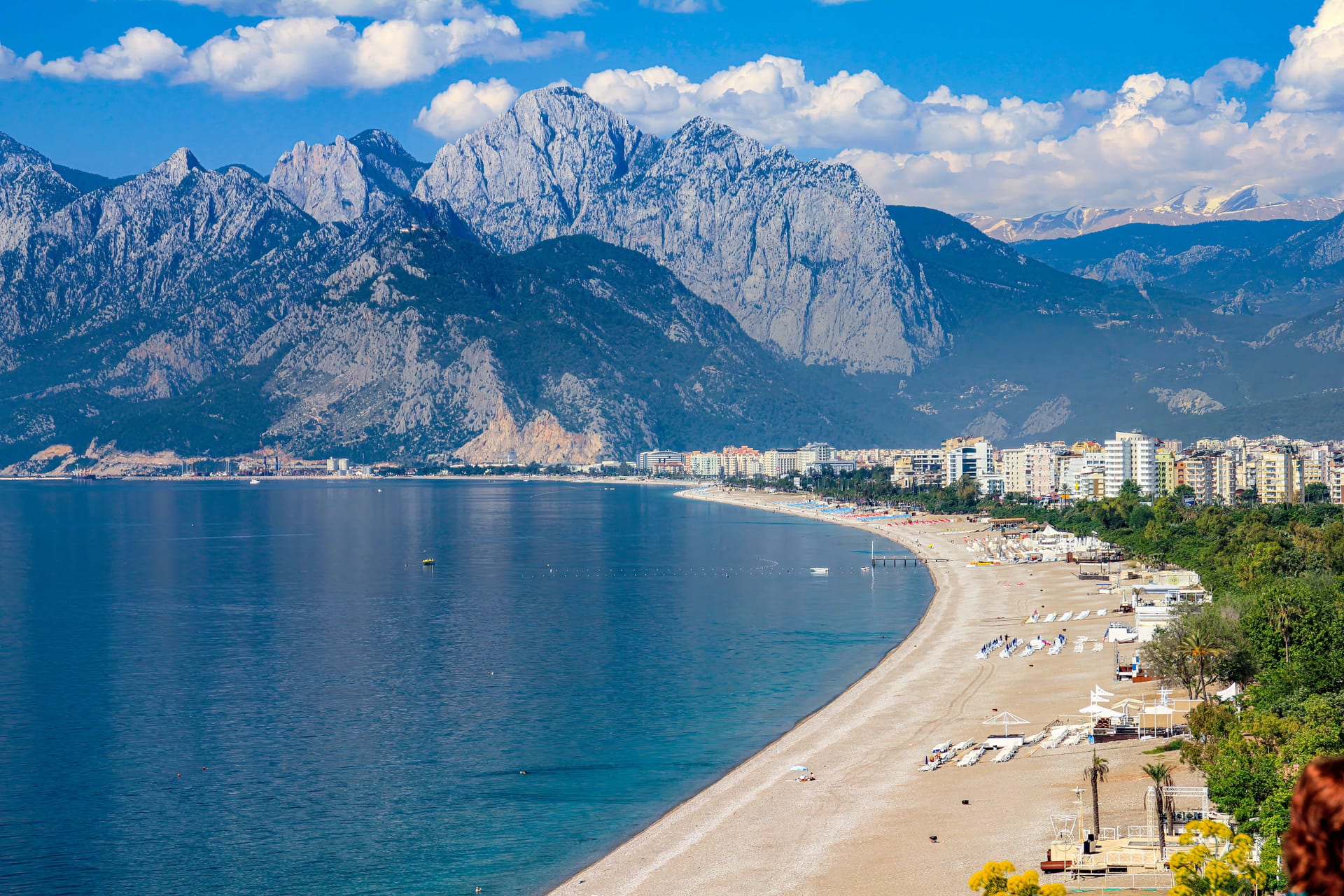
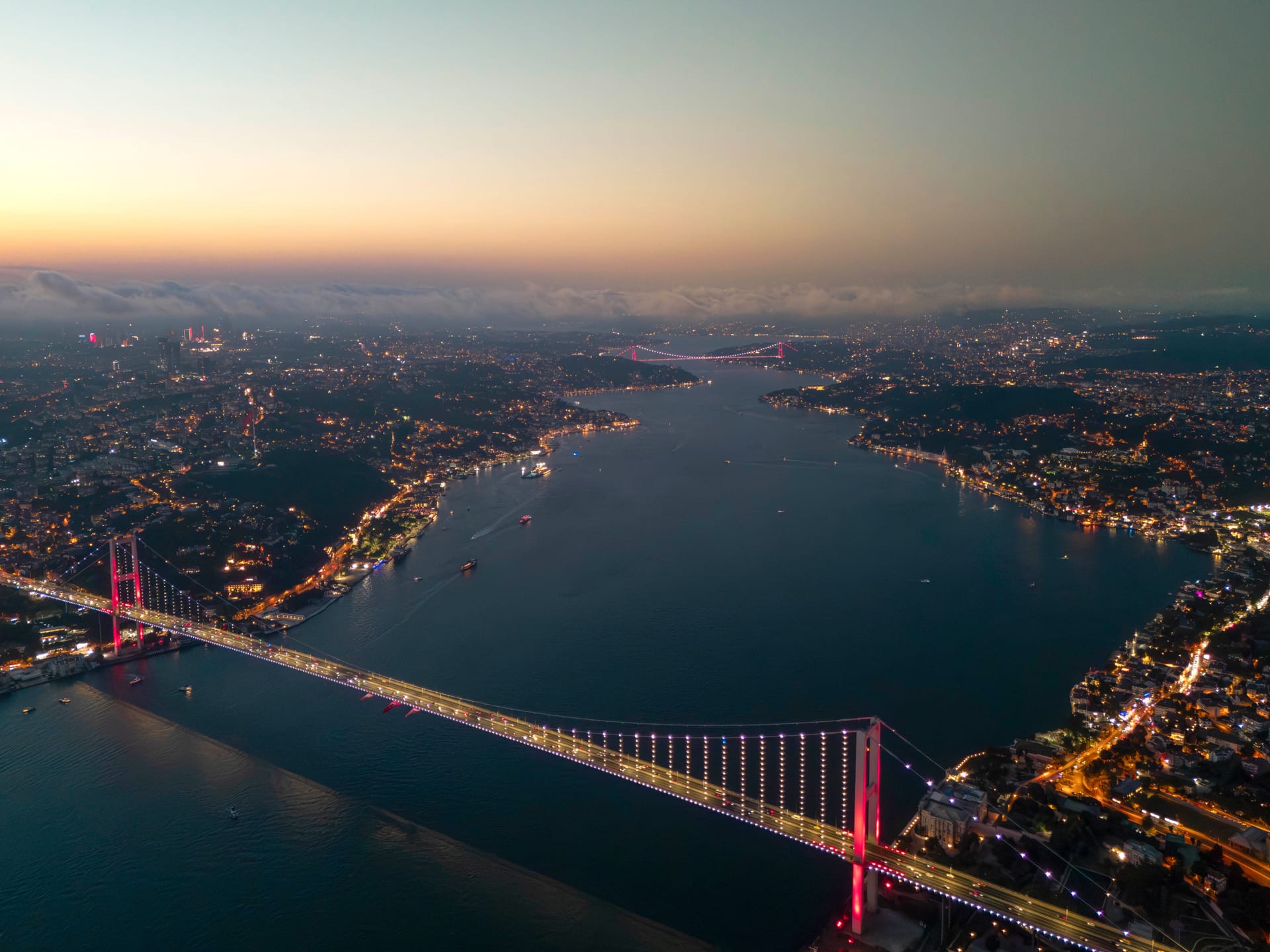
Antalya is a Mediterranean resort city between the sea and the Taurus Mountains, with an easy, sun-soaked pace and an international population. Istanbul is a vast, fast-moving metropolis with deeper cultural life and more professional possibilities, but its scale strains infrastructure and settling in takes work.
The grey shape is all 283 cities; each row says whether lower or higher is better. Ratings out of 10 are our reviewed estimates; the rest is published data. How we measure
Set how much each area counts. The ranking updates as you go. Climate and values are left out because there is no better or worse there, only your taste.
Leads on nature & outdoors; stands out for mountains and national parks nearby.
Leads on money and work & family; stands out for train connections and music & art scene.
Scores out of 100, averaged from the areas you weighted. For a ranking built around your own situation, take the quiz.
Rent on a new lease, everyday prices and tax.
The year month by month. Whether it suits you is yours to judge.
Solid line: average daytime high. Dashed: night-time low. Point at the chart for any month; point at a city name to shade its range.
How easily you get to water, mountains and green space.
Getting around on foot, food, culture and the feel of the streets.
Crime, how safe people feel, and the care you would get.
Jobs, working culture, schools and raising kids.
Visas, language, paperwork and staying connected.
Where each city sits. There is no right end of these scales.
A spread-out, low-rise coastal city rather than a tight urban core. Density is low and a car helps for much of daily life, though the central districts and old town are walkable enough.
The pace is fast, the streets are packed, and personal space is scarce. Some districts mix shops, homes, and life on the same block in a walkable way, but the relentless scale and sprawl define the experience more than any single neighbourhood does.
Violent and petty crime sit low, traffic feels manageable for Turkey, and most residents move around comfortably after dark. The serious caveat is national-level political stability, which scores at the floor here, the kind of background uncertainty worth weighing before a long-term commitment.
Most people experience Istanbul as comfortable to walk around, including after dark, and petty theft is the more practical street-level nuisance. Political instability is the larger background concern and can affect the wider sense of security.
Antalya's local job market is narrow, with limited industry breadth and few English-language roles. Care is solid and very affordable, with private hospitals that serve a large medical-tourism trade and out-of-pocket costs far below Western Europe.
Istanbul offers work across several industries, including a credible startup scene, but the local market is unforgiving. Care is workable and notably cheap, with strong private hospitals and low out-of-pocket costs compared with Western Europe.
Turkish food culture runs deep and the restaurant and cafe scene is comfortable, if quieter than Istanbul's. Antalya is a tidy resort town, its old town cared-for even as the edges sprawl.
The restaurant scene is deep and varied, the cafe culture is woven into everyday life, and the museums, music, and layered local heritage reward years of exploring. Istanbul is vast and chaotic, litter and grime uneven across its sprawl.
Istanbul is a better fit for residents seeking a deep cultural scene and more career breadth, and who are prepared for a demanding city and language barrier. Antalya is suited to a coastal lifestyle move where safety, sunshine, and a slower pace outweigh local job depth.
These numbers treat everyone the same. The quiz weighs them by your budget, climate taste, family and work, and ranks all 283 cities for you.