
 Paraguay
 Brazil
Asunción makes sense if
- You want the easier housing and budget equation in this comparison.
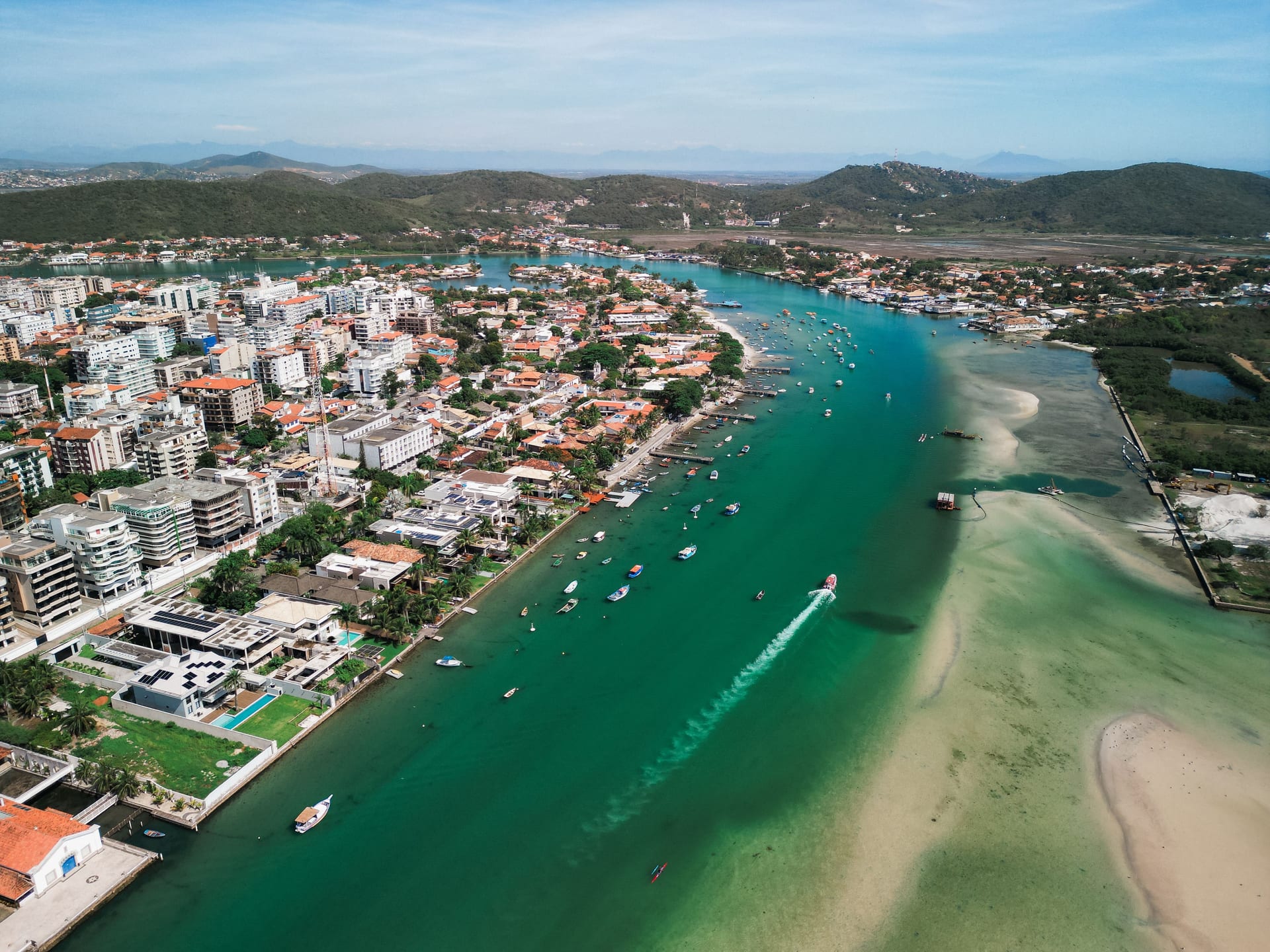
Asunción keeps life warm, slow and close to the river, with an easy pace and limited local work. Florianópolis puts surf beaches and lagoons at the centre of an island-city routine, but the spread-out layout makes transport and careers less convenient than the scenery suggests. Both suit portable income; one offers a quieter capital, the other a distinctly coastal lifestyle.
The grey shape is all 283 cities; each row says whether lower or higher is better. Ratings out of 10 are our reviewed estimates; the rest is published data. How we measure
Set how much each area counts. The ranking updates as you go. Climate and values are left out because there is no better or worse there, only your taste.
Leads on nature & outdoors, city life, safety & health and work & family; stands out for beach & sea and hiking.
Narrowly best on money: 80 vs Florianópolis's 77; stands out for easier house-hunting and simpler taxes.
Scores out of 100, averaged from the areas you weighted. For a ranking built around your own situation, take the quiz.
Rent on a new lease, everyday prices and tax.
The year month by month. Whether it suits you is yours to judge.
Solid line: average daytime high. Dashed: night-time low. Point at the chart for any month; point at a city name to shade its range.
How easily you get to water, mountains and green space.
Getting around on foot, food, culture and the feel of the streets.
Crime, how safe people feel, and the care you would get.
Jobs, working culture, schools and raising kids.
Visas, language, paperwork and staying connected.
Where each city sits. There is no right end of these scales.
The city is not especially easy to walk, and high car dependence combines with limited mixed-use development to spread daily life out. Homes offer a little more space than in denser cities, but a car remains the practical default.
Small and low-slung rather than a dense metropolis, closer in scale to a large coastal town than to São Paulo or Rio. Life is car-dependent and spread between the mainland and the island, with limited walkability outside a few pockets.
Safety in Asunción calls for ordinary city caution, with petty crime and night-time wariness part of daily life. Political stability is middling, so the concerns are practical rather than constant crisis.
Markedly safer than Brazil's big metros on serious violence, with a low homicide rate by national standards. Everyday petty crime and night-time wariness still warrant the usual urban caution.
Asunción's local career market is small and only lightly connected to international work. Hospital access, emergency reliability and the general quality of care all trail Buenos Aires and the larger regional hubs.
Local career options are modest, with limited English-language work and unemployment somewhat elevated. Healthcare lands in the middle: workable hospitals and a public system alongside private options, but a notable shortage of doctors that can mean waits.
A quieter cultural scene than Buenos Aires or Mexico City, with fewer restaurants, museums and nightlife venues. Asuncion is hot and dusty, its streets unevenly kept and some corners frankly neglected.
A solid, if not headline, scene: good restaurants, cafes, beach bars and a respectable nightlife, with the international crowd lending more variety than the city's size would imply. Florianopolis, set on its island, is cleaner than the mainland and decently kept.
Florianópolis is for people who will use the beaches and lagoons often and can plan around a thinner job market and transit. Asunción offers a warmer, more affordable urban base with a friendly, unhurried feel. Choose by the routine you want outside work, and make sure the work itself is viable first.
These numbers treat everyone the same. The quiz weighs them by your budget, climate taste, family and work, and ranks all 283 cities for you.