Affordability
77/100Florianópolis' open-market one-bedroom rent on a new lease is about $490 per month. That is roughly 49% of one typical employee's mean net pay, a rent burden labelled tight alone.
Climate
wet & greyFlorianópolis has warm summers and cool winters, with January averaging 24.9°C. Bright spells are patchy, rainy-grey stretches are common, and muggy conditions cover much of the year. Air quality is broadly ordinary, not a standout benefit.
Nature access
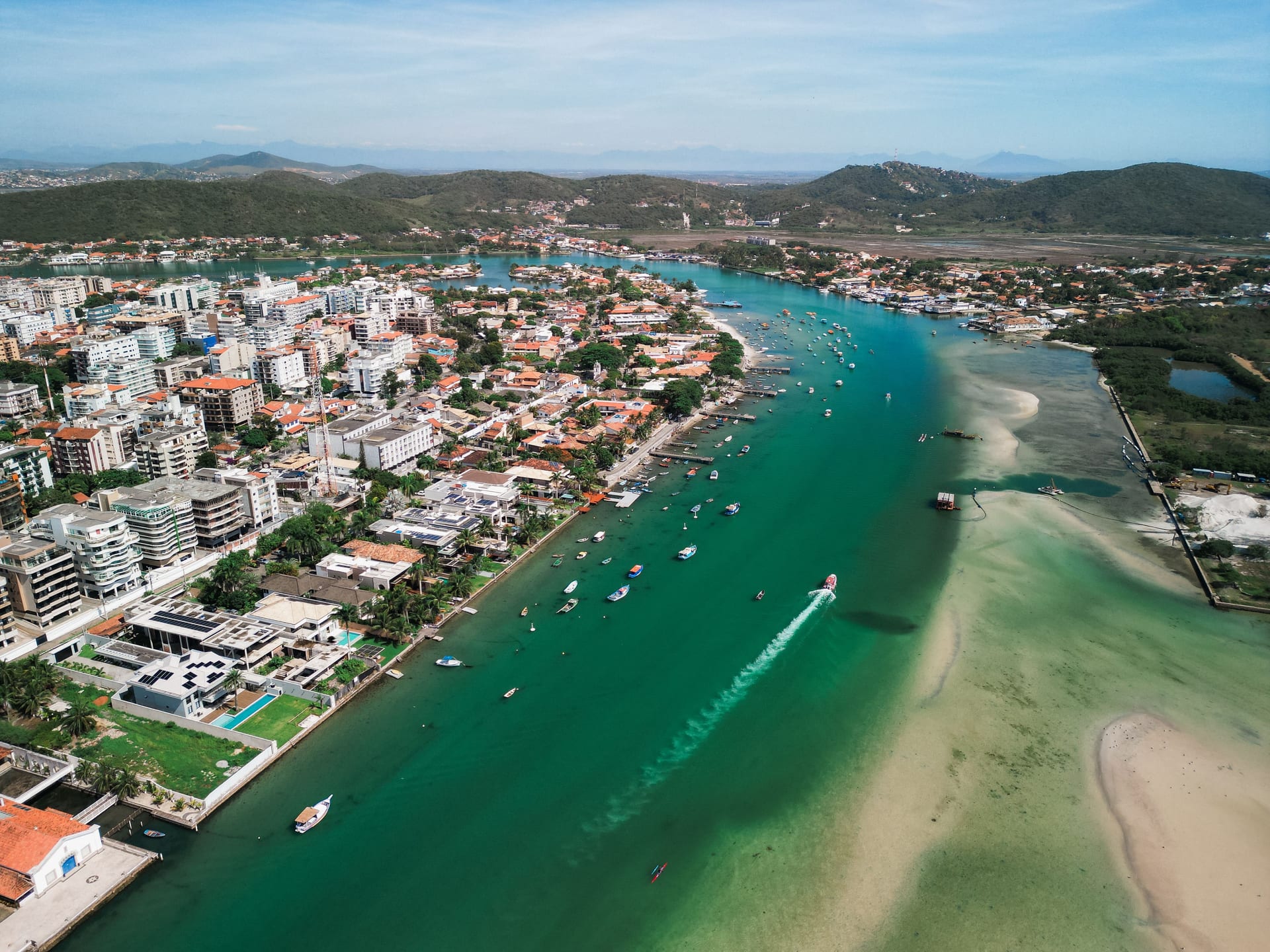
coastalThis is the city's strongest card. An island ringed by dozens of beaches with some of the best ocean access anywhere, backed by lagoons, forest trails and hills within easy reach. Weekends open onto serious surf, hiking and water. Manicured city parks and green space per resident are the thinner part of the picture.
Urban form
mid-sizedSmall and low-slung rather than a dense metropolis, closer in scale to a large coastal town than to São Paulo or Rio. Life is car-dependent and spread between the mainland and the island, with limited walkability outside a few pockets. Neighbourhood quality is decent, the overall pace unhurried.
Public life & spaces
70/100Florianopolis, set on its island, is cleaner than the mainland and decently kept. But its life is beach-driven and the built civic squares are modest, so the shared public realm is more sand than plaza. The beaches are free and costs moderate, with the odd festival, though genuinely free urban culture is thinner here.
Safety
62/100Markedly safer than Brazil's big metros on serious violence, with a low homicide rate by national standards. Everyday petty crime and night-time wariness still warrant the usual urban caution. The wider concern is political and institutional stability, which scores poorly and shapes the longer-term backdrop.
Healthcare
55/100Healthcare lands in the middle: workable hospitals and a public system alongside private options, but a notable shortage of doctors that can mean waits. Out-of-pocket costs are manageable and some English-speaking care exists, though Portuguese remains the safer assumption for anything involved.
Family life
59/100A relaxed, outdoor place to raise children, with beaches, parks and time outside built into daily life. Schools and formal childcare are middling, and family-sized housing takes some hunting, so the appeal leans more on lifestyle than on institutions. Day-to-day child safety is reasonable.
Career
58/100Local career options are modest, with limited English-language work and unemployment somewhat elevated. Local pay is low, but remote work is a strong fit. A real tech and startup presence adds options without creating the depth of a major employment centre.
Culture & food
67/100A solid, if not headline, scene: good restaurants, cafes, beach bars and a respectable nightlife, with the international crowd lending more variety than the city's size would imply. Museums and a deeper arts calendar are thinner. The everyday food and cafe culture is the real draw.
Ease of integration
59/100Locals are notably open to foreigners, and a steady stream of Brazilian transplants and internationals makes finding a circle realistic. The real gate is language: Portuguese runs everything, English only goes so far, and integrating well means learning it. Those who do find the social fabric warm and welcoming.
Connectivity
40/100Functional but limited. Public transport is weak and the city assumes a car, there is no useful intercity rail, and bureaucracy is slow to digitize. Roads move reasonably and utilities hold up, while the airport gives decent reach. Digital connectivity is passable, important given how many residents work remotely.
Social values
progressiveModerately progressive for Brazil, with a fairly secular public life, reasonable openness to LGBTQ residents and a welcoming stance toward outsiders. It is not the most liberal corner of the country, and threads of traditionalism persist, but newcomers tend to find the social climate easygoing.
Relocation ease
48/100Relatively straightforward to move to: visa and residence routes are accessible and the welcome is genuine. Friction sits in the admin, slow bureaucracy, fiddly taxes and banking, plus the housing search. Portuguese is the main hurdle, since day-to-day systems run in it rather than English.