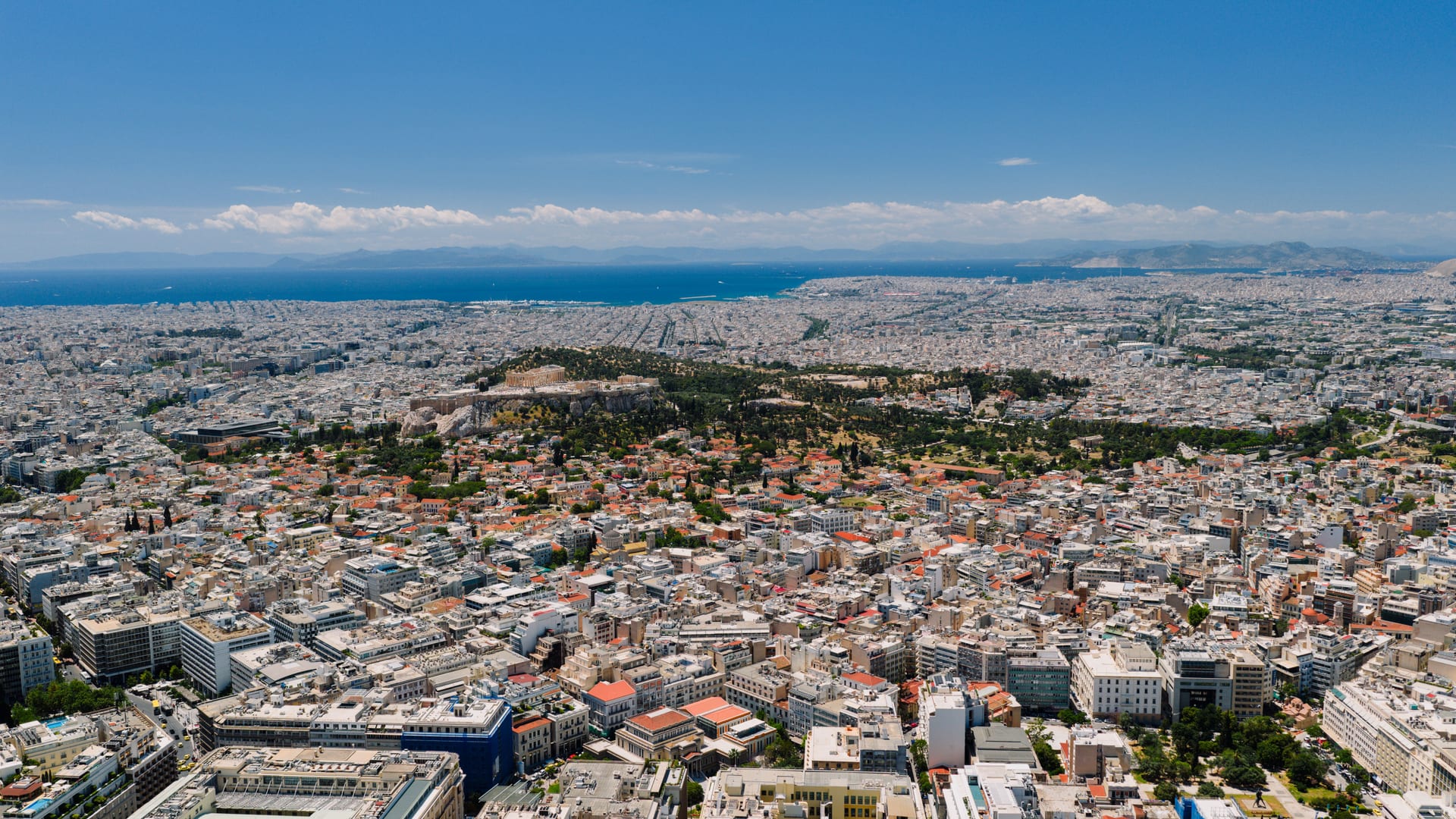
 Greece
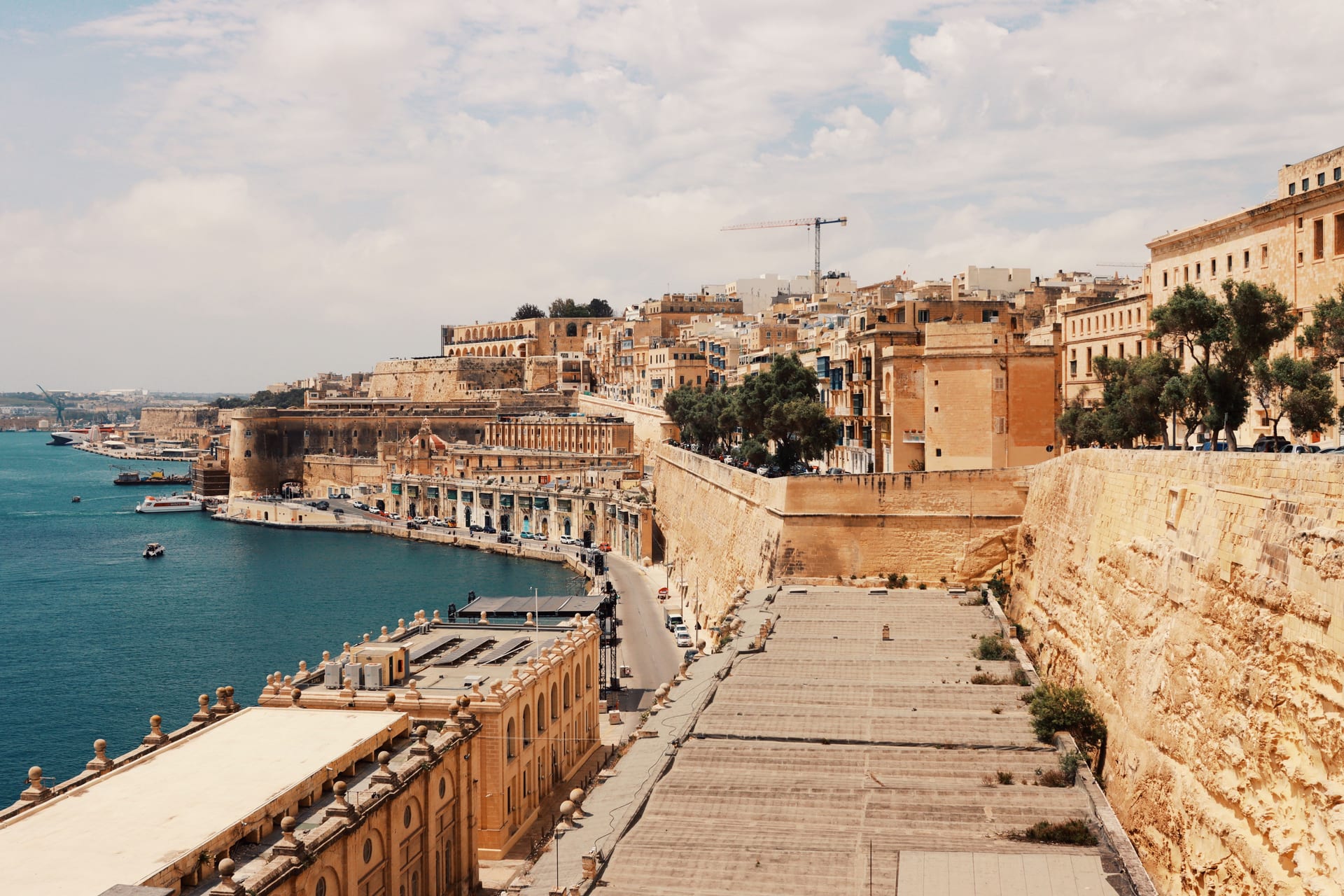
 Malta
Athens makes sense if
- You want the deeper culture and food scene.
Athens is a sprawling capital with a deep food and cultural scene, plus a much broader range of neighbourhoods and services. Valletta is a small, historic harbour city in an English-speaking island context; the setting is distinctive, but the limited scale and busy visitor core are part of ordinary life.
The grey shape is all 283 cities; each row says whether lower or higher is better. Ratings out of 10 are our reviewed estimates; the rest is published data. How we measure
Set how much each area counts. The ranking updates as you go. Climate and values are left out because there is no better or worse there, only your taste.
Leads on city life, safety & health, work & family and moving & settling in; stands out for a smaller language barrier and jobs in english.
Leads on nature & outdoors; stands out for mountains and hiking.
Scores out of 100, averaged from the areas you weighted. For a ranking built around your own situation, take the quiz.
Rent on a new lease, everyday prices and tax.
The year month by month. Whether it suits you is yours to judge.
Solid line: average daytime high. Dashed: night-time low. Point at the chart for any month; point at a city name to shade its range.
How easily you get to water, mountains and green space.
Getting around on foot, food, culture and the feel of the streets.
Crime, how safe people feel, and the care you would get.
Jobs, working culture, schools and raising kids.
Visas, language, paperwork and staying connected.
Where each city sits. There is no right end of these scales.
A dense, sprawling concrete city where life spills onto the street and a car is rarely essential. Walkability and the feel of individual neighbourhoods land in the middle, varying a lot block to block.
Valletta is tiny and dense, a walkable warren of grid streets, steps and shaded alleys where almost everything sits within a few minutes on foot. The wider conurbation around the Grand Harbour blurs town into town, so daily life often spills outside the capital proper.
Serious violent crime is very rare, and the city feels safe to move around day or night. The real nuisance is petty theft.
Valletta feels safe day and night. Road safety is a quiet strength, so personal security rarely shapes daily decisions.
The local job market is shallow, unemployment remains high, and professional networks are thin. Healthcare is solid but not standout.
The local market is steady rather than expansive, with very low unemployment and strong access to English-language work. Malta's public system is solid and dependable, with decent hospital and doctor access for an island its size, though specialist depth is naturally more limited than on the mainland.
Greek food culture runs deep and unpretentious, from tavernas to a serious cafe and late-night scene, and the museums and ancient sites are world class. What redeems it is space and price: Syntagma, the plakas and the ancient agoras give endless walkable squares, and life runs cheap and outdoors.
For a place this small, the cultural offer punches above its footprint, with a long Mediterranean food tradition, lively cafes, decent nightlife and a busy calendar of events and museums in the historic core. Valletta is a restored baroque capital, its UNESCO core kept clean and the grand squares, bastions and harbour views making for handsome public space.
Athens is a better fit if you want a large-city routine and more choice in work, culture and neighbourhoods. Valletta suits people who value historic streets, harbour views and a compact setting, and who are comfortable with island scale and seasonal crowds.
These numbers treat everyone the same. The quiz weighs them by your budget, climate taste, family and work, and ranks all 283 cities for you.