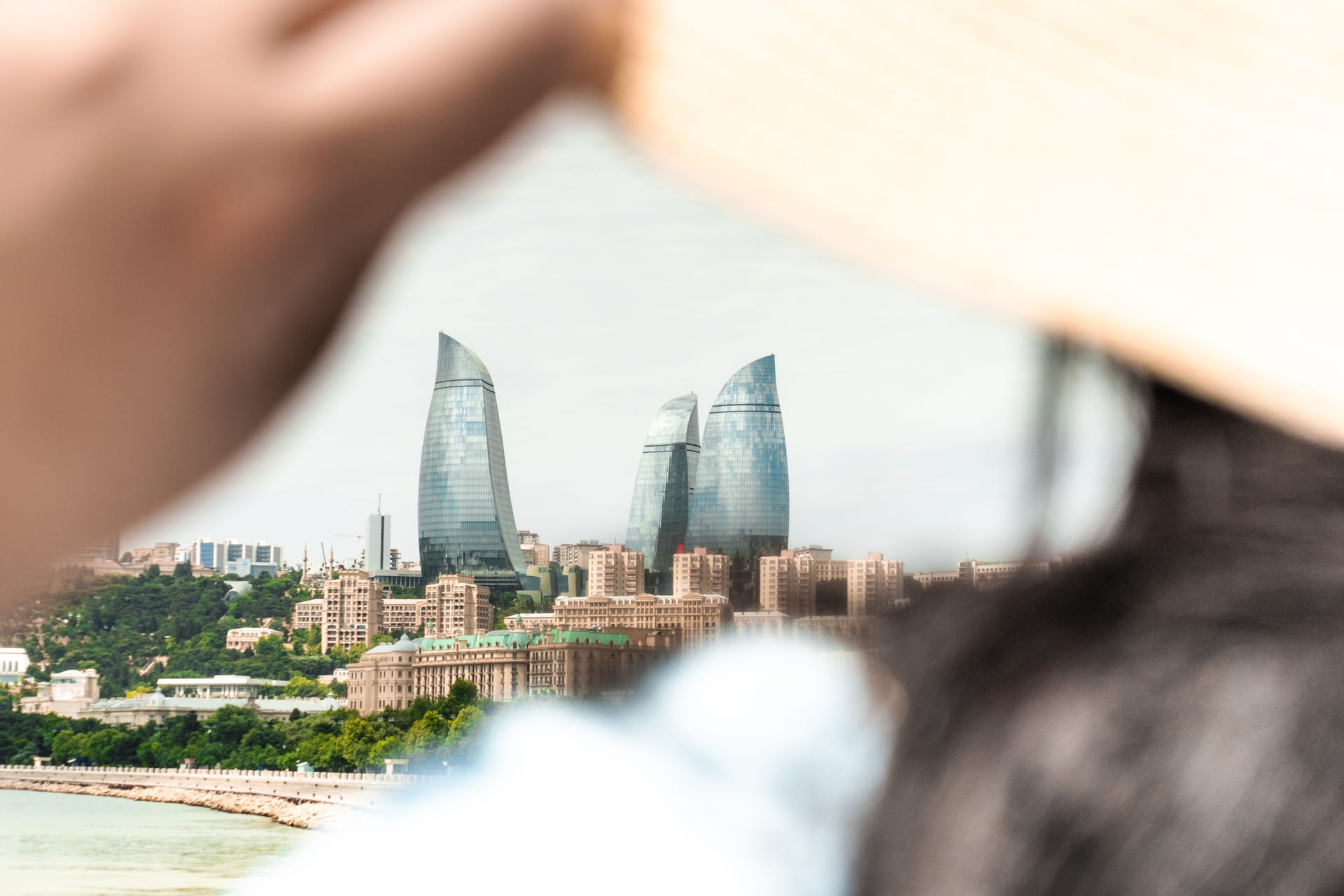
 Azerbaijan
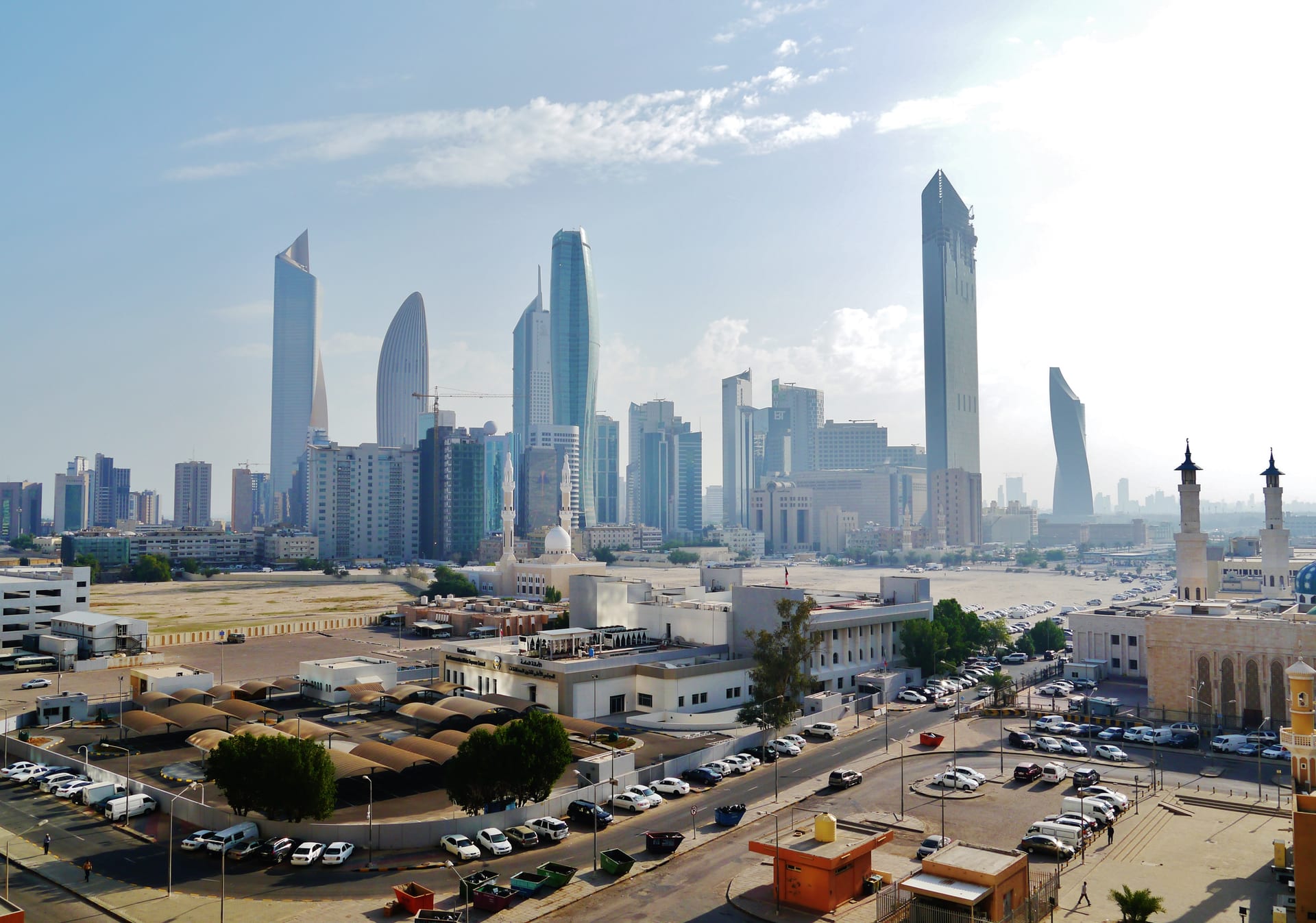
 Kuwait
Baku makes sense if
- You want the easier housing and budget equation in this comparison.
- You want the deeper culture and food scene.
- You value stronger public spaces and everyday city life.
Baku brings the Bulvar waterfront, tea houses and central pedestrian streets into daily life; Kuwait City offers more access to English-language work and scores higher on healthcare. Baku's lower rent is the budget draw for someone bringing income, and it also takes a smaller share of typical local pay than housing in Kuwait City.
The grey shape is all 283 cities; each row says whether lower or higher is better. Ratings out of 10 are our reviewed estimates; the rest is published data. How we measure
Set how much each area counts. The ranking updates as you go. Climate and values are left out because there is no better or worse there, only your taste.
Leads on money, nature & outdoors and city life; stands out for milder summers and nightlife.
Leads on safety & health and moving & settling in; stands out for winter comfort and a smaller language barrier.
Scores out of 100, averaged from the areas you weighted. For a ranking built around your own situation, take the quiz.
Rent on a new lease, everyday prices and tax.
The year month by month. Whether it suits you is yours to judge.
Solid line: average daytime high. Dashed: night-time low. Point at the chart for any month; point at a city name to shade its range.
How easily you get to water, mountains and green space.
Getting around on foot, food, culture and the feel of the streets.
Crime, how safe people feel, and the care you would get.
Jobs, working culture, schools and raising kids.
Visas, language, paperwork and staying connected.
Where each city sits. There is no right end of these scales.
Baku spreads more than it stacks, with lower density than Istanbul or Tbilisi and a real reliance on cars to get around. The old walled city and the seafront promenade are genuinely walkable, but much of the wider city assumes a vehicle.
Life is organised around highways, malls, and large private homes rather than walkable streets. Getting anywhere on foot is impractical, neighbourhoods feel low on street life, and a car is essentially mandatory.
Street safety is a clear strength. Violent and petty crime stay low, on par with Tbilisi, and walking at night feels comfortable across most of the city.
In ordinary life, Kuwait City feels safe. Traffic is the practical hazard, with road safety weaker than the city's calm streets might suggest.
Baku's local prospects are narrow, with limited industry breadth, few English-language roles, and a small startup scene. Healthcare is a weak spot.
Kuwait City's low unemployment and accessible English-language roles make the market comparatively easy to enter. Hospital care is solid and emergency treatment is reliable, with English spoken widely in clinics, which eases life for newcomers.
Baku has a strong sense of itself. The boulevard is free to walk and the city stays fairly cheap.
The international community is enormous, with people from across South Asia, the Arab world, and beyond, and English goes a long way in daily life. Kuwait City is wealthy and broadly clean, though dust and ageing infrastructure show through.
Living in Baku puts Caspian walks and late cafes alongside an energy-centred job market. Kuwait City's English-using corporate sector and higher healthcare score may matter more for a work-led move, at the cost of a more car-dependent routine. Baku's lower rent also comes with the lighter local-pay burden.
These numbers treat everyone the same. The quiz weighs them by your budget, climate taste, family and work, and ranks all 283 cities for you.