 Azerbaijan
 Cyprus
Baku makes sense if
- You want the easier housing and budget equation in this comparison.
- You want the broader career options in this comparison.
- You want the deeper culture and food scene.
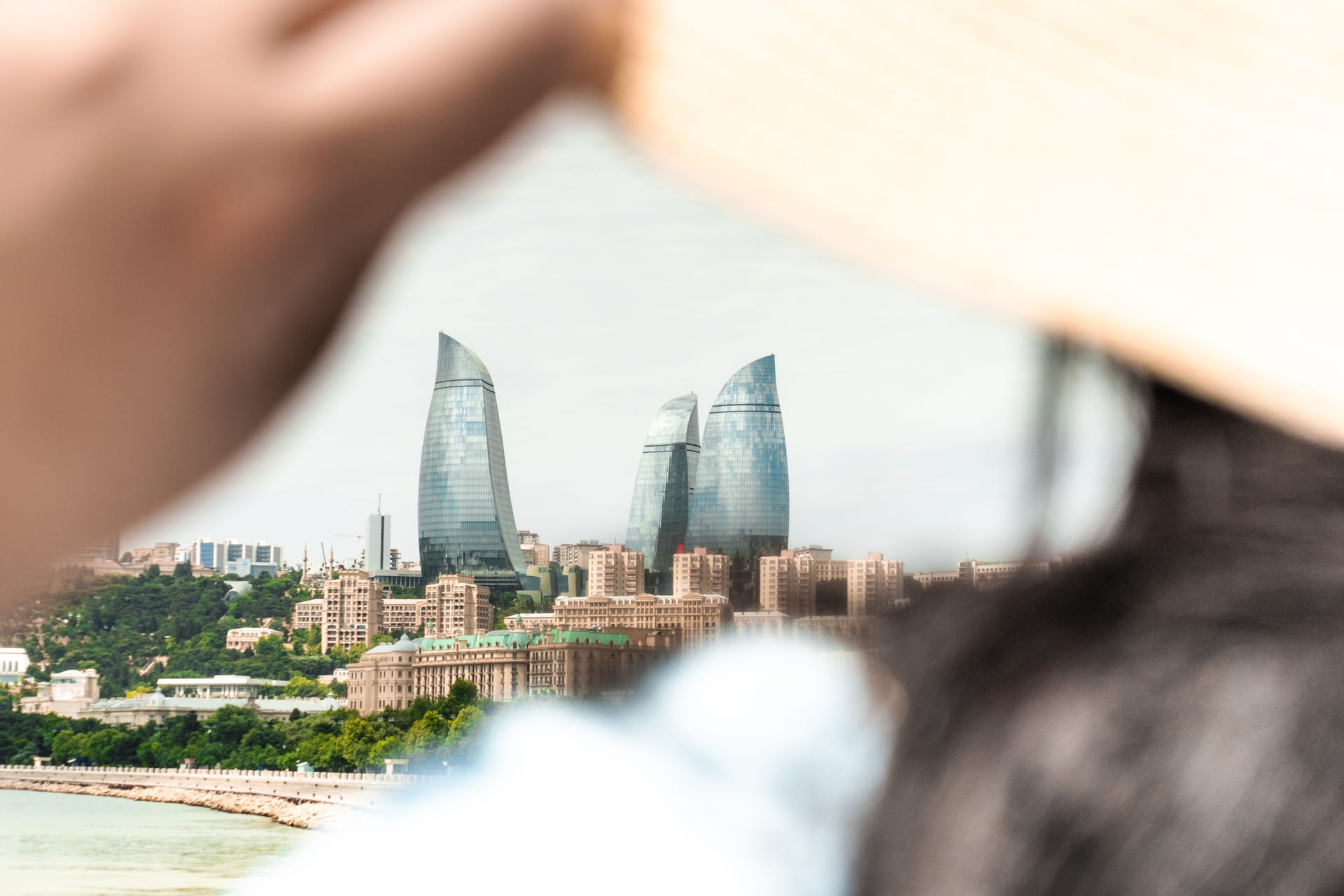
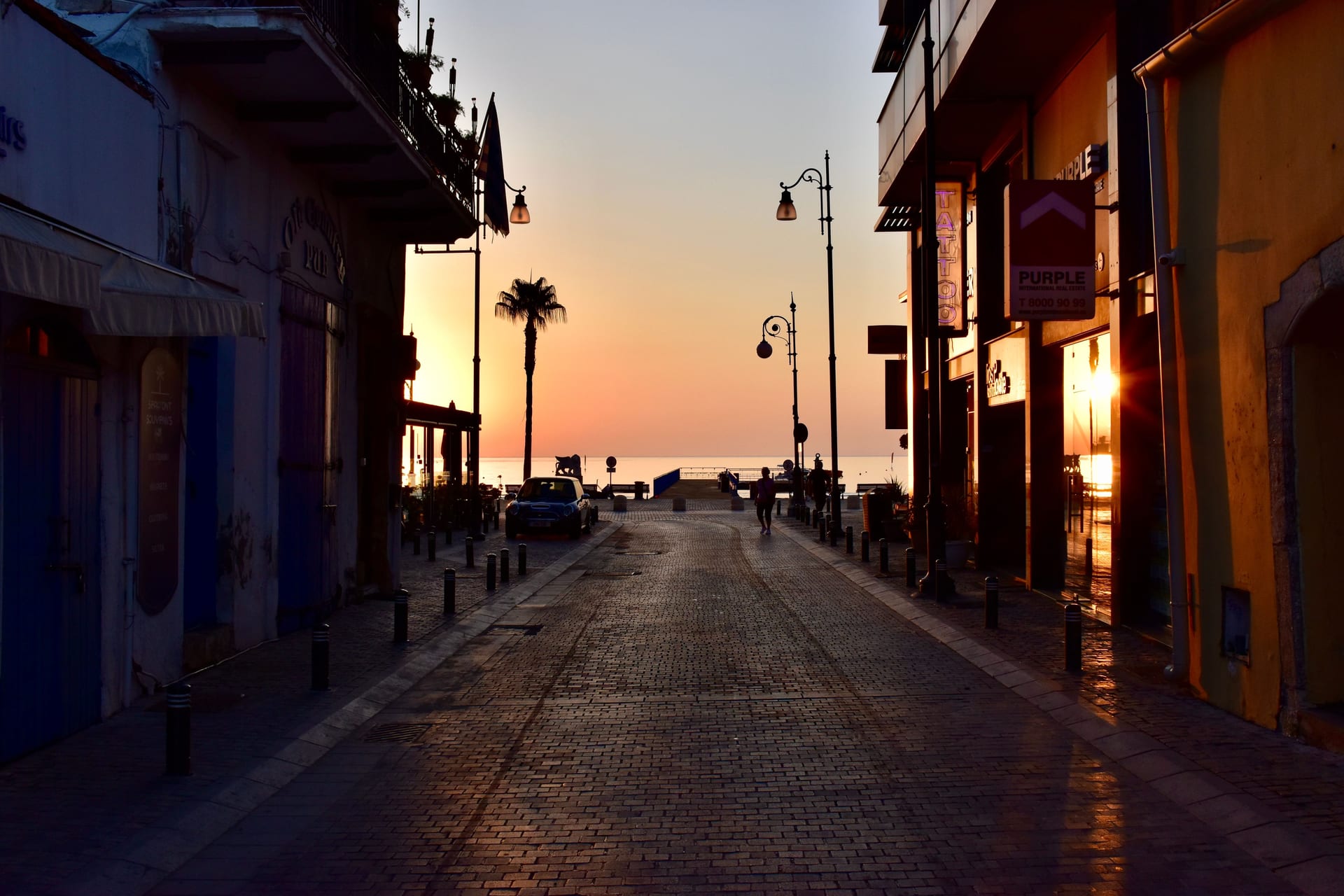
Baku is a large Caspian capital, where a historic centre and broad waterfront sit alongside a fast-changing skyline. Larnaca is a much smaller coastal city with a slower rhythm and an English-friendly EU setting; it offers less professional depth, but makes seaside routines feel ordinary rather than exceptional.
The grey shape is all 283 cities; each row says whether lower or higher is better. Ratings out of 10 are our reviewed estimates; the rest is published data. How we measure
Set how much each area counts. The ranking updates as you go. Climate and values are left out because there is no better or worse there, only your taste.
Leads on nature & outdoors, safety & health, work & family and moving & settling in; stands out for english-speaking care and a smaller language barrier.
Leads on money and city life; stands out for public transport and less bureaucracy.
Scores out of 100, averaged from the areas you weighted. For a ranking built around your own situation, take the quiz.
Rent on a new lease, everyday prices and tax.
The year month by month. Whether it suits you is yours to judge.
Solid line: average daytime high. Dashed: night-time low. Point at the chart for any month; point at a city name to shade its range.
How easily you get to water, mountains and green space.
Getting around on foot, food, culture and the feel of the streets.
Crime, how safe people feel, and the care you would get.
Jobs, working culture, schools and raising kids.
Visas, language, paperwork and staying connected.
Where each city sits. There is no right end of these scales.
Baku spreads more than it stacks, with lower density than Istanbul or Tbilisi and a real reliance on cars to get around. The old walled city and the seafront promenade are genuinely walkable, but much of the wider city assumes a vehicle.
Getting around really wants a car; walkability is patchy and there's little of the dense, mixed-use street life of a bigger place. Neighbourhoods are pleasant and roomy, but anyone craving urban buzz will find it lacking.
Street safety is a clear strength. Violent and petty crime stay low, on par with Tbilisi, and walking at night feels comfortable across most of the city.
Violent crime is rare, walking around at night feels comfortable, and traffic is calm by regional standards. The main soft spot is political stability, shaped by the island's long-running division, though daily life in the south is settled and unbothered by it.
Baku's local prospects are narrow, with limited industry breadth, few English-language roles, and a small startup scene. Healthcare is a weak spot.
Local career options are limited, with a thin market and little professional or startup depth. Care is workable rather than outstanding.
Baku has a strong sense of itself. The boulevard is free to walk and the city stays fairly cheap.
Cyprus brings a warm food culture, with good local cooking and a comfortable cafe scene, and a long-settled international crowd among the expats and remote workers. Larnaca is a tidy Cypriot resort town with a well-kept seafront.
Baku fits someone looking for capital-city scale and a more dynamic local scene. Larnaca is easier to picture for a quieter coastal life and lower-friction European landing, provided its smaller job market meets your needs.
These numbers treat everyone the same. The quiz weighs them by your budget, climate taste, family and work, and ranks all 283 cities for you.