
 Spain
 Portugal
Barcelona makes sense if
- You want the easier housing and budget equation in this comparison.
- Access to stronger healthcare matters most to you.
- You want the broader career options in this comparison.
Barcelona puts the beach, design and street life at the centre of a large Mediterranean city, though housing has become a serious constraint. Lisbon is smaller and milder, with a strong remote-work community but a thinner local job market and middling pay. Barcelona suits people seeking urban and career range; Lisbon makes more sense when work travels with you.
The grey shape is all 283 cities; each row says whether lower or higher is better. Ratings out of 10 are our reviewed estimates; the rest is published data. How we measure
Set how much each area counts. The ranking updates as you go. Climate and values are left out because there is no better or worse there, only your taste.
Leads on money, nature & outdoors and city life; stands out for mountains and running & cycling routes.
Leads on safety & health; stands out for less violent crime and less petty crime.
Scores out of 100, averaged from the areas you weighted. For a ranking built around your own situation, take the quiz.
Rent on a new lease, everyday prices and tax.
The year month by month. Whether it suits you is yours to judge.
Solid line: average daytime high. Dashed: night-time low. Point at the chart for any month; point at a city name to shade its range.
How easily you get to water, mountains and green space.
Getting around on foot, food, culture and the feel of the streets.
Crime, how safe people feel, and the care you would get.
Jobs, working culture, schools and raising kids.
Visas, language, paperwork and staying connected.
Where each city sits. There is no right end of these scales.
The grid of the Eixample is a model of livable density. The trade-off shows up indoors: apartments tend to be small, and housing space is among the tighter aspects of city life.
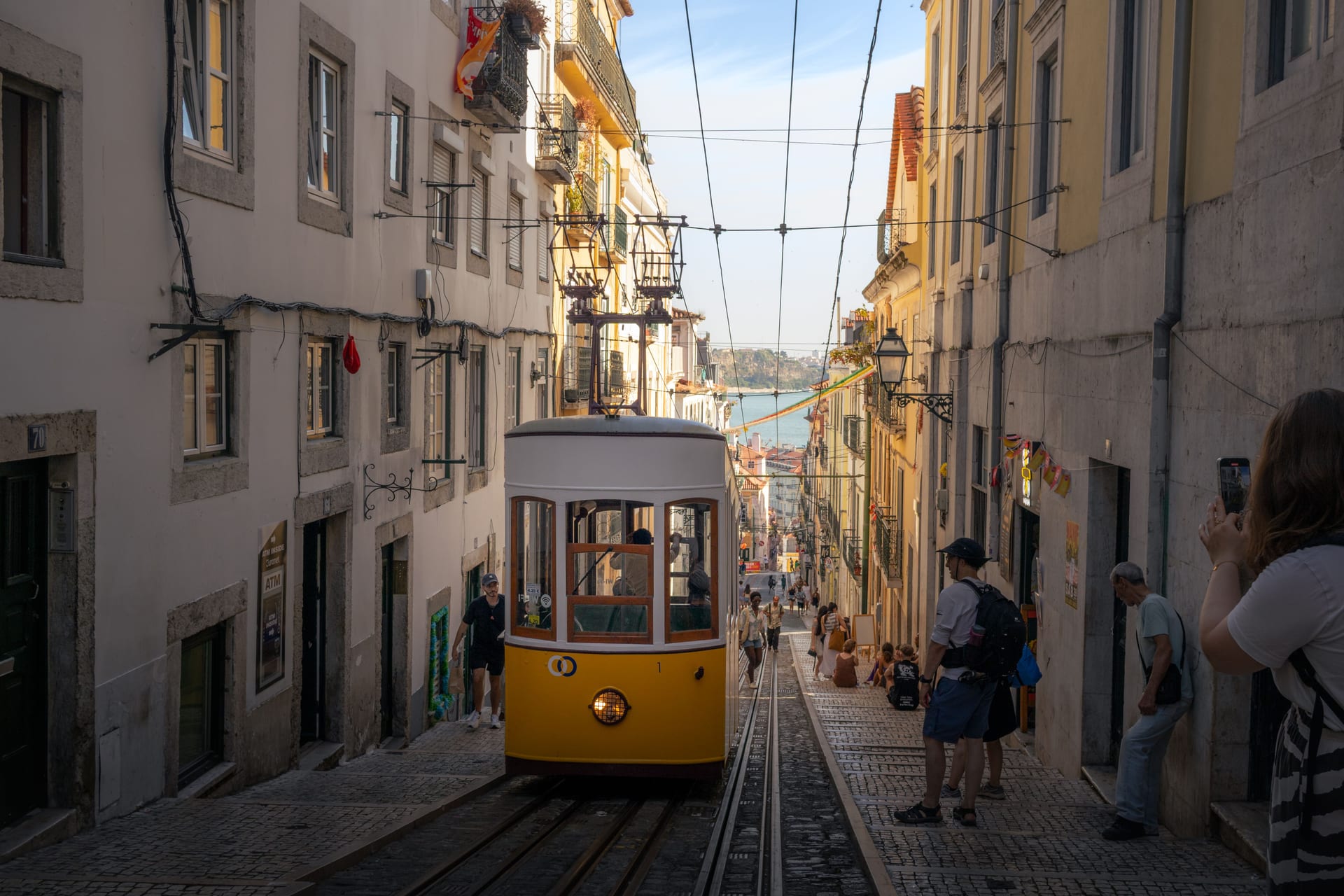
Lisbon is a walkable, low-rise capital where daily life happens on foot and a car is rarely essential. Neighbourhoods have a distinct character and street life mixes homes, shops and cafes at close quarters.
Barcelona records far more violent crime per resident than Madrid, driven mostly by street robbery, though serious violence and homicide stay rare. Pickpocketing in tourist-heavy areas and on transit is persistent and well known, so daily vigilance pays.
Safety is among the city's strongest cards. Serious and violent crime are rare, and walking around after dark feels comfortable in most areas, on a par with the safest large European capitals.
Barcelona has a workable professional market, helped by its technology and startup base and a strong remote-work culture. Healthcare is a strong point, with good public hospitals, capable specialists, and out-of-pocket costs that stay reasonable.
Local employment is the weak point: the market is modest and unemployment is relatively high, while typical local employee pay is middling. Healthcare is solid and good value.
The eating runs from neighbourhood tapas to serious modern kitchens, the cafe and nightlife culture is deep, and the art, music, and museum scene rewards staying past the tourist circuit. Barcelona is lively and litter-prone, worn at the edges in its densest central blocks.
Cafe life is woven into the day, the food scene is strong and unusually friendly to vegetarians and vegans, and there is a deep, distinctly Portuguese local identity to the place. The reward is a rich walkable realm: miradouros over the rooftops, the riverfront, praças tucked into the hills.
Lisbon is appealing if you work remotely and want a milder, slower capital with a strong international remote-work scene. Barcelona offers more local career options, healthcare and cultural depth, but securing a home can shape the whole move. Let your income source and housing plan drive the choice.
These numbers treat everyone the same. The quiz weighs them by your budget, climate taste, family and work, and ranks all 283 cities for you.