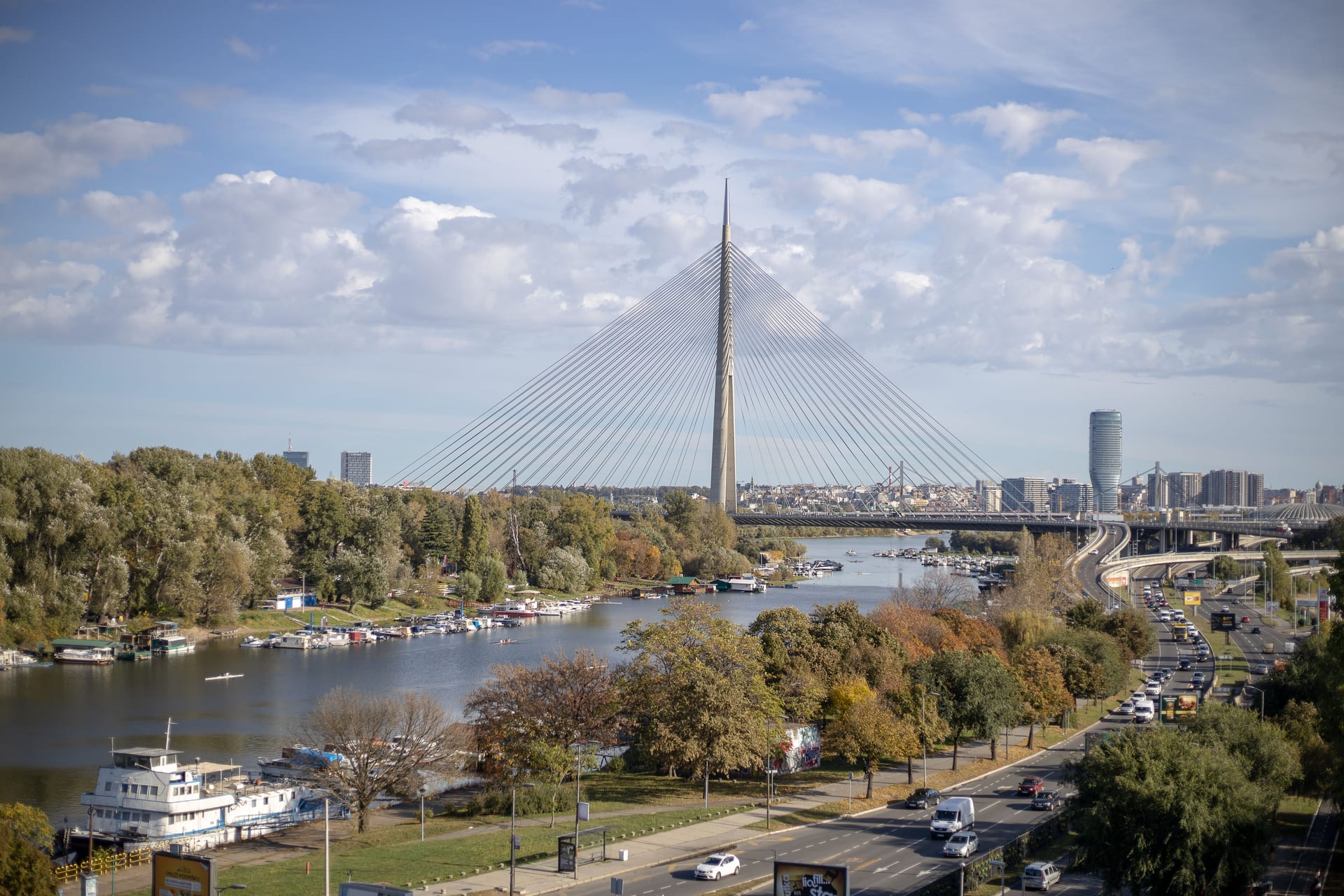
 Serbia
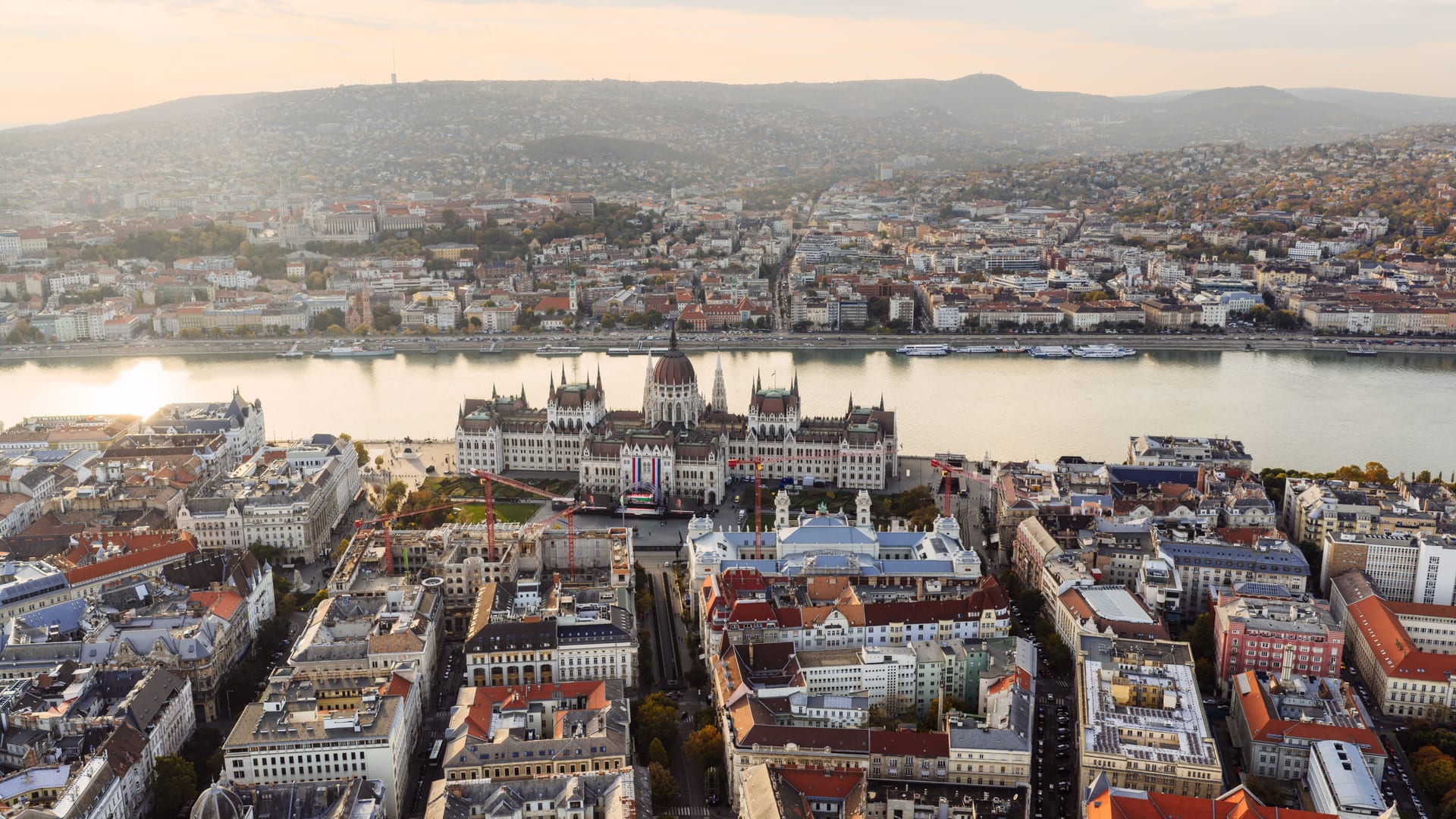
 Hungary
Belgrade makes sense if
- You want the easier housing and budget equation in this comparison.
Belgrade has a lively late-night culture, riverfront setting and lower costs, but moving there involves Serbia's non-EU status. Budapest is an elegant Central European base with a more complete job, safety and healthcare profile, and cultural life that stays active through the seasons. Winter is cold and dim in both places; outside income helps in either market.
The grey shape is all 283 cities; each row says whether lower or higher is better. Ratings out of 10 are our reviewed estimates; the rest is published data. How we measure
Set how much each area counts. The ranking updates as you go. Climate and values are left out because there is no better or worse there, only your taste.
Leads on nature & outdoors, city life, safety & health, work & family and moving & settling in; stands out for broadband speed and hiking.
Narrowly best on money: 73 vs Budapest's 72; stands out for openness to newcomers and easier visas.
Scores out of 100, averaged from the areas you weighted. For a ranking built around your own situation, take the quiz.
Rent on a new lease, everyday prices and tax.
The year month by month. Whether it suits you is yours to judge.
Solid line: average daytime high. Dashed: night-time low. Point at the chart for any month; point at a city name to shade its range.
How easily you get to water, mountains and green space.
Getting around on foot, food, culture and the feel of the streets.
Crime, how safe people feel, and the care you would get.
Jobs, working culture, schools and raising kids.
Visas, language, paperwork and staying connected.
Where each city sits. There is no right end of these scales.
Walkable at its core, with a dense, mixed old centre where shops, cafes, and flats stack together and a car stays optional. The pace runs livelier than Budapest or Lisbon without tipping into frenzy.
Budapest is built to be lived in without a car. The old core is dense and walkable, with mixed-use streets where shops, cafes, and flats stack together, and a tram-and-metro network that reaches most corners.
Street-level safety is a genuine strength. Violent crime is low, walking home at night feels fine in most areas, and residents generally report feeling secure.
Budapest is a notably safe capital. Violent crime is rare, the homicide rate is among the lowest in this peer group, and walking the central districts after dark feels comfortable to most residents.
Belgrade offers a workable base for remote earners, but local hiring is the constraint. Healthcare is functional but below the regional standard.
The local market is modest, with opportunities in shared services and technology. Healthcare here is solid but not a standout.
The nightlife is famous across the region, with riverboat clubs and bars that run later and looser than almost anywhere in Central Europe, and the cafe culture is just as serious by day. Belgrade is gritty and worn, its facades neglected and litter common.
The nightlife built around its ruin bars is genuinely distinctive, the cafe tradition runs deep, and there is a steady current of music, museums, and a strong sense of local culture. Budapest is grand but worn, its faded facades and uneven upkeep part of the charm.
Budapest is the more rounded option if you want the wider services and easier EU relocation context, and you can make the work plan fit. Belgrade suits someone who prizes nightlife and a lower-cost routine enough to handle the non-EU paperwork. Compare actual job opportunities and the winter climate, not only the city-centre appeal.
These numbers treat everyone the same. The quiz weighs them by your budget, climate taste, family and work, and ranks all 283 cities for you.