
Living in Belgrade
Belgrade is one of the cheapest capitals in the region, with the kind of late-night energy that draws people in long before the paperwork sorts itself out. Set where the Sava meets the Danube, it trades EU polish for low costs, easy living, and a nightlife reputation that outpaces Budapest and Prague. The catch is Serbia's non-EU status, which complicates the move.
Belgrade at a glance
Vital stats
Shown in USD: the local currency (RSD) moves too fast for stable monthly figures.
Where Belgrade stands out
The metrics where Belgrade sits farthest from the middle worldwide, good and bad.
Cheap to arrive, expensive to stay?
A typical one-bedroom in Belgrade runs $490/mo. That is ~59% of one typical local employee’s mean net pay. This is a solo-newcomer stress test: sitting tenants, shared homes, subsidised housing and informal rents are deliberately outside the numerator.
The fastest way to test a shortlist is to go. A week on the ground tells you things no ranking can.
Partner link
Approved language-learning and international money resources for practical next steps.
Daily life in Belgrade
How Belgrade scores
Category by category
Affordability
71/100Belgrade's open-market one-bedroom rent on a new lease is about $490 per month. That is roughly 59% of one typical employee's mean net pay, a rent burden labelled sharing likely.
Climate
temperateBelgrade has a cold, dark-leaning winter, but it also gets about 215 bright days and roughly 89 rainy-grey days. Summers are warm and can feel humid, while winter light remains the harder trade-off.
Nature access
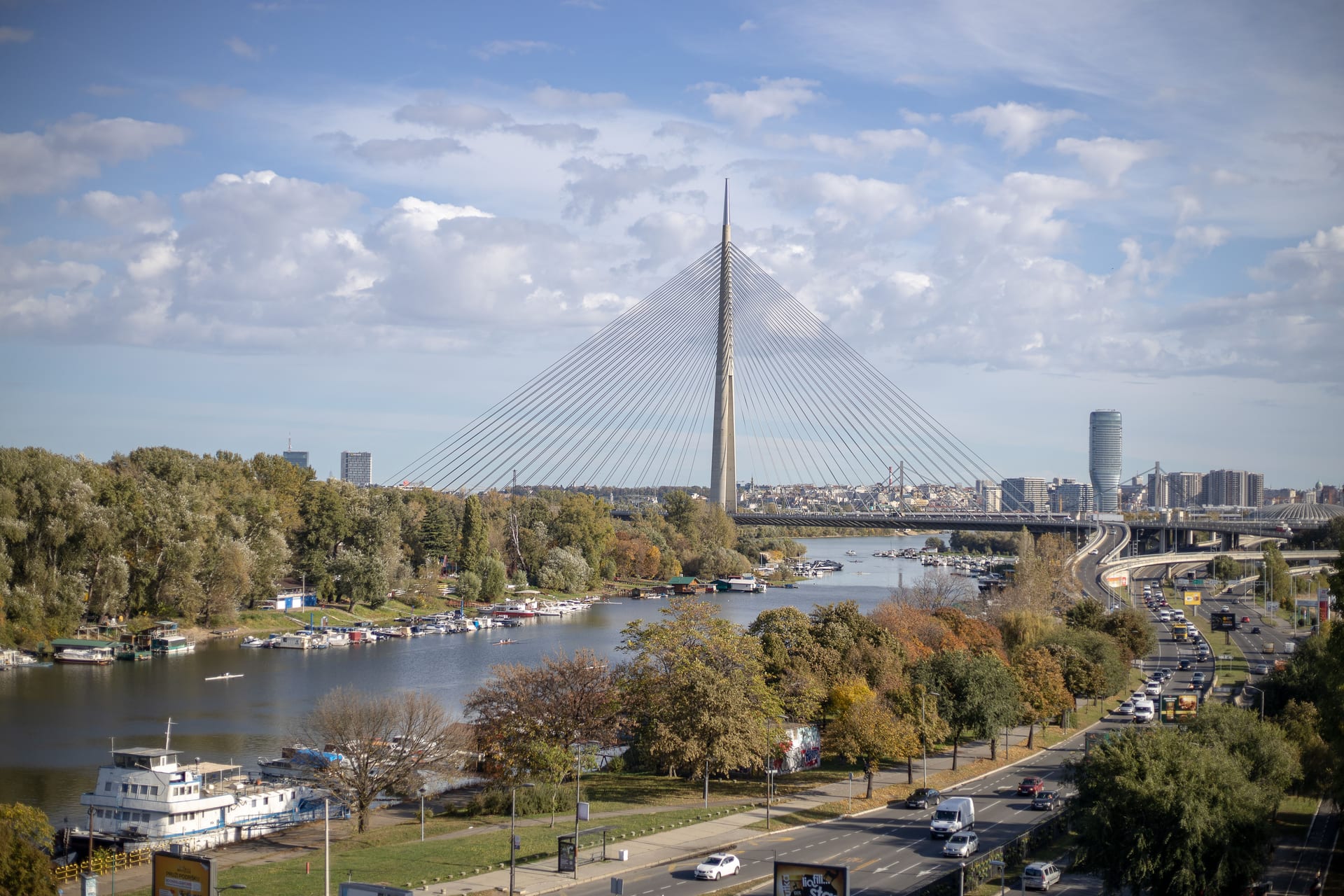
lakes & riversThe rivers are the headline. Sitting at the confluence of the Sava and Danube, Belgrade has water and riverside walks built into daily life, plus the wooded hill of Košutnjak close to the centre. Beyond that, nature is thinner: no coast within reach, modest green space per resident, and only middling mountains and hiking for weekend escapes.
Urban form
large cityWalkable at its core, with a dense, mixed old centre where shops, cafes, and flats stack together and a car stays optional. The pace runs livelier than Budapest or Lisbon without tipping into frenzy. Step outside the centre, though, and the urban quality drops off fast, with patchy outer districts and unremarkable suburbs.
Public life & spaces
52/100Belgrade is gritty and worn, its facades neglected and litter common. Public space is rough but real — Knez Mihailova, the Kalemegdan fortress, the riverfronts. The pull is cost and energy: the city is very cheap, its nightlife legendary, its festivals and riverside life almost entirely free.
Safety
67/100Street-level safety is a genuine strength. Violent crime is low, walking home at night feels fine in most areas, and residents generally report feeling secure. The weak spot is the bigger picture: regional politics, Kosovo tensions, and periodic protests make for a less stable backdrop than the calmer EU capitals nearby.
Healthcare
53/100Healthcare is functional but below the regional standard. Public hospitals exist and emergency care is reachable, yet doctor availability is stretched and overall quality trails Prague and Berlin. Many expats lean on private clinics, where English is easier to find and out-of-pocket costs, while real, stay manageable by Western measures.
Family life
50/100Workable for families rather than ideal. Children are safe, parks and childcare are within reach, and family-sized flats cost far less than in Western Europe. State schools lag the regional standard, which pushes many international families toward private or bilingual options, and the work-life rhythm is decent without being especially family-first.
Career
55/100Belgrade offers a workable base for remote earners, but local hiring is the constraint. Local pay is low, and the job market, professional networks, and startup scene are modest. English-language roles exist, yet the city is easier for someone with portable work than for those job-hunting locally.
Culture & food
72/100This is Belgrade's calling card. The nightlife is famous across the region, with riverboat clubs and bars that run later and looser than almost anywhere in Central Europe, and the cafe culture is just as serious by day. Restaurants are plentiful and cheap, leaning hearty and meat-forward; vegans and vegetarians will find the options thinner.
Ease of integration
52/100Serbian is the working language of daily life, and while younger people and the hospitality world speak solid English, getting beyond surface friendliness usually means learning some Cyrillic and Serbian. Locals are warm and welcoming to foreigners, more so than in many neighbouring capitals, though the international community is still modest and integration rewards genuine effort.
Connectivity
44/100The soft spot in an otherwise easy city. Public transport is dated and patchy, cycling lanes are sparse, and home internet trails what newcomers expect from the rest of Europe. Traffic clogs at rush hour, and the airport connects decently but not generously. Utilities are reliable enough; the wider plumbing of the city just feels a step behind.
Social values
mixedSocially conservative and traditional in tenor, closer to Warsaw than to Berlin or Prague. Religion and custom carry real weight in public life, attitudes on gender and on LGBTQ acceptance lag the liberal end of Europe, and civic trust runs low. Openness to foreigners is a relative bright spot, but progressive newcomers should expect a more conventional climate.
Relocation ease
57/100The big hurdle is that Serbia sits outside the EU, so visas and work authorization take more effort than in Warsaw or Budapest, with no bloc-wide shortcut. Banking and general bureaucracy run slow, and the Serbian language adds friction. On the upside, finding a flat is refreshingly easy and the day-to-day cultural adjustment is gentle.
The trade-offs
A year in Belgrade
Jul peaks around 31°C, Jan days top out near 5°C, and the year brings roughly 215 bright days.
Can you actually move here?
The hard limits people most often bring to a move, scored against Belgrade's data.
Moving with a pet
Bringing a pet into Serbia is moderately straightforward, harder than the EU route but a long way from the toughest destinations. Standard vaccinations, microchipping, and paperwork apply, with non-EU status adding a step or two to plan around.
Who Belgrade works for
Answer the questionnaire and see where Belgrade lands for you.
Take the free questionnaireWhere else to look
Belgrade vs. comparable cities


The cities people weigh against Belgrade
Unexpected siblings
Far from Belgrade on the map, close across all 14 categories of daily life.


