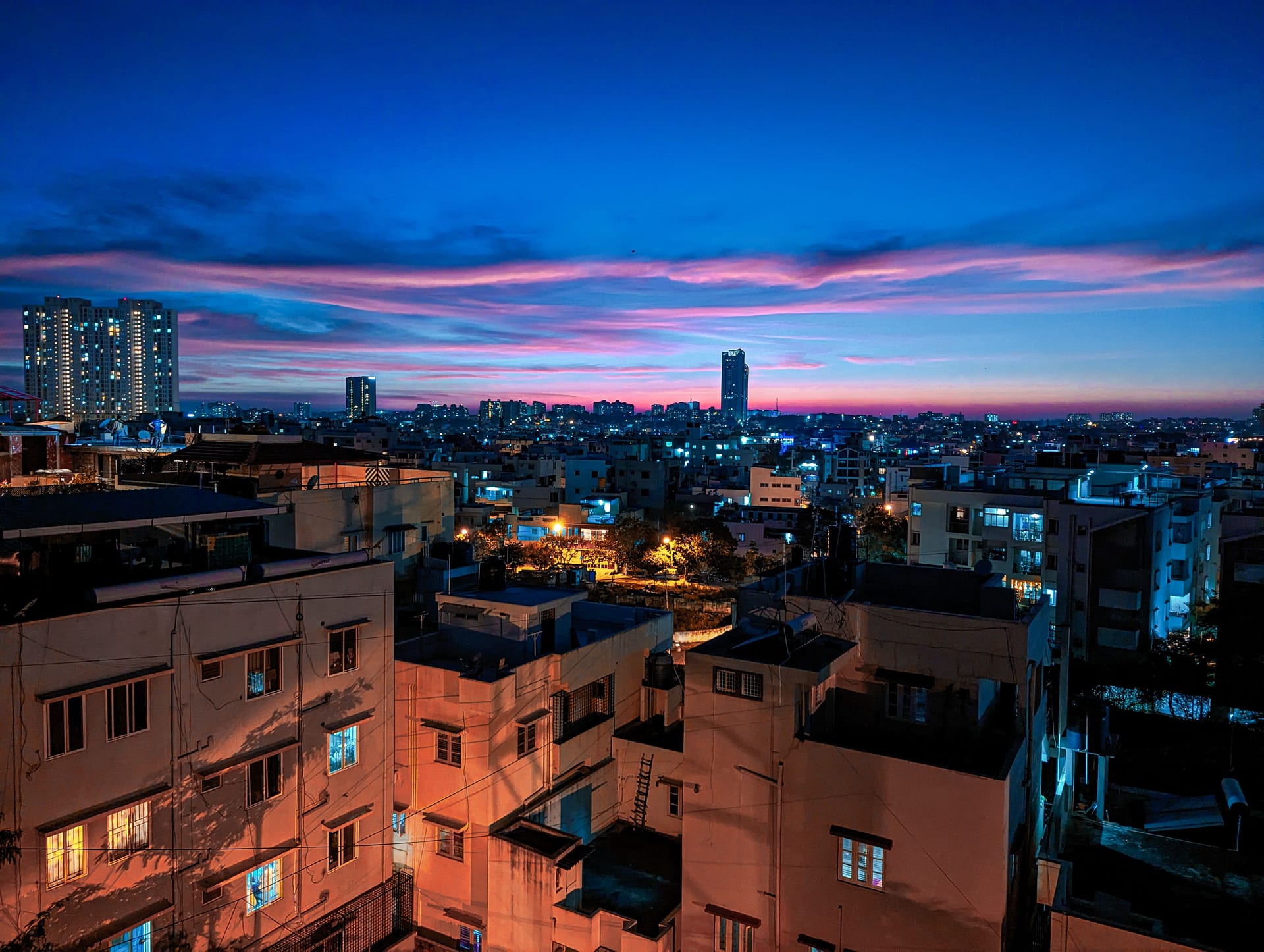
 India
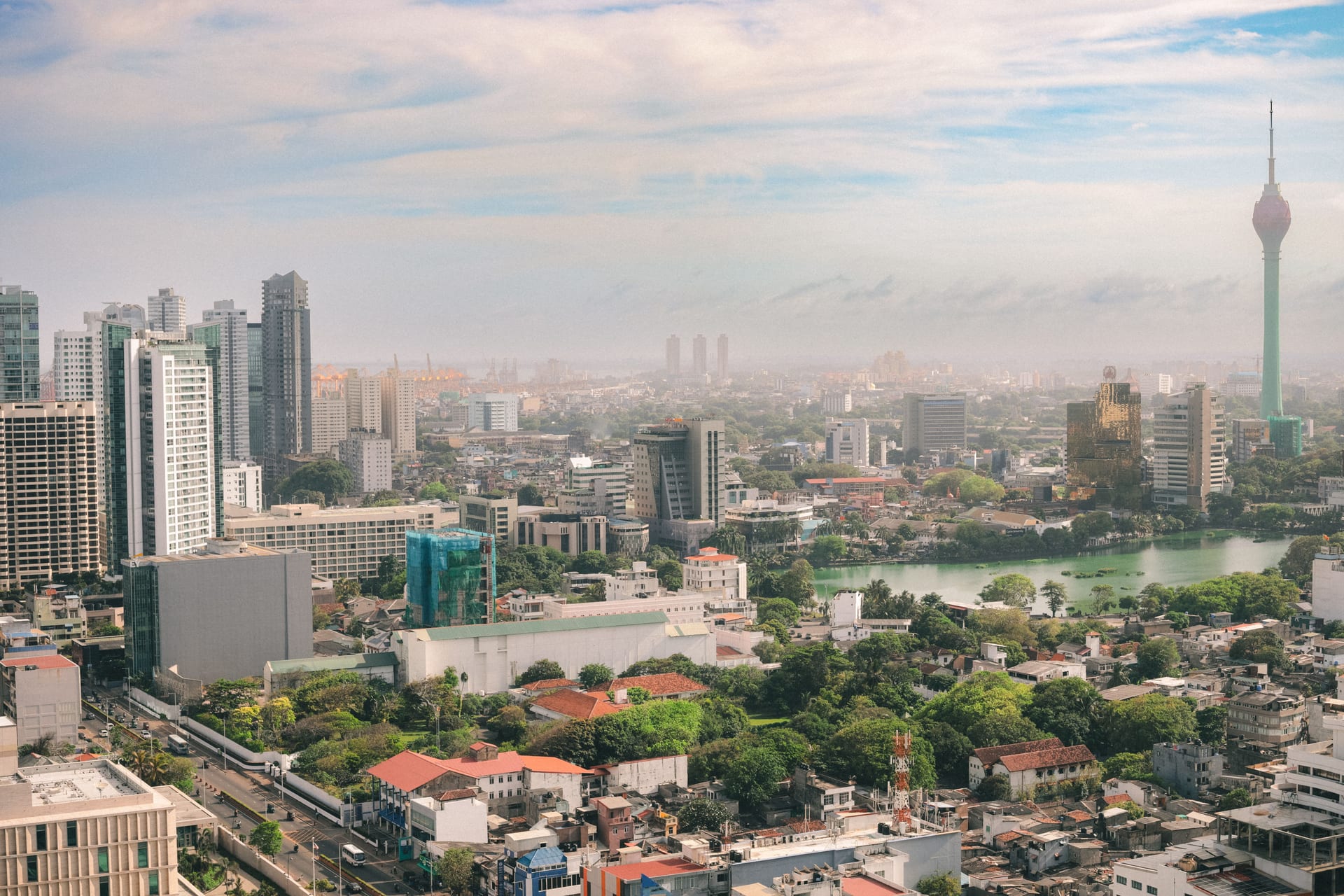
 Sri Lanka
Bengaluru makes sense if
- You want the easier housing and budget equation in this comparison.
- You want the broader career options in this comparison.
- You want the deeper culture and food scene.
Bengaluru is a large Indian technology hub with a deep professional network, lively restaurant scene and notorious traffic. Colombo has a smaller, coastal capital-city feel, with colonial-era districts and oceanfront promenades; its economy is narrower and imported goods can be costly, but the sea is woven into daily life.
The grey shape is all 283 cities; each row says whether lower or higher is better. Ratings out of 10 are our reviewed estimates; the rest is published data. How we measure
Set how much each area counts. The ranking updates as you go. Climate and values are left out because there is no better or worse there, only your taste.
Leads on money and work & family; stands out for startup & tech scene and milder summers.
Leads on nature & outdoors, city life and safety & health; stands out for beach & sea and public spaces.
Scores out of 100, averaged from the areas you weighted. For a ranking built around your own situation, take the quiz.
Rent on a new lease, everyday prices and tax.
The year month by month. Whether it suits you is yours to judge.
Solid line: average daytime high. Dashed: night-time low. Point at the chart for any month; point at a city name to shade its range.
How easily you get to water, mountains and green space.
Getting around on foot, food, culture and the feel of the streets.
Crime, how safe people feel, and the care you would get.
Jobs, working culture, schools and raising kids.
Visas, language, paperwork and staying connected.
Where each city sits. There is no right end of these scales.
Neighbourhoods vary wildly block to block, and the pace runs busy without the relentless intensity of Mumbai. Mixed-use pockets exist, but stitched-together sprawl is the dominant texture.
Colombo has a small, dense core that feels more like a compact port city than a sprawling metro, calmer in pace than Bangkok. It leans heavily on cars and tuk-tuks, walkability is poor, and homes tend to be cramped.
Violent crime is low and the city feels safe by the standards of large metros, with homicide rates that hold up well. Petty theft and street-level wariness after dark are the everyday concerns rather than serious danger.
Day-to-day safety is reasonably comfortable, with serious violence and petty crime both contained and most people able to move around without constant caution. Traffic is the practical hazard, while the wider political environment is less predictable.
For technology and engineering, Bengaluru offers a deep market with strong professional networks, English-language roles, and a substantial startup base. Private hospitals are solid and many staff speak English fluently, which smooths things for newcomers used to navigating care in their own language.
Colombo has some English-language and remote-friendly work, but the local market is small, with limited industry depth and thin professional networks. Healthcare is middling.
Food is the standout, with one of the best vegetarian and vegan scenes anywhere, alongside strong cafes and a restaurant culture that spans regional Indian cooking and global imports. Bengaluru's tech money hasn't reached the streets: litter, garbage piles and traffic grime are everywhere, and quality public space is thin beyond Cubbon Park and a car-choked MG Road.
Sri Lankan food and culture are the strength here, distinctive, deeply rooted, and easy to dip into when so many people speak English. Colombo feels cleaner than India's metros, its upkeep slowly improving since the war.
Bengaluru is stronger for technology work and career progression. Colombo is attractive for a coastal urban routine and a smaller scale, particularly for remote workers or those with a role already secured.
These numbers treat everyone the same. The quiz weighs them by your budget, climate taste, family and work, and ranks all 283 cities for you.