 Norway
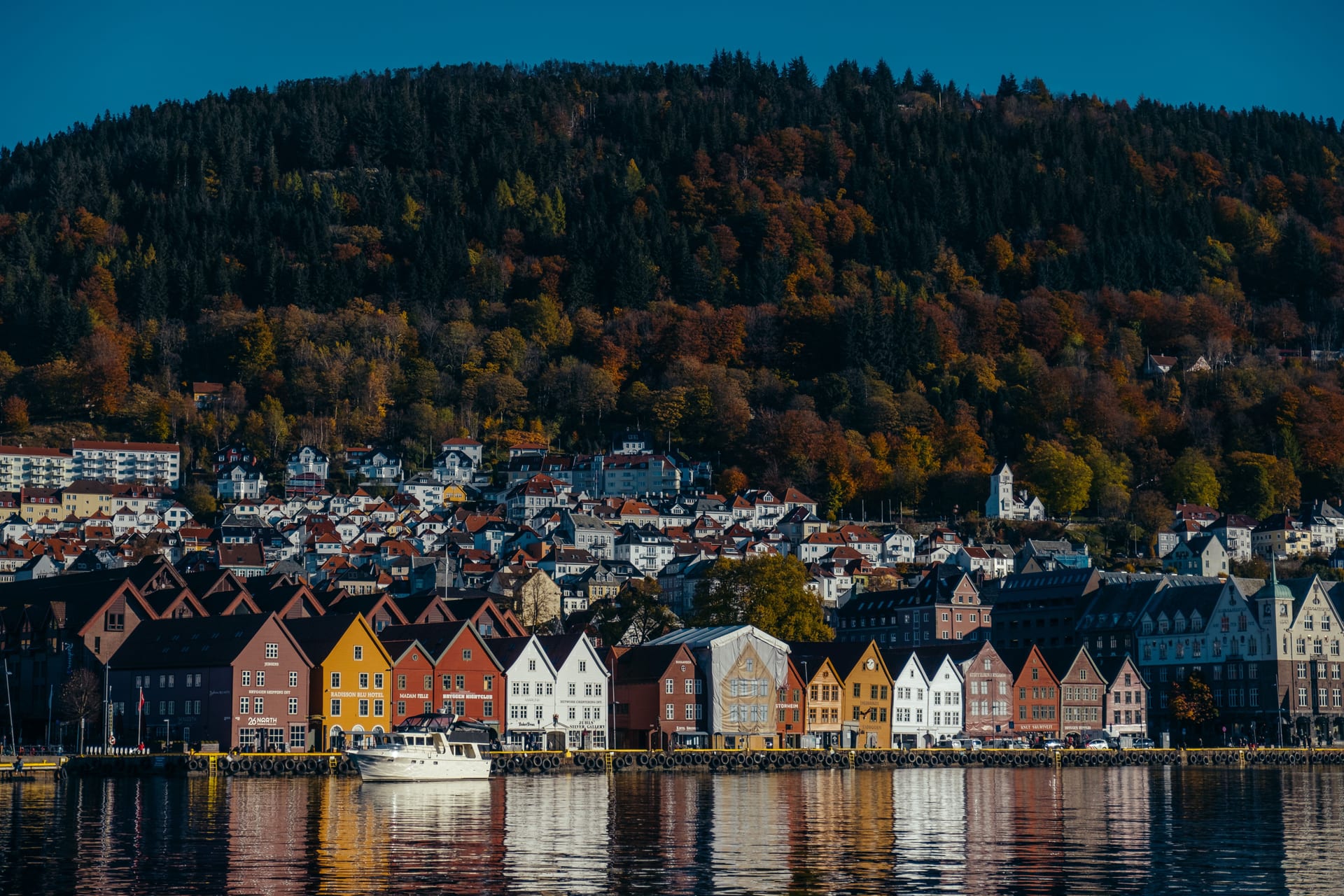
Bergen makes sense if
- You want the easier housing and budget equation in this comparison.
- A calmer day-to-day safety profile matters most to you.
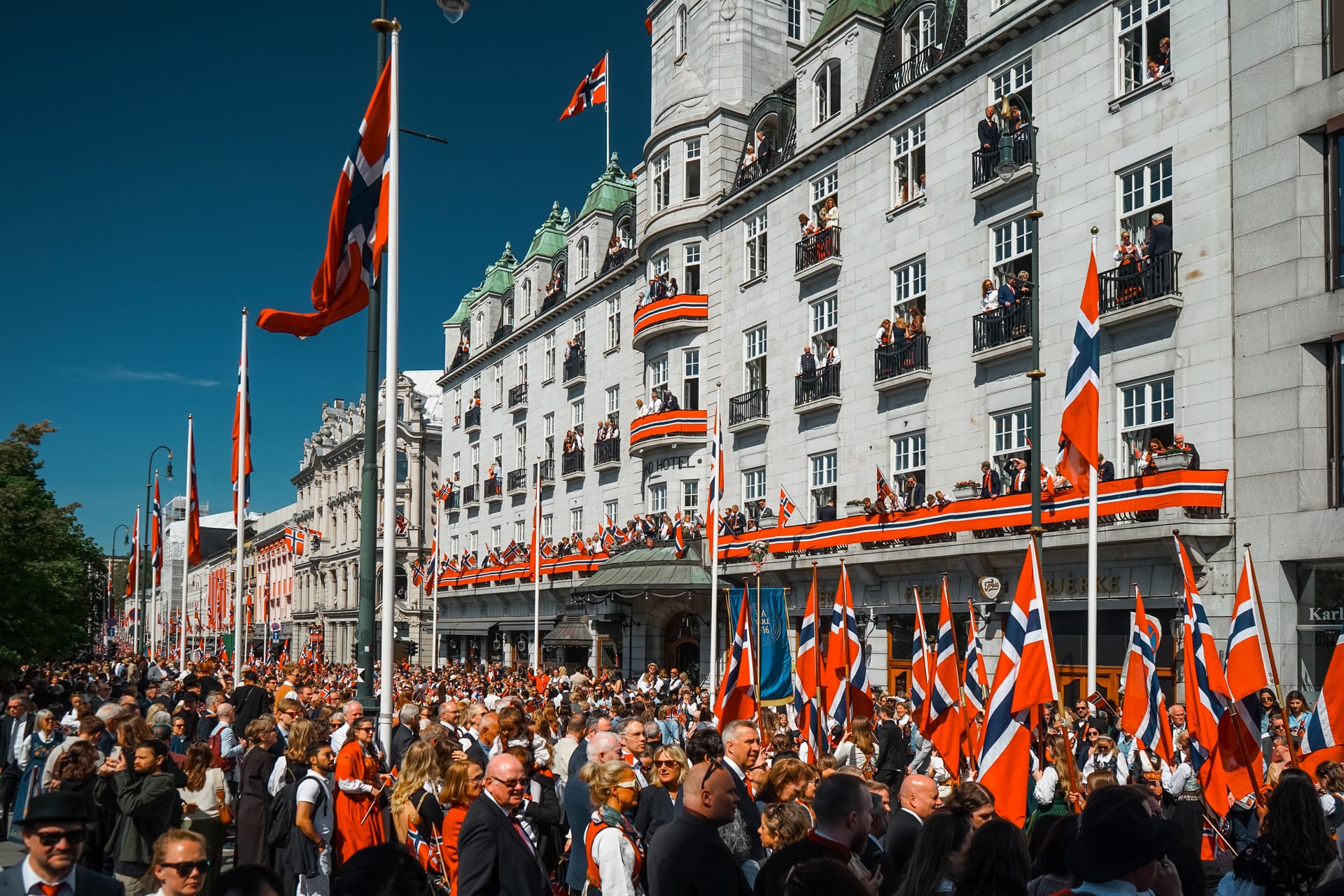
Bergen is a compact fjord-side base where outdoor life sits close to town, but rain and a dark winter shape the year. Oslo offers a larger capital job market with metro access to both forest and fjord, and more career and cultural choice. Bergen is cheaper to house; Oslo is stronger for a career-led move.
The grey shape is all 283 cities; each row says whether lower or higher is better. Ratings out of 10 are our reviewed estimates; the rest is published data. How we measure
Set how much each area counts. The ranking updates as you go. Climate and values are left out because there is no better or worse there, only your taste.
Leads on work & family and moving & settling in; stands out for beach & sea and cycling infrastructure.
Narrowly best on money: 63 vs Oslo's 60; stands out for less petty crime and mountains.
Scores out of 100, averaged from the areas you weighted. For a ranking built around your own situation, take the quiz.
Rent on a new lease, everyday prices and tax.
The year month by month. Whether it suits you is yours to judge.
Solid line: average daytime high. Dashed: night-time low. Point at the chart for any month; point at a city name to shade its range.
How easily you get to water, mountains and green space.
Getting around on foot, food, culture and the feel of the streets.
Crime, how safe people feel, and the care you would get.
Jobs, working culture, schools and raising kids.
Visas, language, paperwork and staying connected.
Where each city sits. There is no right end of these scales.
Bergen's walkable centre puts homes and shops between the harbour and the hills. Beyond the core, the built-up area spreads thinly, making a car more useful.
Oslo is small and low-rise, a walkable city you can cross on foot or by metro without much thought. Density is light, neighbourhoods feel settled and well kept, and car dependency is minimal.
Violent and petty crime are rare, the streets feel secure after dark, and traffic safety and political stability are strong. Daily trips rarely require much thought about personal safety.
Serious crime is rare, the streets feel safe to walk after dark, and traffic is handled with real care. Add a stable, trusted political backdrop and Oslo becomes the kind of place where safety simply stops being something residents think about.
Bergen has a steady but specialised market, with reasonable openings in its established industries and low unemployment. Care quality is excellent and broadly free at the point of use, with reliable emergency services and staff who switch to English readily.
People who secure a role can expect local pay that is high by this comparison's standards. The public system is strong and dependable, with high-quality care and emergency services people can count on.
The cafe scene is genuinely good and the music and arts life punches above the city's size, but the broader cultural offer is modest. Bergen is clean, its colourful clapboard streets rinsed regularly by the rain.
The cafe culture is strong and the museum and arts offering is respectable, anchored by Oslo's waterfront cultural quarter. Oslo is a clean, wealthy capital, well maintained throughout.
Choose Oslo if you need the capital's broader employment base and will use its sea and forest access. Bergen fits someone who values a compact fjord setting and lower housing pressure enough to accept persistent rain and fewer local options. Compare where work is available with how much weather affects you.
These numbers treat everyone the same. The quiz weighs them by your budget, climate taste, family and work, and ranks all 283 cities for you.