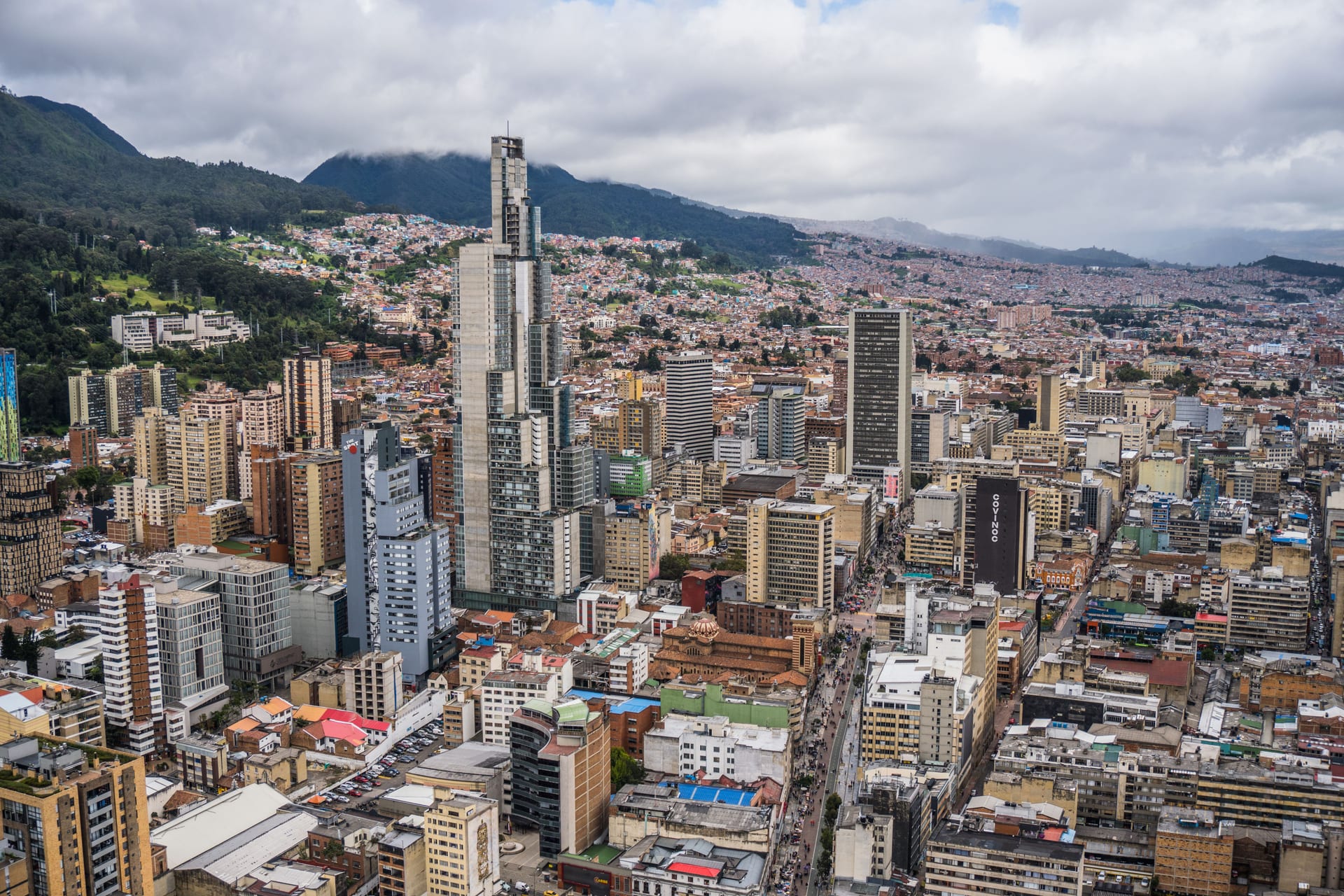
 Colombia
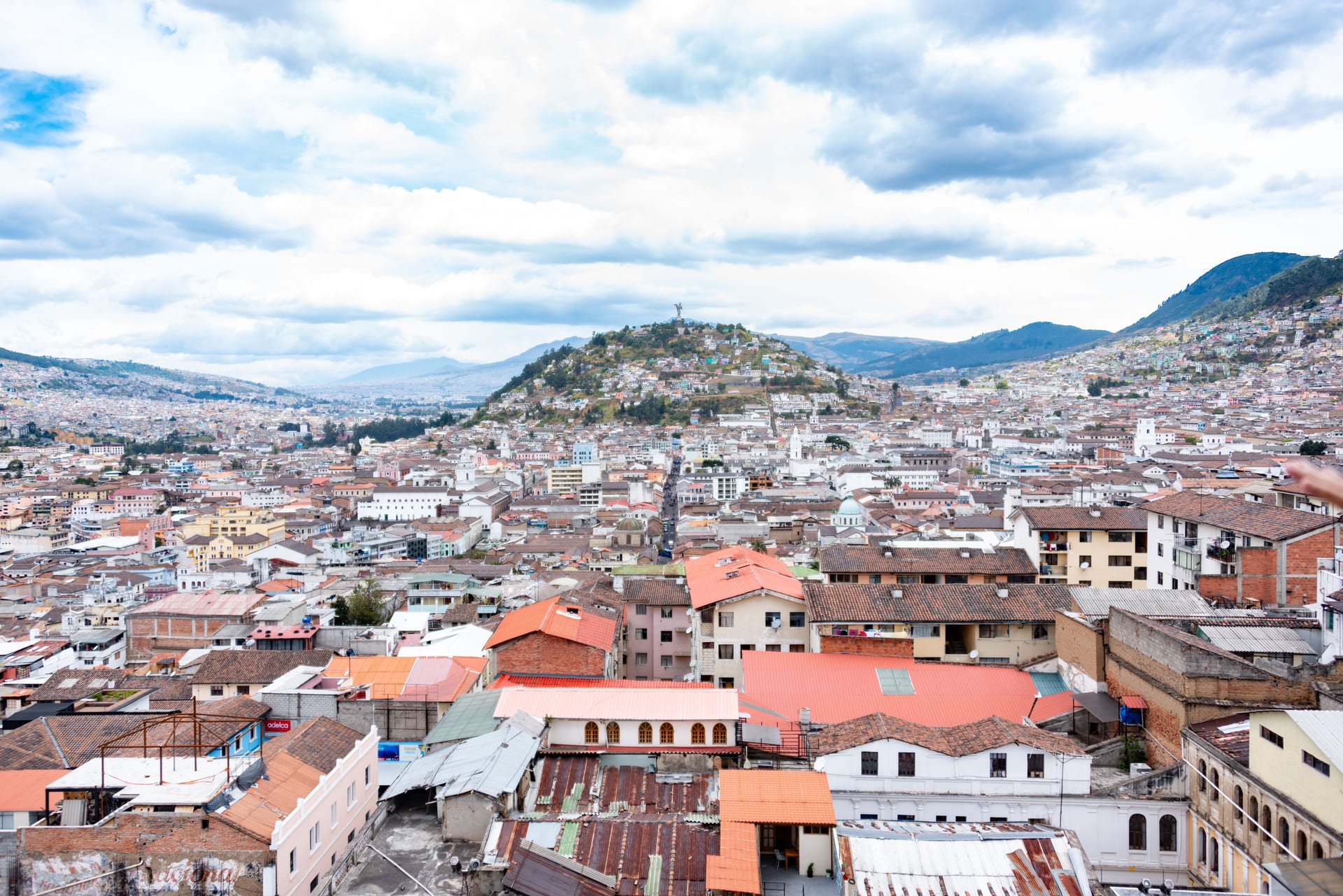
 Ecuador
Bogotá makes sense if
- Access to stronger healthcare matters most to you.
- You want the broader career options in this comparison.
- You want the deeper culture and food scene.
Bogotá has a larger professional and service base, with cool, overcast weather and a need for Spanish in daily life. Quito's high-Andean setting brings mild spring-like temperatures and a gentler pace, but altitude, safety and a narrow job market are real considerations. The choice is more local opportunity or a quieter mountain capital with income already arranged.
The grey shape is all 283 cities; each row says whether lower or higher is better. Ratings out of 10 are our reviewed estimates; the rest is published data. How we measure
Set how much each area counts. The ranking updates as you go. Climate and values are left out because there is no better or worse there, only your taste.
Leads on work & family; stands out for cycling infrastructure and music & art scene.
Leads on nature & outdoors; stands out for less petty crime and less violent crime.
Scores out of 100, averaged from the areas you weighted. For a ranking built around your own situation, take the quiz.
Rent on a new lease, everyday prices and tax.
The year month by month. Whether it suits you is yours to judge.
Solid line: average daytime high. Dashed: night-time low. Point at the chart for any month; point at a city name to shade its range.
How easily you get to water, mountains and green space.
Getting around on foot, food, culture and the feel of the streets.
Crime, how safe people feel, and the care you would get.
Jobs, working culture, schools and raising kids.
Visas, language, paperwork and staying connected.
Where each city sits. There is no right end of these scales.
Neighbourhoods vary widely in character and quality. Walkability is patchy and a car still helps in much of the city, even as mixed-use districts give central areas a real street life.
Quito stretches out as a long, low-rise city draped across the valleys, so density is modest and getting around often means leaning on a car. Neighbourhoods and mixed-use streets are workable but walkability is uneven.
Safety is the hard part of living in Bogotá. Petty crime and street theft are common, and perceived safety after dark stays low, lower than in Medellín.
Serious street awareness is still necessary in Quito. Traffic is another genuine hazard, and the political backdrop adds uncertainty to daily life.
Bogotá has a credible local market and a real startup and technology base. Doctor availability is stretched and emergency reliability is uneven, so the private system carries much of the load.
Local employment is the hard part. Care is serviceable rather than excellent.
Culture is where Bogotá comes alive, with serious museums, a strong music and art scene, dense nightlife, and a café culture fed by the country's coffee. Bogota is grimy in patches and unevenly kept, though central zones are slowly improving.
Quito carries one of South America's best-preserved colonial old towns and a genuine local culture rooted in Andean and Ecuadorian traditions. Quito's UNESCO old town is magnificent, plaza after plaza of colonial churches and squares, though the dense fabric around them shows uneven upkeep and altitude grit.
Quito appeals if you want mountain scenery, mild weather and a slower rhythm, and have work sorted before arrival. Bogotá offers more local career and healthcare options, though pay is limited and grey skies persist. Factor altitude, safety and language into the decision, not only the lower cost of the Ecuadorian capital.
These numbers treat everyone the same. The quiz weighs them by your budget, climate taste, family and work, and ranks all 283 cities for you.