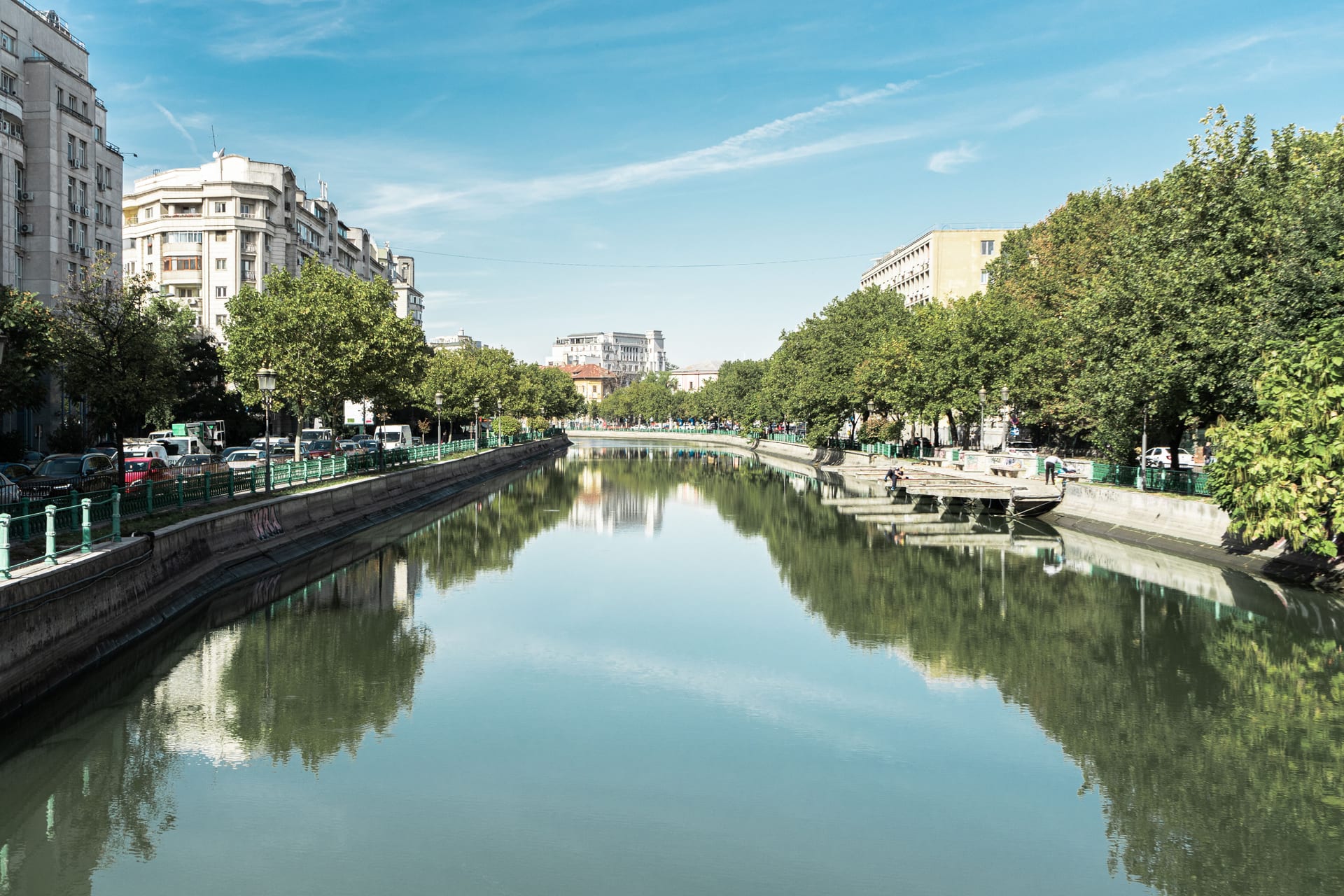
 Romania
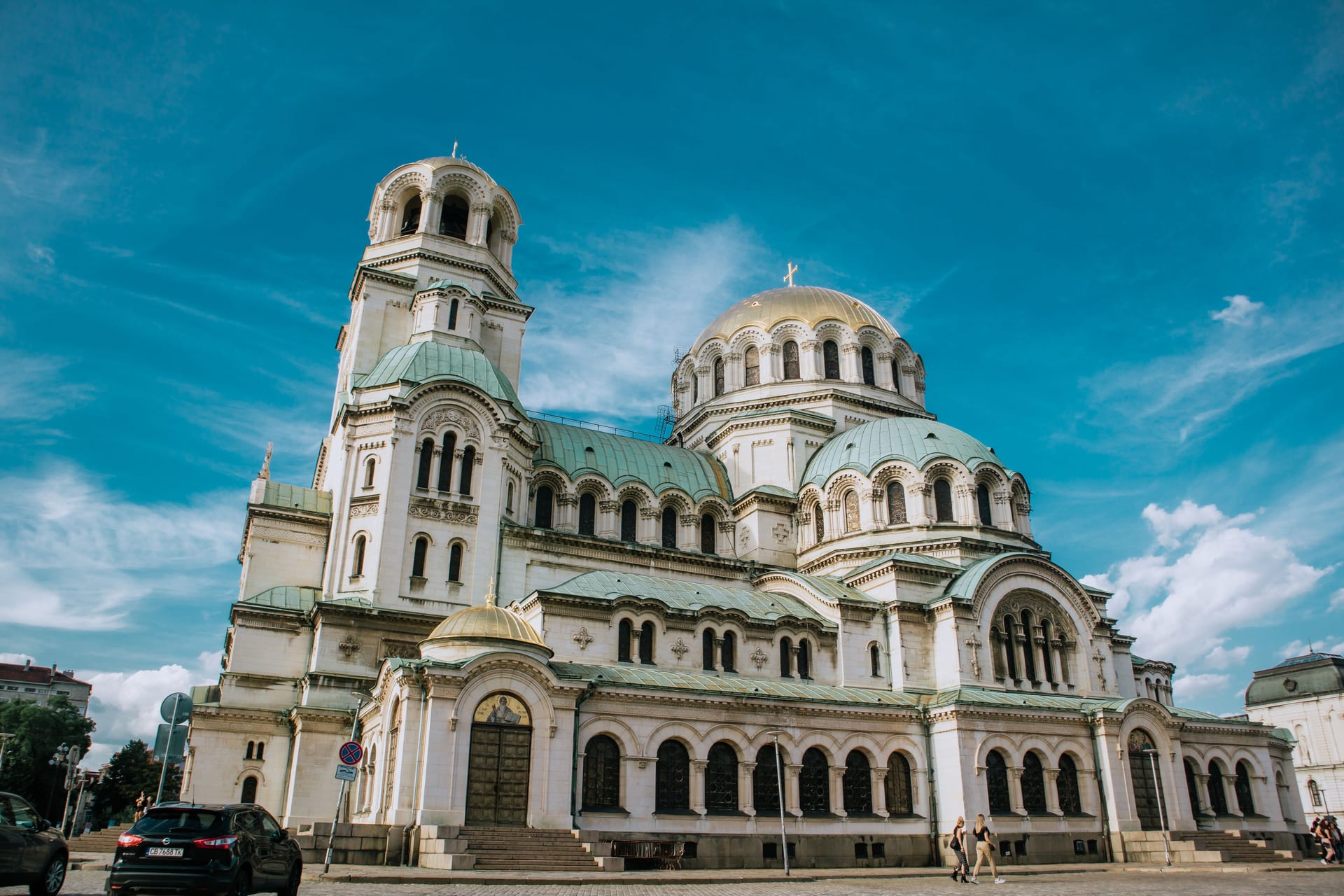
 Bulgaria
Bucharest makes sense if
- You want the broader career options in this comparison.
- You want the deeper culture and food scene.
Bucharest combines a broad labour market with a grand, sometimes chaotic capital layout. Sofia sits under Vitosha, putting mountain paths close to city routines, and has a calmer, more modest professional scene.
The grey shape is all 283 cities; each row says whether lower or higher is better. Ratings out of 10 are our reviewed estimates; the rest is published data. How we measure
Set how much each area counts. The ranking updates as you go. Climate and values are left out because there is no better or worse there, only your taste.
Leads on money and nature & outdoors; stands out for mountains and hiking.
Leads on moving & settling in; stands out for beach & sea and broadband speed.
Scores out of 100, averaged from the areas you weighted. For a ranking built around your own situation, take the quiz.
Rent on a new lease, everyday prices and tax.
The year month by month. Whether it suits you is yours to judge.
Solid line: average daytime high. Dashed: night-time low. Point at the chart for any month; point at a city name to shade its range.
How easily you get to water, mountains and green space.
Getting around on foot, food, culture and the feel of the streets.
Crime, how safe people feel, and the care you would get.
Jobs, working culture, schools and raising kids.
Visas, language, paperwork and staying connected.
Where each city sits. There is no right end of these scales.
Central districts are walkable enough, but neighbourhood quality and the suburbs are uneven, and traffic shapes daily life. The pace is middling, busier than smaller Romanian cities yet calmer than the continent's largest metros.
Sofia is a mid-sized capital with a walkable core but a patchier feel as you move outward. Neighbourhood quality and the suburbs are uneven, and the mix of housing and street life is decent without rivalling Prague or Budapest.
Serious violent crime is rare, and Bucharest reads as a safe place by most measures, including after dark. Pickpocketing and opportunistic theft turn up in crowded spots, as in any large capital, so ordinary caution applies.
Sofia is a safe city by most measures. Serious violent crime is very rare, traffic safety is solid, and walking around feels comfortable day to day.
Bucharest has a relatively broad local job market, with good English-language coverage and strong support for remote work. Healthcare is the weaker side of the ledger.
Sofia's local market is modest, with limited industry breadth and professional-network depth. Healthcare is the soft spot.
Nightlife is the headline here, livelier and later than in most cities its size, with a dense run of bars and clubs in the old town. Bucharest is chaotic and grimy, upkeep uneven and grime collecting along its grand socialist boulevards.
Sofia's cultural life is solid without being a major draw. Cared-for public space is thin on the ground.
Bucharest is the stronger pick for a wider range of local work. Sofia suits someone who wants quick access to the mountain and lower housing costs, and who is comfortable with a narrower job market.
These numbers treat everyone the same. The quiz weighs them by your budget, climate taste, family and work, and ranks all 283 cities for you.