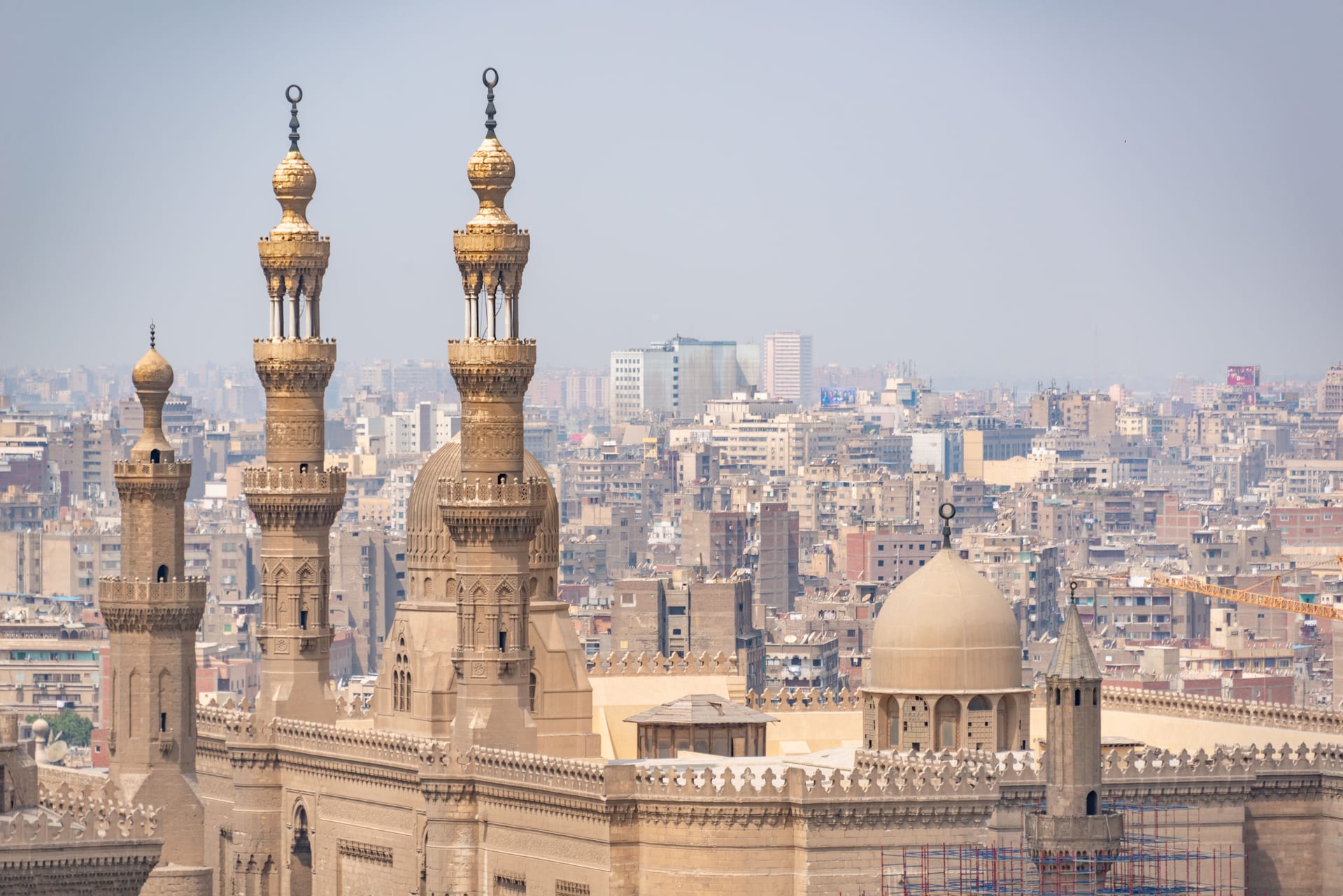
 Egypt
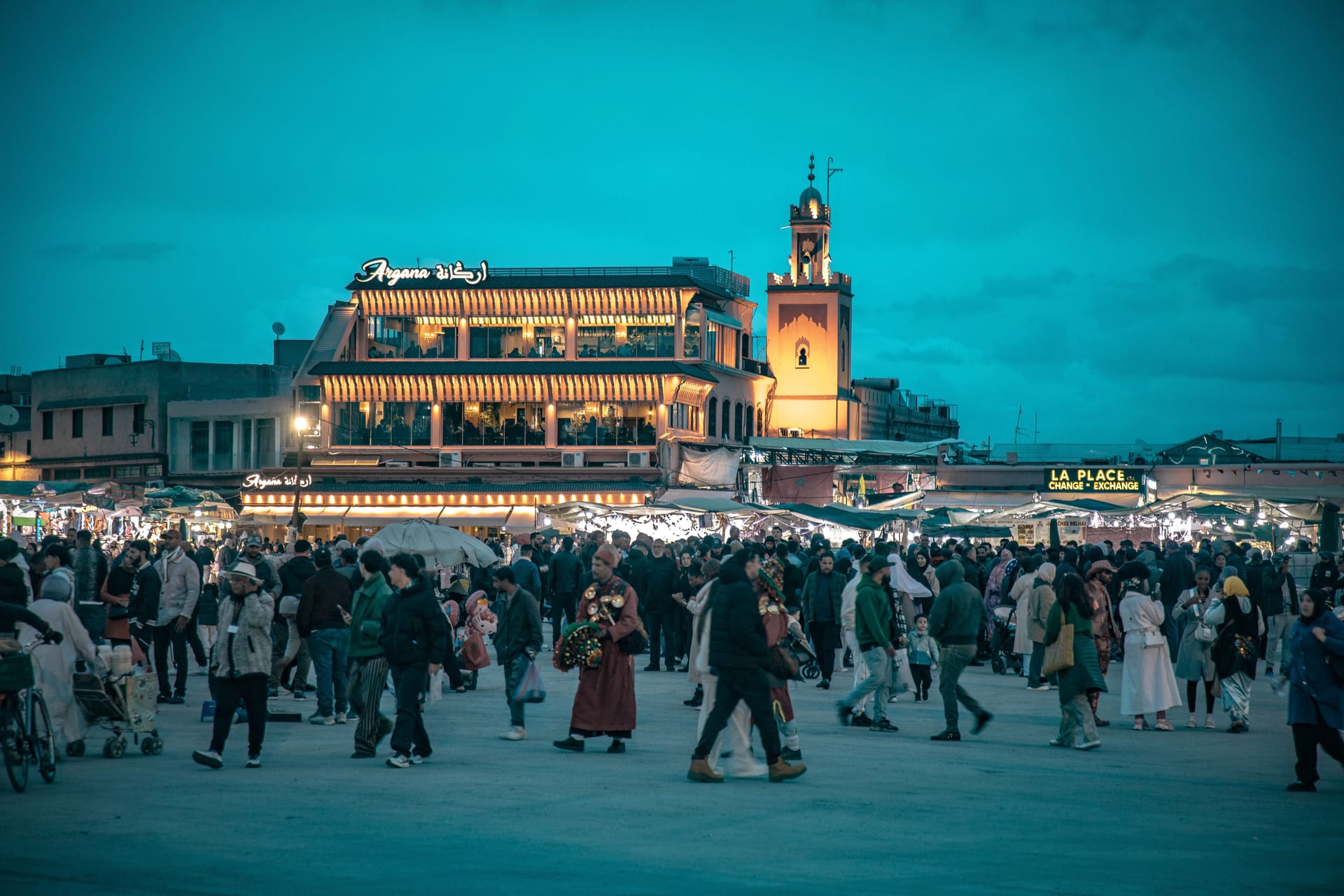
 Morocco
Cairo makes sense if
- Access to stronger healthcare matters most to you.
- You want the broader career options in this comparison.
- You want the deeper culture and food scene.
Cairo's museums, historic layers and late-running cafe culture make the city's past part of everyday life. Marrakech centres more visibly on the medina and Jemaa el-Fnaa, where market stalls and street performers fill the square at night.
The grey shape is all 283 cities; each row says whether lower or higher is better. Ratings out of 10 are our reviewed estimates; the rest is published data. How we measure
Set how much each area counts. The ranking updates as you go. Climate and values are left out because there is no better or worse there, only your taste.
Leads on nature & outdoors, city life, safety & health and moving & settling in; stands out for hiking and mountains.
Leads on work & family; stands out for professional network and public transport.
Scores out of 100, averaged from the areas you weighted. For a ranking built around your own situation, take the quiz.
Rent on a new lease, everyday prices and tax.
The year month by month. Whether it suits you is yours to judge.
Solid line: average daytime high. Dashed: night-time low. Point at the chart for any month; point at a city name to shade its range.
How easily you get to water, mountains and green space.
Getting around on foot, food, culture and the feel of the streets.
Crime, how safe people feel, and the care you would get.
Jobs, working culture, schools and raising kids.
Visas, language, paperwork and staying connected.
Where each city sits. There is no right end of these scales.
Walkability is patchy and most neighbourhoods are built around driving or grabbing a taxi, and the sheer scale can overwhelm newcomers. The energy and pace draw some people in, but anyone wanting a calm, human-scaled urban fabric will find Cairo a stretch.
A compact, low-rise city rather than a sprawling metropolis like Casablanca, built around the walled medina and the newer Gueliz district. Density is low and life moves at an unhurried tempo.
On serious violent crime Cairo scores well, with homicide rates low and the streets generally safe to move through, and road safety holds up better than much of the region. Petty crime and the everyday sense of order are more mixed.
Serious violent crime is rare and the homicide rate sits very low, so the everyday sense of physical safety is good. The friction is petty theft and persistent hustling around the tourist quarters, which wears on residents.
Cairo's local market is shallow for many newcomers. Healthcare is a genuine weak spot.
Local career options are narrow, especially for people relying on English, and professional and startup networks are small. The weakest part of life here.
Few cities in the region match its depth of history, museums, and living local culture, and its arts and music scene outpaces most North African neighbours including Marrakech. Cairo is dusty, congested and grubby, litter constant and cared-for public space scarce beyond a few historic squares and the Nile corniche.
The living culture is intense and deeply rooted, from the Jemaa el-Fnaa square at dusk to the food, music and craft traditions woven through daily life. Marrakech keeps its medina worn but maintained for the tourists who fill it, dust and wear the price of a living old city around Jemaa el-Fnaa's squares and gardens.
Marrakech suits someone who wants the medina and evening square life at the centre of their routine. Cairo is a better base for a broader local job market and a deeper museum and history scene.
These numbers treat everyone the same. The quiz weighs them by your budget, climate taste, family and work, and ranks all 283 cities for you.