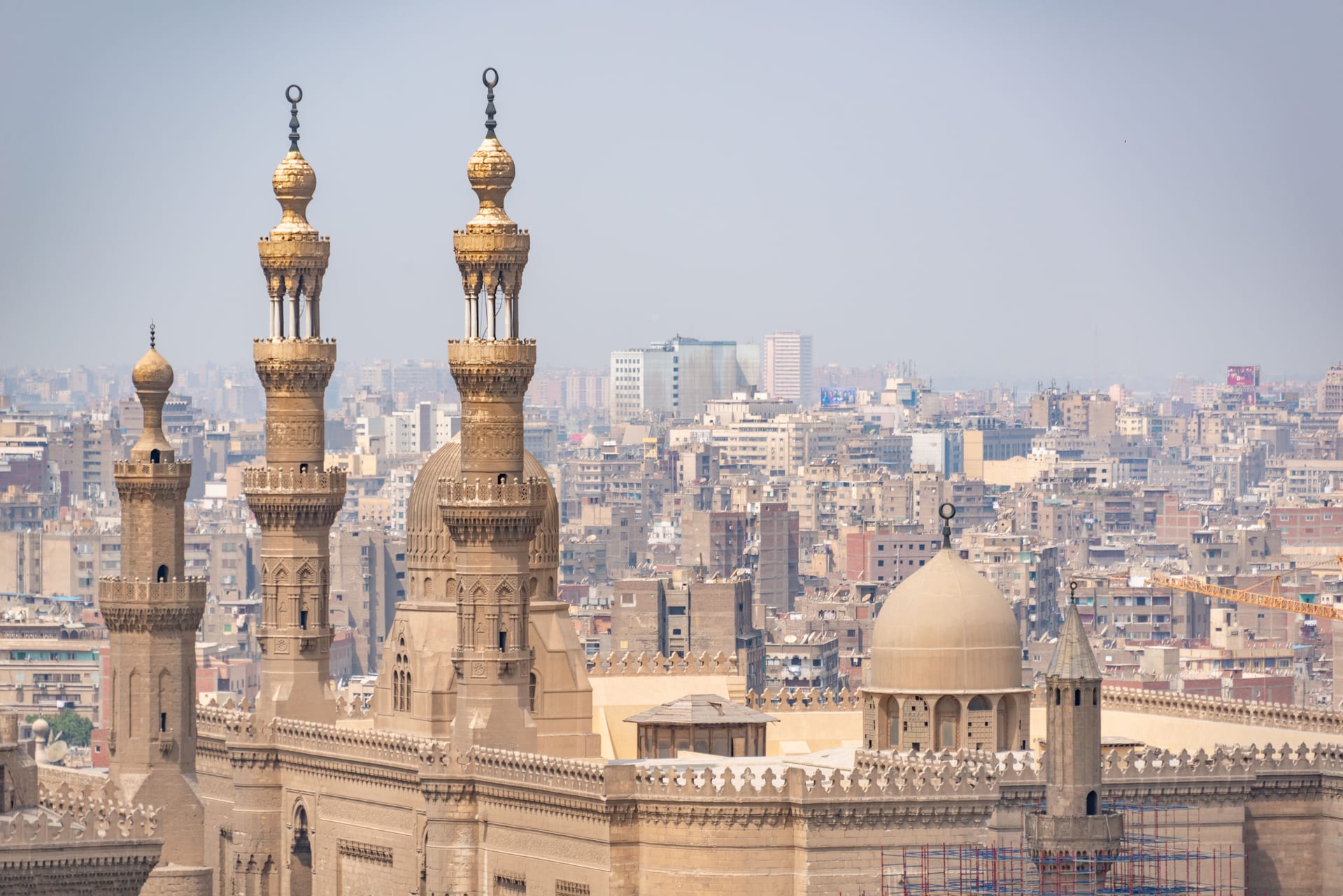
 Egypt
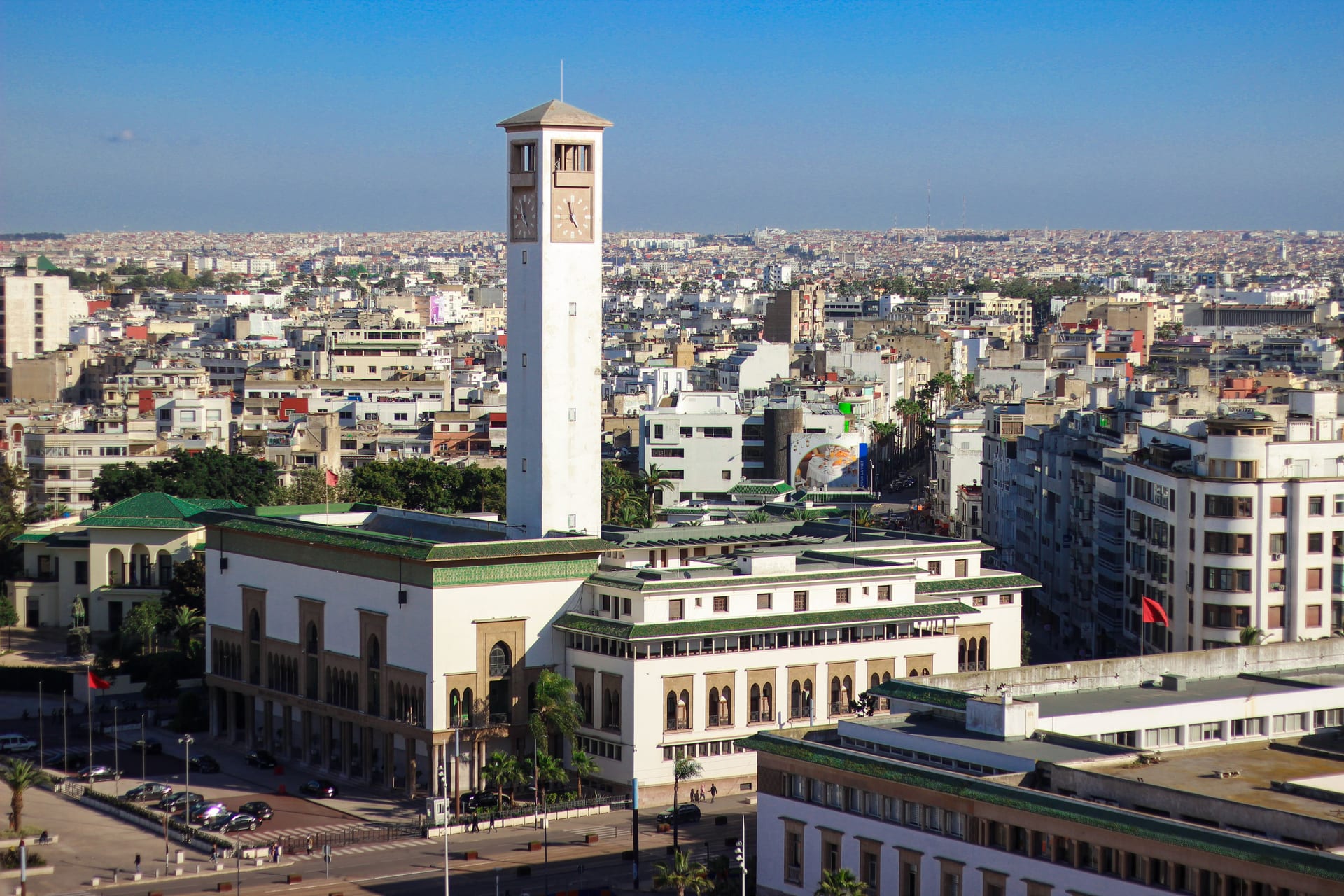
 Morocco
Cairo makes sense if
- You want the broader career options in this comparison.
- You want the deeper culture and food scene.
Cairo's street life spills through cafes and markets, with the Nile corniche and historic squares offering occasional breathing room from the traffic. Casablanca is more business-oriented, with the Atlantic corniche and Hassan II Mosque plaza as its main shared public spaces.
The grey shape is all 283 cities; each row says whether lower or higher is better. Ratings out of 10 are our reviewed estimates; the rest is published data. How we measure
Set how much each area counts. The ranking updates as you go. Climate and values are left out because there is no better or worse there, only your taste.
Leads on money, nature & outdoors, city life, safety & health, work & family and moving & settling in; stands out for rent that fits local pay and milder summers.
Closest to the top on money, 4 points behind Casablanca; stands out for lakes & rivers and local culture.
Scores out of 100, averaged from the areas you weighted. For a ranking built around your own situation, take the quiz.
Rent on a new lease, everyday prices and tax.
The year month by month. Whether it suits you is yours to judge.
Solid line: average daytime high. Dashed: night-time low. Point at the chart for any month; point at a city name to shade its range.
How easily you get to water, mountains and green space.
Getting around on foot, food, culture and the feel of the streets.
Crime, how safe people feel, and the care you would get.
Jobs, working culture, schools and raising kids.
Visas, language, paperwork and staying connected.
Where each city sits. There is no right end of these scales.
Walkability is patchy and most neighbourhoods are built around driving or grabbing a taxi, and the sheer scale can overwhelm newcomers. The energy and pace draw some people in, but anyone wanting a calm, human-scaled urban fabric will find Cairo a stretch.
A dense, fast-moving metropolis, the largest in Morocco by a wide margin. The pace is brisk, mixed-use streets are common, and daily life mingles homes with shops and cafes.
On serious violent crime Cairo scores well, with homicide rates low and the streets generally safe to move through, and road safety holds up better than much of the region. Petty crime and the everyday sense of order are more mixed.
Serious violent crime is rare and the homicide rate is very low, which anchors a steady sense of safety by day. Petty crime and street hassle are more of an issue, with pickpocketing common in crowded areas, and the streets feel less settled after dark.
Cairo's local market is shallow for many newcomers. Healthcare is a genuine weak spot.
Casablanca has some professional breadth, but the market is not especially deep. Casablanca holds the country's better hospitals and specialists, a step up from smaller Moroccan cities, but the baseline is modest across the board.
Few cities in the region match its depth of history, museums, and living local culture, and its arts and music scene outpaces most North African neighbours including Marrakech. Cairo is dusty, congested and grubby, litter constant and cared-for public space scarce beyond a few historic squares and the Nile corniche.
Strong on everyday culture. Casablanca is a busy, dusty business city, upkeep mixed and shared space mostly the Atlantic corniche and the vast Hassan II mosque plaza in an otherwise car-bound grid.
Cairo is the choice for a deeper historical and cultural life, with a busier street scene. Casablanca suits someone whose work is tied to business networks and who prefers the Atlantic coast nearby.
These numbers treat everyone the same. The quiz weighs them by your budget, climate taste, family and work, and ranks all 283 cities for you.