 Australia
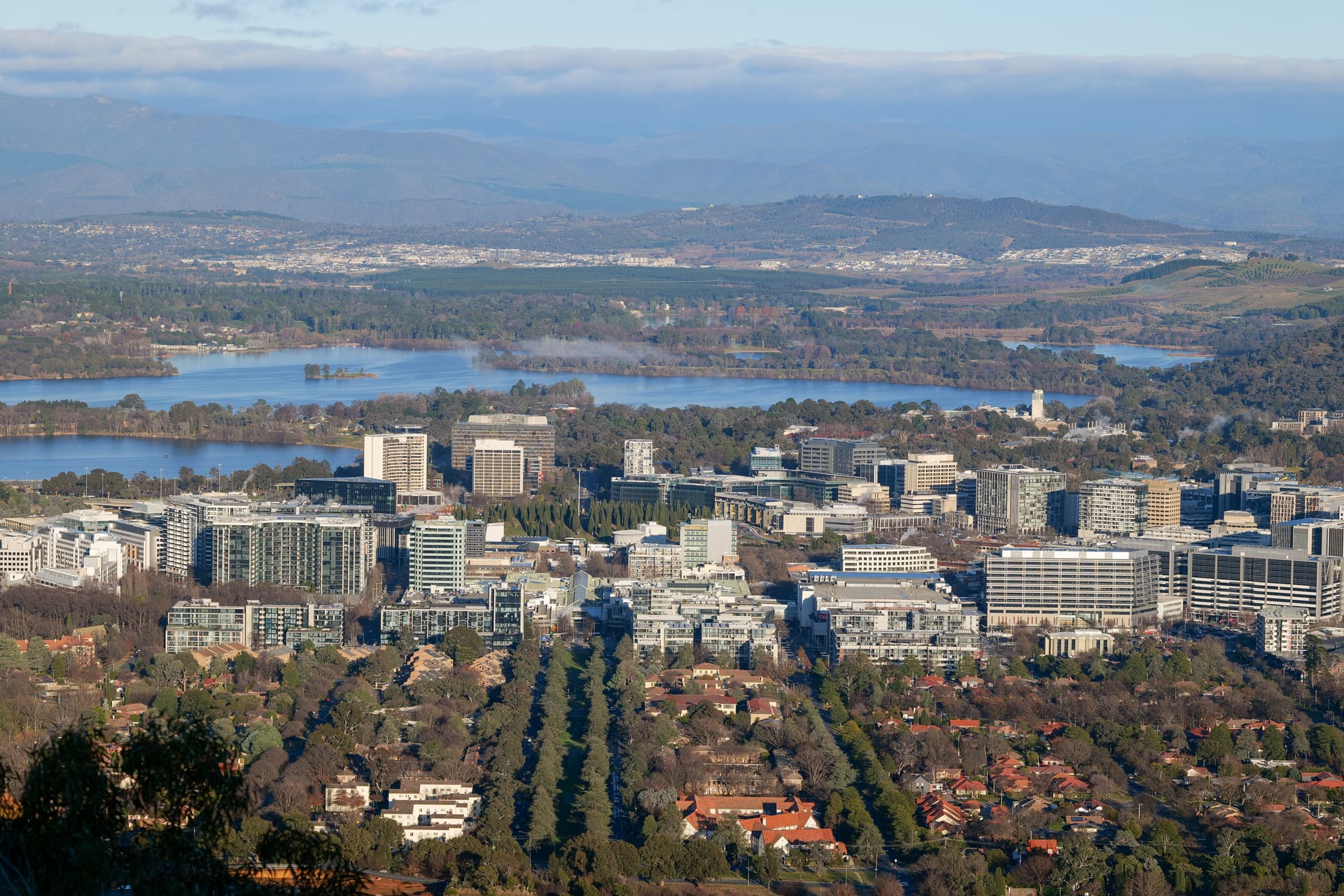
Canberra makes sense if
- You want the easier housing and budget equation in this comparison.
- A calmer day-to-day safety profile matters most to you.
- Access to stronger healthcare matters most to you.
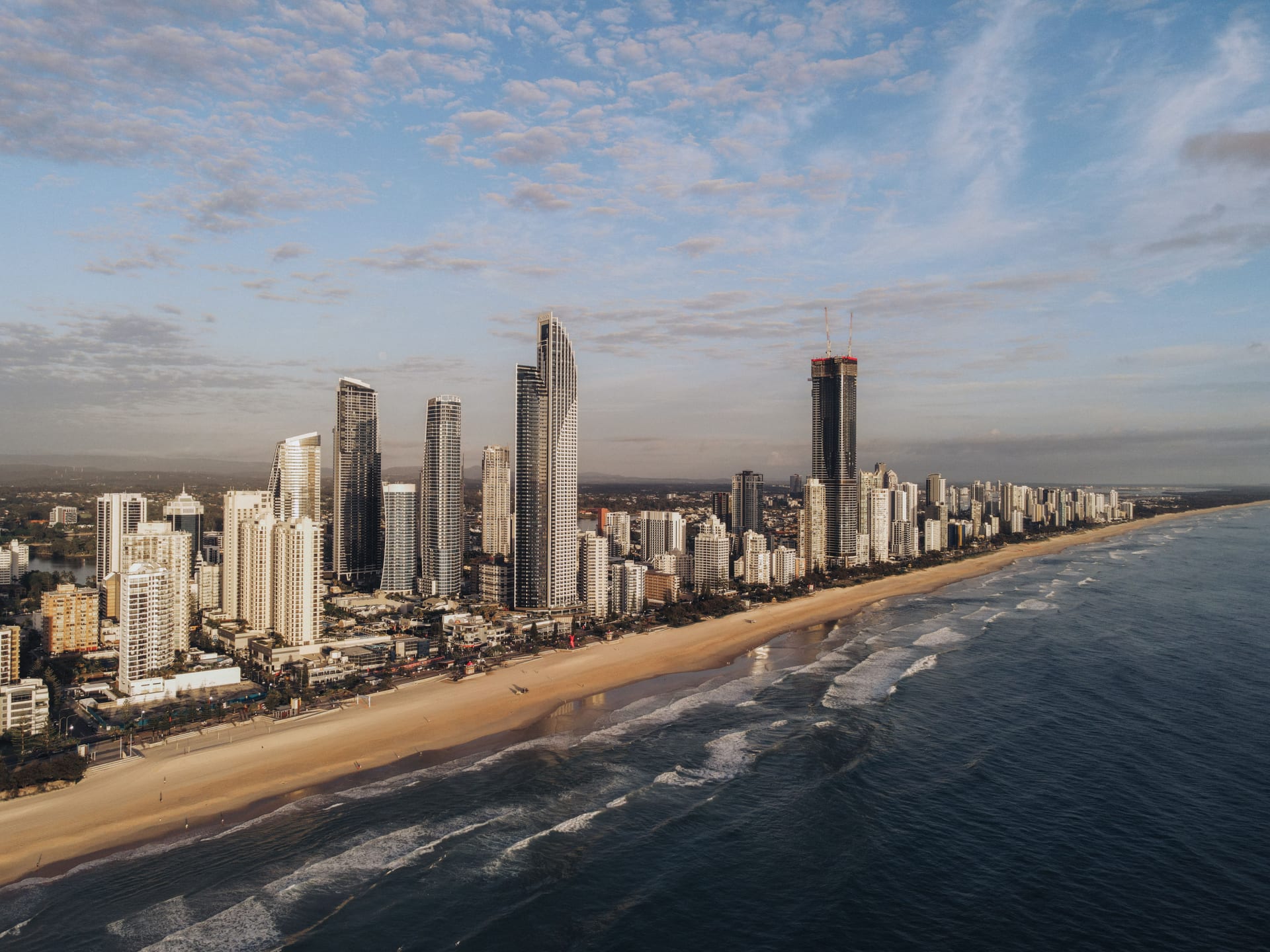
Canberra's planned civic centre, lakeside museums and national galleries give the city a deliberate, orderly feel. Gold Coast life centres on beaches and the promenade at Surfers Paradise, with a more tourist-facing, car-dependent layout.
The grey shape is all 283 cities; each row says whether lower or higher is better. Ratings out of 10 are our reviewed estimates; the rest is published data. How we measure
Set how much each area counts. The ranking updates as you go. Climate and values are left out because there is no better or worse there, only your taste.
Leads on money, city life, safety & health and work & family; stands out for fewer muggy days and professional network.
Leads on nature & outdoors; stands out for beach & sea and winter comfort.
Scores out of 100, averaged from the areas you weighted. For a ranking built around your own situation, take the quiz.
Rent on a new lease, everyday prices and tax.
The year month by month. Whether it suits you is yours to judge.
Solid line: average daytime high. Dashed: night-time low. Point at the chart for any month; point at a city name to shade its range.
How easily you get to water, mountains and green space.
Getting around on foot, food, culture and the feel of the streets.
Crime, how safe people feel, and the care you would get.
Jobs, working culture, schools and raising kids.
Visas, language, paperwork and staying connected.
Where each city sits. There is no right end of these scales.
Low density and spacious suburbs are the defining pattern, while walkability is weak and car dependence is high. Housing space and suburb quality are clear strengths, so daily life feels spread out rather than densely urban.
A low-slung, spread-out city that runs on the car. Walkability and street-level mixed-use are weak, and the pace is slow and suburban rather than dense and urban.
Violent crime is rare, the streets feel calm after dark, and roads are well managed with little of the chaos of larger capitals. Residents generally move around day or night without much thought for personal safety.
Safe by most measures, in line with the rest of urban Australia. Violent crime is low, the homicide rate is very low, and roads are relatively safe.
Canberra has a strong English-speaking employment base and low unemployment. Care is solid and runs entirely in English under Australia's universal system.
The local market is workable but not broad, with English-language jobs easy to find and unemployment low. Solid, universally English-speaking care backed by Australia's public system.
The cafe culture is genuinely good and the national museums and galleries are a real draw, punching above the city's size. Canberra is planned and pristine, immaculately maintained, and its free national museums and galleries around the lake are a genuine gift.
The cafe culture is the standout, genuinely strong flat-white-and-brunch territory, alongside a decent spread of restaurants and a lively enough nightlife. The Gold Coast keeps its tourist strips clean, and the beachfront promenades above Surfers Paradise are well-kept and walkable.
Canberra suits someone seeking a stronger professional market and a cared-for civic setting. Gold Coast is the choice for a beach-centred routine, though the job market is narrower.
These numbers treat everyone the same. The quiz weighs them by your budget, climate taste, family and work, and ranks all 283 cities for you.