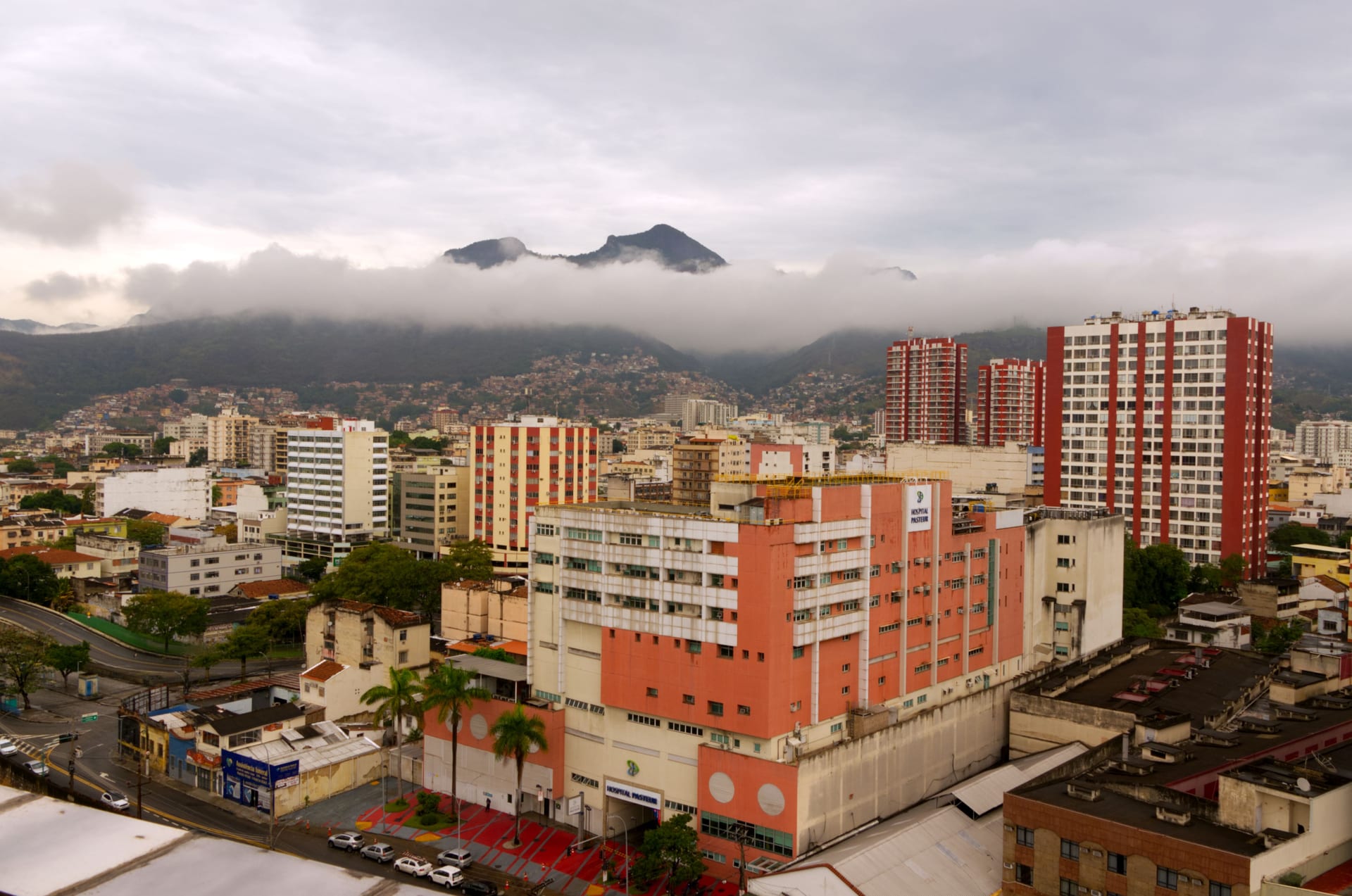
 Venezuela
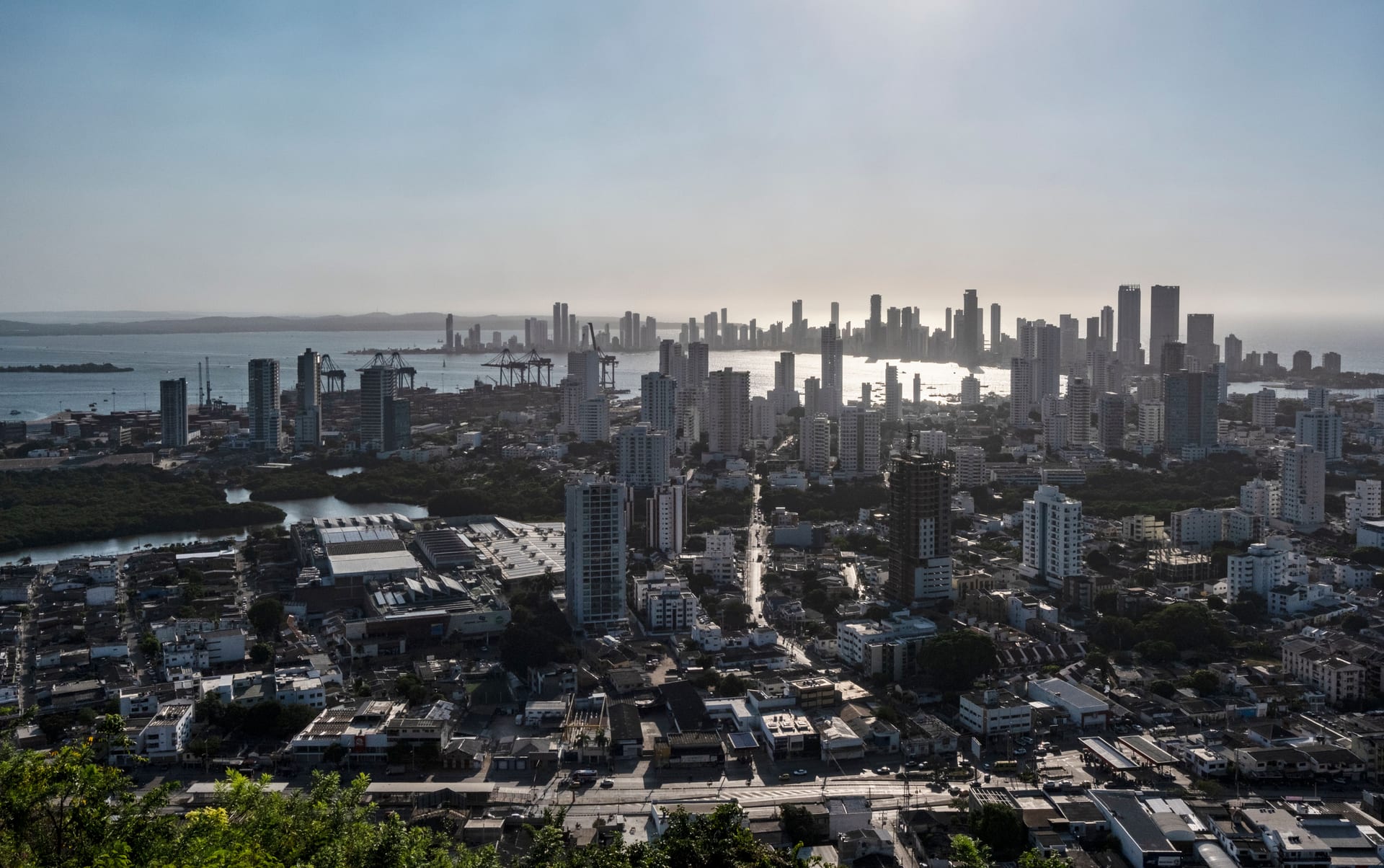
 Colombia
Caracas makes sense if
- Neither city offers an easy safety picture: Caracas carries much more severe risk, while Cartagena still warrants caution after dark.
Caracas has severe violent-crime and healthcare problems that shape how residents move and plan daily life. Cartagena's preserved walled centre is a striking setting, but crime and stretched hospital capacity mean it still requires care and planning.
The grey shape is all 283 cities; each row says whether lower or higher is better. Ratings out of 10 are our reviewed estimates; the rest is published data. How we measure
Set how much each area counts. The ranking updates as you go. Climate and values are left out because there is no better or worse there, only your taste.
Leads on money, city life, safety & health, work & family and moving & settling in; stands out for safer roads and digital government.
Leads on nature & outdoors; stands out for mountains and hiking.
Scores out of 100, averaged from the areas you weighted. For a ranking built around your own situation, take the quiz.
Rent on a new lease, everyday prices and tax.
The year month by month. Whether it suits you is yours to judge.
Solid line: average daytime high. Dashed: night-time low. Point at the chart for any month; point at a city name to shade its range.
How easily you get to water, mountains and green space.
Getting around on foot, food, culture and the feel of the streets.
Crime, how safe people feel, and the care you would get.
Jobs, working culture, schools and raising kids.
Visas, language, paperwork and staying connected.
Where each city sits. There is no right end of these scales.
The city stretches along its valley as a dense, car-leaning sprawl of towers, highways, and hillside barrios. Walkability is modest and uneven, neighbourhood quality varies sharply block to block, and getting around without a car is harder than in most Colombian cities.
Beyond the old quarter, getting around often means a car, and neighbourhood quality is uneven. The pace is slow and the scale modest compared with Bogotá or Medellín.
Caracas carries one of the worst violent-crime burdens of any city in this set, with night safety at the floor and perceived safety below even Bogotá or Mexico City. Residents organise their daily lives around avoiding risk, and many areas are off-limits after dark.
Cartagena deserves more caution than its relaxed tourist image suggests. Political stability is also weak, so calm daytime streets should not be read as a full safety picture.
The local career market is severely constrained, with little industry breadth and few English-language or startup opportunities. Healthcare is a serious concern.
The local market is thin, with limited industry breadth, few English-language roles, and little startup depth. Healthcare is workable but not a standout.
Culture is one of the brighter notes. Caracas is crisis-hit and neglected, its infrastructure decaying and upkeep scarce.
Cartagena has a strong sense of its own Caribbean culture, with lively nightlife, a solid restaurant and cafe scene, and music woven into daily life. Cartagena keeps its walled old town beautifully, its colonial plazas, ramparts, and waterfront among the finest in the Americas, though the outskirts are noticeably rougher.
Neither city offers an easy safety picture: Caracas carries much more severe risk, while Cartagena still warrants caution after dark. Cartagena has more workable private clinics; Caracas's healthcare system is a serious concern.
These numbers treat everyone the same. The quiz weighs them by your budget, climate taste, family and work, and ranks all 283 cities for you.