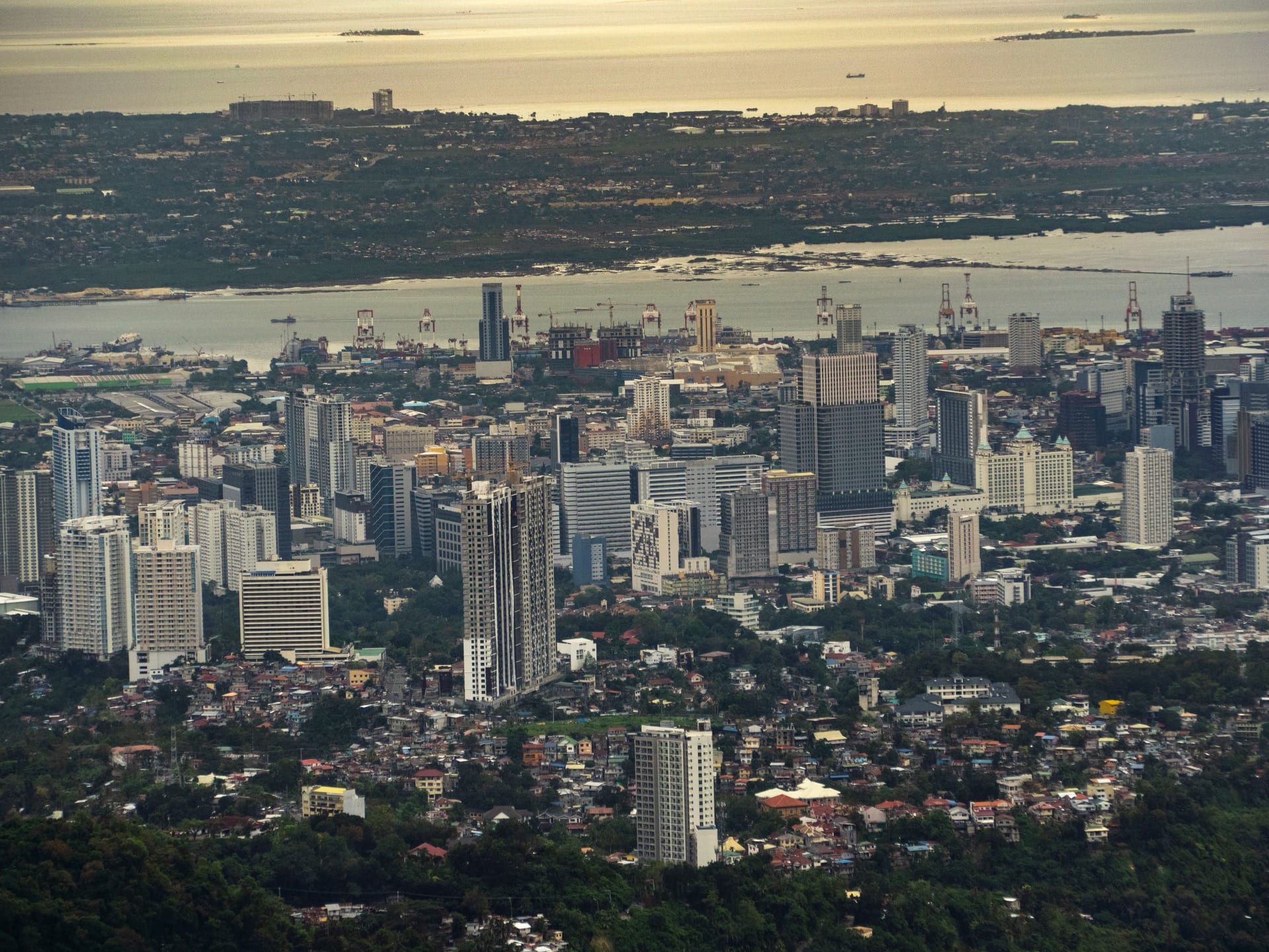
 Philippines
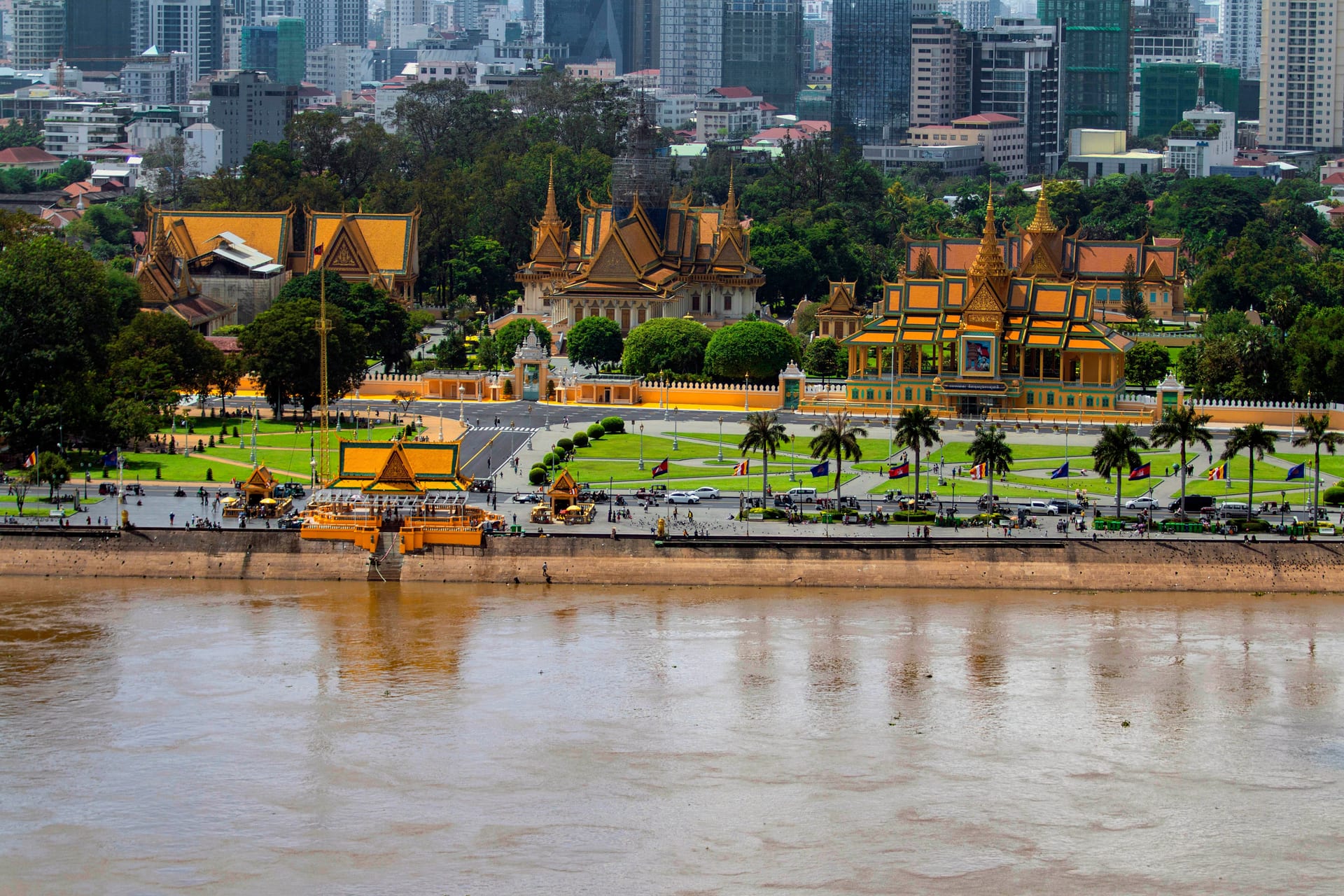
 Cambodia
Cebu City makes sense if
- Access to stronger healthcare matters most to you.
- You want the broader career options in this comparison.
- You want the deeper culture and food scene.
Cebu City offers an English-easy landing, nearby dive islands and private clinics with fluent English, though local careers remain narrow. Phnom Penh has a calmer riverside setting and light bureaucracy, but healthcare and professional networks are much thinner.
The grey shape is all 283 cities; each row says whether lower or higher is better. Ratings out of 10 are our reviewed estimates; the rest is published data. How we measure
Set how much each area counts. The ranking updates as you go. Climate and values are left out because there is no better or worse there, only your taste.
Leads on nature & outdoors and work & family; stands out for a smaller language barrier and mountains.
Leads on money; stands out for political stability and rent that fits local pay.
Scores out of 100, averaged from the areas you weighted. For a ranking built around your own situation, take the quiz.
Rent on a new lease, everyday prices and tax.
The year month by month. Whether it suits you is yours to judge.
Solid line: average daytime high. Dashed: night-time low. Point at the chart for any month; point at a city name to shade its range.
How easily you get to water, mountains and green space.
Getting around on foot, food, culture and the feel of the streets.
Crime, how safe people feel, and the care you would get.
Jobs, working culture, schools and raising kids.
Visas, language, paperwork and staying connected.
Where each city sits. There is no right end of these scales.
A mid-size city by global standards, far smaller and less frantic than Manila, with a dense old core that gives way to sprawl. Walkability is poor and daily life leans hard on cars and ride-hailing.
A compact, low-rise capital that feels small and unhurried compared with sprawling Bangkok or Manila. Pace is gentle, but the streets are built around motorbikes and cars rather than walking, so getting around on foot is awkward and neighbourhoods vary a lot in quality.
Serious violent crime sits at a level common across the region, but petty crime and street-level wariness mean residents stay alert, especially after dark. Traffic is the bigger everyday hazard.
Serious violent crime is rare, and the homicide picture is reassuringly low for the region. The everyday concerns are different: bag-snatching and opportunistic theft are common enough to stay alert about, and the traffic is genuinely dangerous, with road safety among the weaker points of living here.
English-language work is Cebu City's clearest employment advantage, and low unemployment supports a reasonable chance of finding a job. Private hospitals and clinics handle routine and many specialist needs, and care is delivered in fluent English, which removes a major source of stress for newcomers.
Conventional local careers are difficult to build in Phnom Penh. Local healthcare is the real weak spot.
Cebuano food culture is strong and proudly local, lechon above all, backed by a decent cafe scene and easygoing nightlife. Cebu is a dense, traffic-choked Philippine city where litter and neglect are the norm and public life happens inside air-conditioned malls rather than any real square.
The food and cafe culture punch above the city's size, with a strong local identity and a growing restaurant scene, even if it stays a step behind Bangkok. Phnom Penh is dusty and littered, its waste systems weak and traffic disorderly, with cared-for space largely confined to the riverside promenade by the Tonle Sap.
Cebu City is the more practical choice for English-language healthcare and local work options. Phnom Penh suits someone bringing income from elsewhere and comfortable with limited hospital depth.
These numbers treat everyone the same. The quiz weighs them by your budget, climate taste, family and work, and ranks all 283 cities for you.