
Living in Cebu City
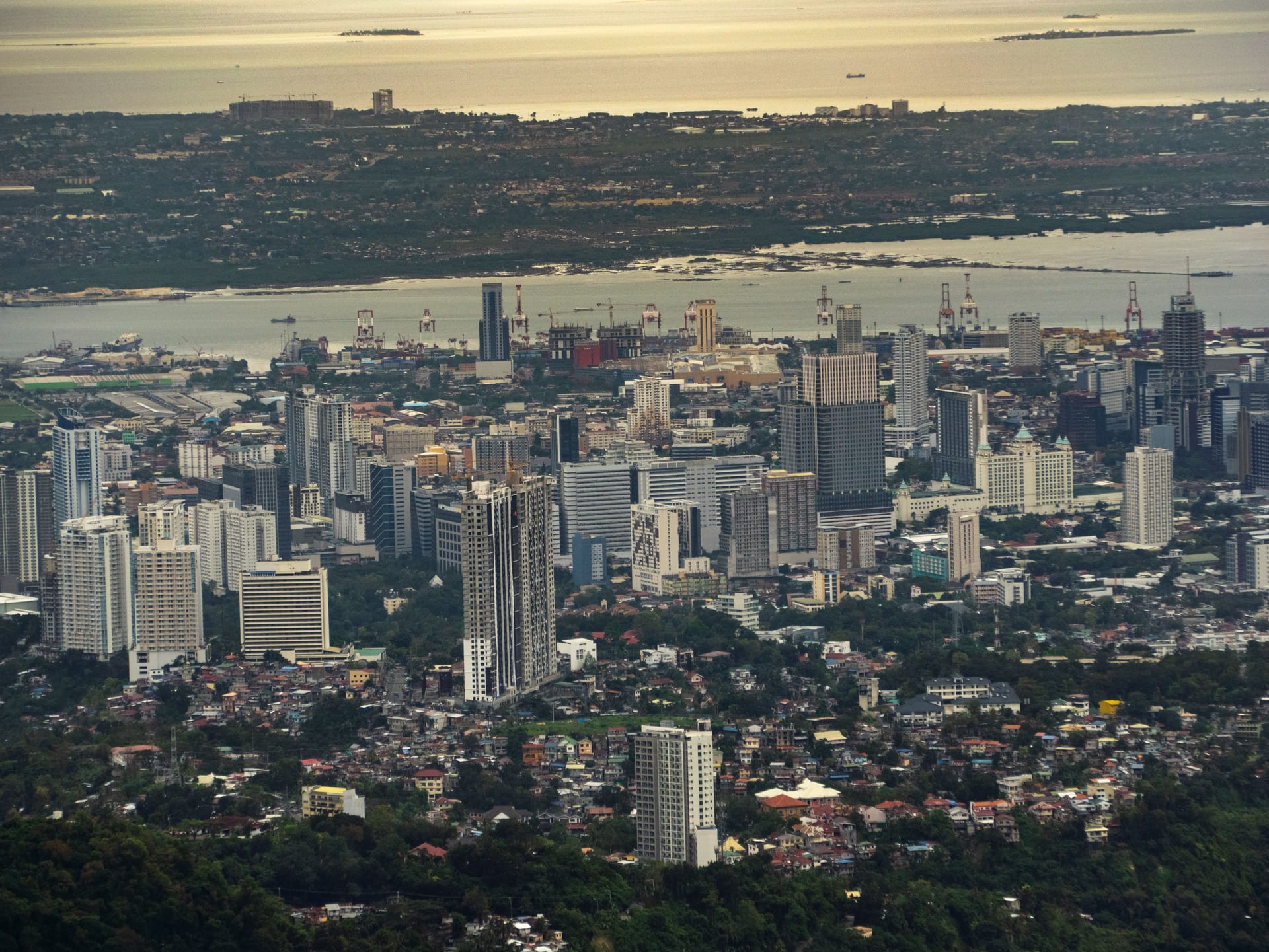
Cebu City is the Philippines' second metropolis, the calmer counterweight to Manila's sprawl and grind. Life here runs cheap, warm, and English-easy, with the sea and dive islands close at hand. The trade-offs are real: thin public transport, car-bound daily life, and a heat that rarely lets up.
Cebu City at a glance
Vital stats
Shown in USD: the local currency (PHP) moves too fast for stable monthly figures.
Where Cebu City stands out
The metrics where Cebu City sits farthest from the middle worldwide, good and bad.
Cheap to arrive, expensive to stay?
A typical one-bedroom in Cebu City runs $285/mo. That is beyond the mean net pay of a typical local employee. This is a solo-newcomer stress test: sitting tenants, shared homes, subsidised housing and informal rents are deliberately outside the numerator.
The fastest way to test a shortlist is to go. A week on the ground tells you things no ranking can.
Partner link
Approved language-learning and international money resources for practical next steps.
Daily life in Cebu City
How Cebu City scores
Category by category
Affordability
70/100Cebu City's open-market one-bedroom rent on a new lease is about $285 per month. The rent-to-income measure reaches its 120% ceiling against one typical employee's mean net pay, so the underlying burden may be higher; the band is beyond local pay.
Climate
tropicalWarmth is dependable, but clear skies are not. Cebu averages only about 52 bright days a year and around 232 rainy-grey days, while humidity makes the heat feel sticky through the year. There is no meaningful cold or dark season, yet elevated extreme-weather exposure is a real planning trade-off.
Nature access
alpineThe water is the headline. Beaches, dive sites, and island-hopping sit within easy reach, and weekend escapes into the wider Visayas come naturally, more so than from Manila. Inside the city itself, green space is scarce and parks are few, so day-to-day nature means heading out rather than stepping outside.
Urban form
mid-sizedA mid-size city by global standards, far smaller and less frantic than Manila, with a dense old core that gives way to sprawl. Walkability is poor and daily life leans hard on cars and ride-hailing. Neighbourhoods and housing space are middling, the pace noticeably gentler than the capital's.
Public life & spaces
26/100Cebu is a dense, traffic-choked Philippine city where litter and neglect are the norm and public life happens inside air-conditioned malls rather than any real square. Living is cheap and the fiestas are genuine, but free facilities are thin. You'll find warmth and noise here, not cared-for streets or built civic space.
Safety
49/100A mixed read. Serious violent crime sits at a level common across the region, but petty crime and street-level wariness mean residents stay alert, especially after dark. Traffic is the bigger everyday hazard. National political stability scores low, a backdrop worth weighing for anyone settling in long-term.
Healthcare
44/100Private hospitals and clinics handle routine and many specialist needs, and care is delivered in fluent English, which removes a major source of stress for newcomers. The weak spot is depth: doctors per head are thin, and for complex or emergency cases the system stretches. Many residents lean on private insurance to fill the gaps.
Family life
35/100Workable rather than polished for families. Schooling, childcare, and child safety land around the regional middle, with international schools available for those who can pay. Outdoor childhood comes easily given the climate and coast, though dedicated playgrounds and parks are in short supply. Family housing is more attainable here than in Manila.
Career
60/100English-language work is Cebu City's clearest employment advantage, and low unemployment supports a reasonable chance of finding a job. The market is still narrow, with a small local technology scene. Local pay is low by the wider benchmark, so remote income offers more room than local career progression.
Culture & food
63/100Cebuano food culture is strong and proudly local, lechon above all, backed by a decent cafe scene and easygoing nightlife. Dining out is cheap and conversation is effortless in English. Vegetarians and vegans will find slim pickings, and the museum, arts, and live-events offering is modest next to Manila or Bangkok.
Ease of integration
63/100Newcomers tend to find their feet fast. English goes a long way in daily life, locals are notably warm toward foreigners, and the cultural adjustment is gentler than much of Southeast Asia. The society is religious and traditional in texture, so a degree of social conservatism comes with the welcome, but making local connections rarely demands learning Cebuano first.
Connectivity
27/100The clear soft spot. Public transport is rudimentary, there is no usable intercity rail, and cycling provision barely exists, which is why nearly everyone drives or rides. The airport is a genuine asset, with solid domestic and regional links. Internet is serviceable, utilities are inconsistent, and government paperwork remains stubbornly analogue.
Social values
traditionalConservative and devoutly Catholic, with public life shaped by faith and tradition; secular and socially liberal attitudes score low, and civic order is loose. Set against that, the openness to outsiders is striking, among the warmest in the region. Foreigners are met with genuine friendliness even where local social norms stay traditional.
Relocation ease
54/100On balance, an easy landing. The language barrier is effectively nil for English speakers, cultural adjustment is among the smoothest in the region, and visas for newcomers are manageable. The friction shows up later, in slow bureaucracy, fiddly banking, and admin that still runs on paper and patience.
The trade-offs
A year in Cebu City
May peaks around 30°C, Jan days top out near 27°C, and the year brings roughly 52 bright days.
Can you actually move here?
The hard limits people most often bring to a move, scored against Cebu City's data.
Moving with a pet
Bringing a pet into the Philippines is moderately straightforward, mainly an import permit, vaccinations, and health paperwork rather than a long quarantine. Plan the documents ahead, and the move is far gentler than rabies-free destinations like Australia.
Who Cebu City works for
Answer the questionnaire and see where Cebu City lands for you.
Take the free questionnaireWhere else to look
Cebu City vs. comparable cities


Objective scores (0–100) for Cebu City and its 4 nearest comparable cities.
The cities people weigh against Cebu City
Unexpected siblings
Far from Cebu City on the map, close across all 14 categories of daily life.

