 United States
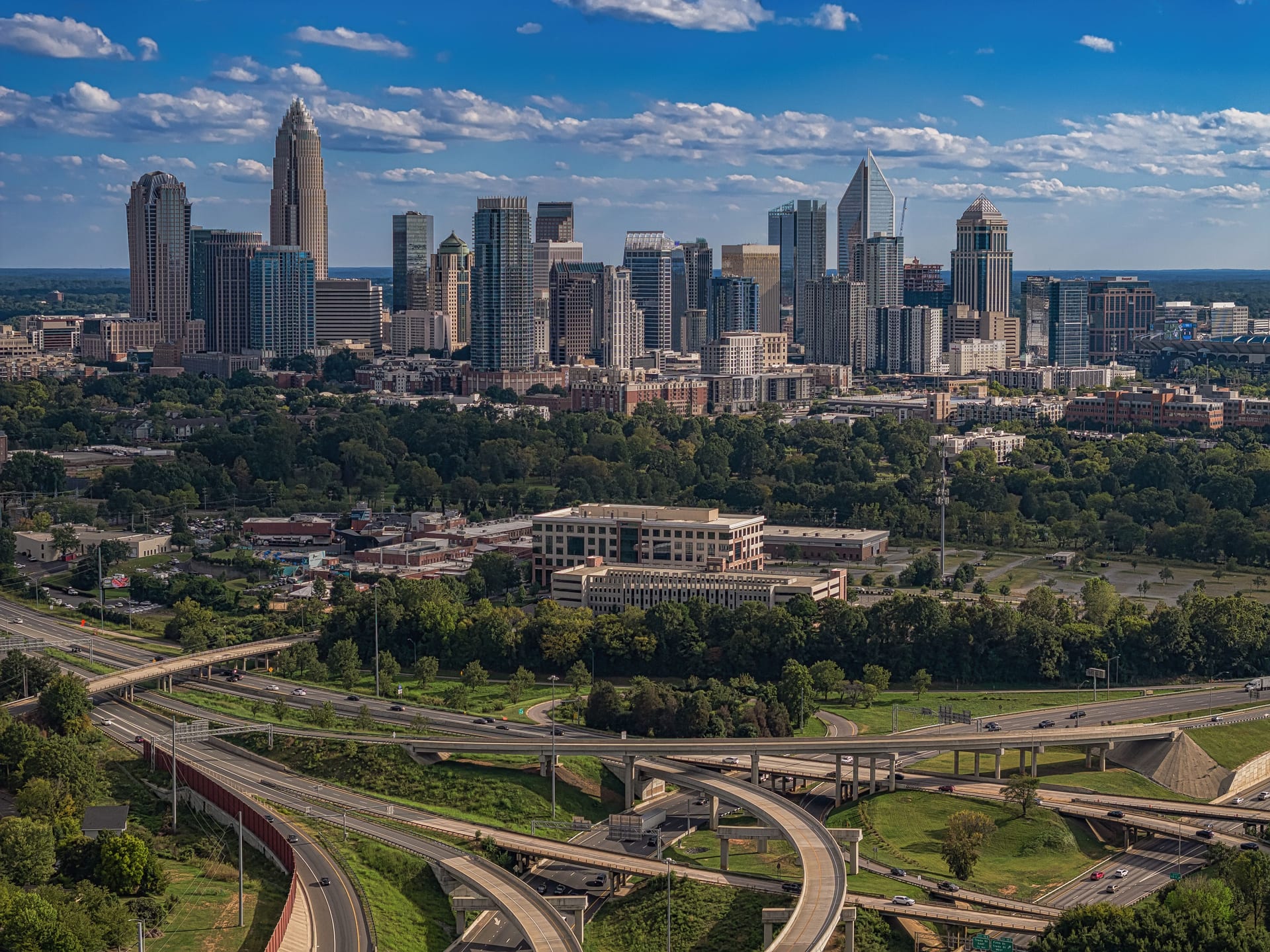
Charlotte makes sense if
- You want the easier housing and budget equation in this comparison.
- A calmer day-to-day safety profile matters most to you.
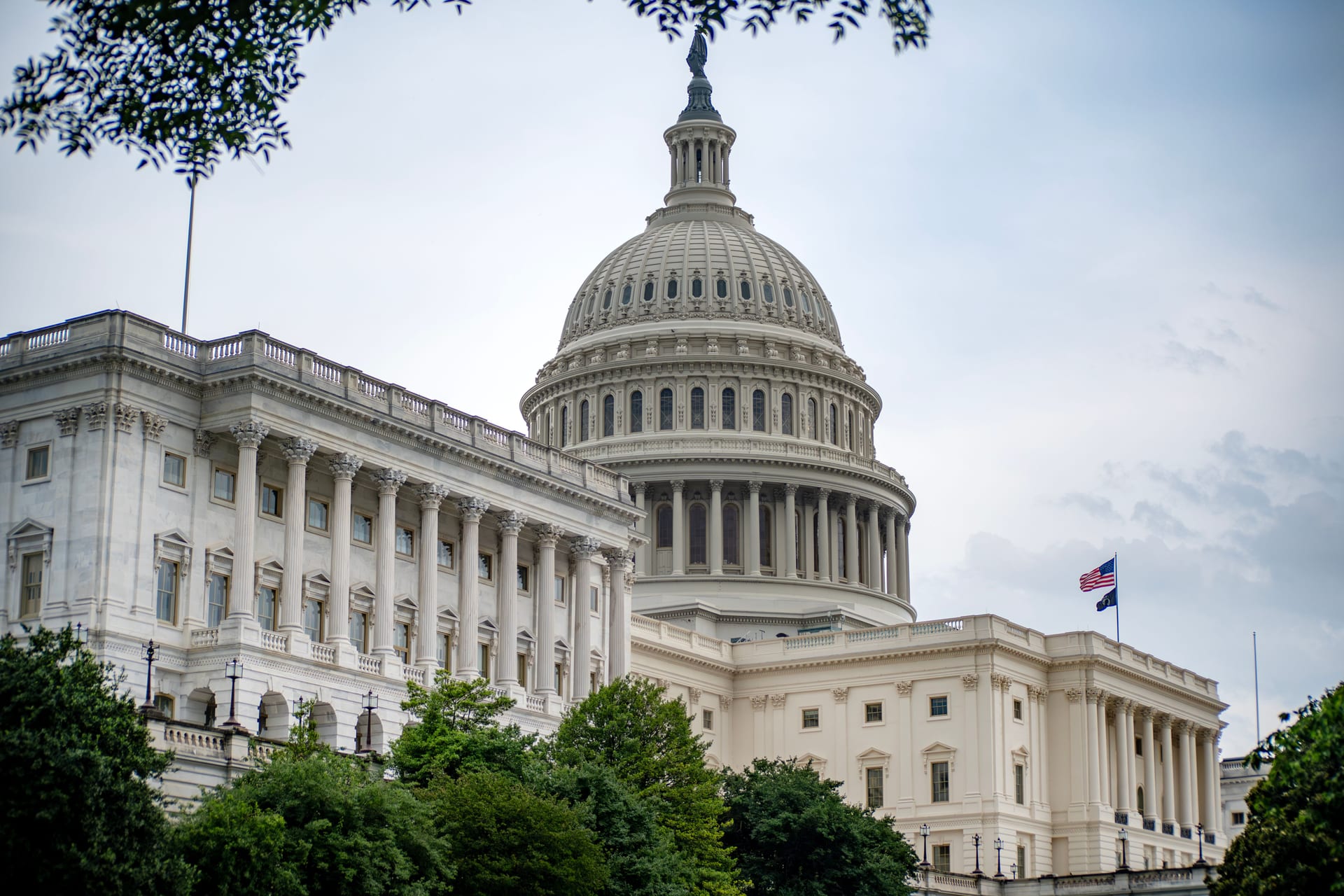
Charlotte's newer banking centre is tidy but gives residents few walkable public spaces. Washington, D.C. is built around the National Mall, monumental plazas and free Smithsonian museums, with a much deeper cultural life.
The grey shape is all 283 cities; each row says whether lower or higher is better. Ratings out of 10 are our reviewed estimates; the rest is published data. How we measure
Set how much each area counts. The ranking updates as you go. Climate and values are left out because there is no better or worse there, only your taste.
Leads on nature & outdoors, city life, work & family and moving & settling in; stands out for cycling infrastructure and life without a car.
Leads on money; stands out for winter comfort and easier house-hunting.
Scores out of 100, averaged from the areas you weighted. For a ranking built around your own situation, take the quiz.
Rent on a new lease, everyday prices and tax.
The year month by month. Whether it suits you is yours to judge.
Solid line: average daytime high. Dashed: night-time low. Point at the chart for any month; point at a city name to shade its range.
How easily you get to water, mountains and green space.
Getting around on foot, food, culture and the feel of the streets.
Crime, how safe people feel, and the care you would get.
Jobs, working culture, schools and raising kids.
Visas, language, paperwork and staying connected.
Where each city sits. There is no right end of these scales.
Charlotte has room, but its urban life is spread thin. The suburbs are comfortable and spacious, while mixed-use streets and a continuous walkable centre remain limited.
A walkable, human-scaled capital with a strong transit spine, leafy rowhouse neighbourhoods, and suburbs that rank among the better ones in the country. Compared with New York it is far smaller and lower-density, which suits people who want a city that stays legible.
A middling safety read for a larger Sun Belt city. Petty crime, perceived safety, and walking around after dark all sit in average territory, neither reassuring nor alarming.
The homicide rate is high for an American capital and clearly above peers like New York, and perceptions of street and night-time safety reflect that. Day-to-day risk varies sharply by neighbourhood.
Charlotte combines a deep local job market with low unemployment and abundant English-language work. Clinical access is the strong half: good hospital coverage, reliable emergency care, and care delivered entirely in English.
Work in Washington sits within an unusually strong English-speaking market, backed by broad industries and some of the densest professional networks in the set. The clinical side is excellent, with top-tier hospitals, strong specialist access, and care delivered entirely in English.
A respectable mid-tier scene that rewards locals more than visitors. Costs stay moderate rather than cheap, and the free-culture offering is modest.
World-class on museums and institutions, anchored by the free Smithsonian collections that few cities can rival, plus a serious music and arts scene. Washington's monumental core is tidy and genuinely walkable, built around the National Mall, broad plazas and a civic landscape designed for crowds, even if upkeep frays in outer neighbourhoods.
Washington is a strong fit if you want major museums, civic spaces and a broad professional scene. Charlotte offers a more manageable banking-centred routine, though it is more car-dependent.
These numbers treat everyone the same. The quiz weighs them by your budget, climate taste, family and work, and ranks all 283 cities for you.