 Brazil
Curitiba makes sense if
- You want the easier housing and budget equation in this comparison.
- A calmer day-to-day safety profile matters most to you.
- You value stronger public spaces and everyday city life.
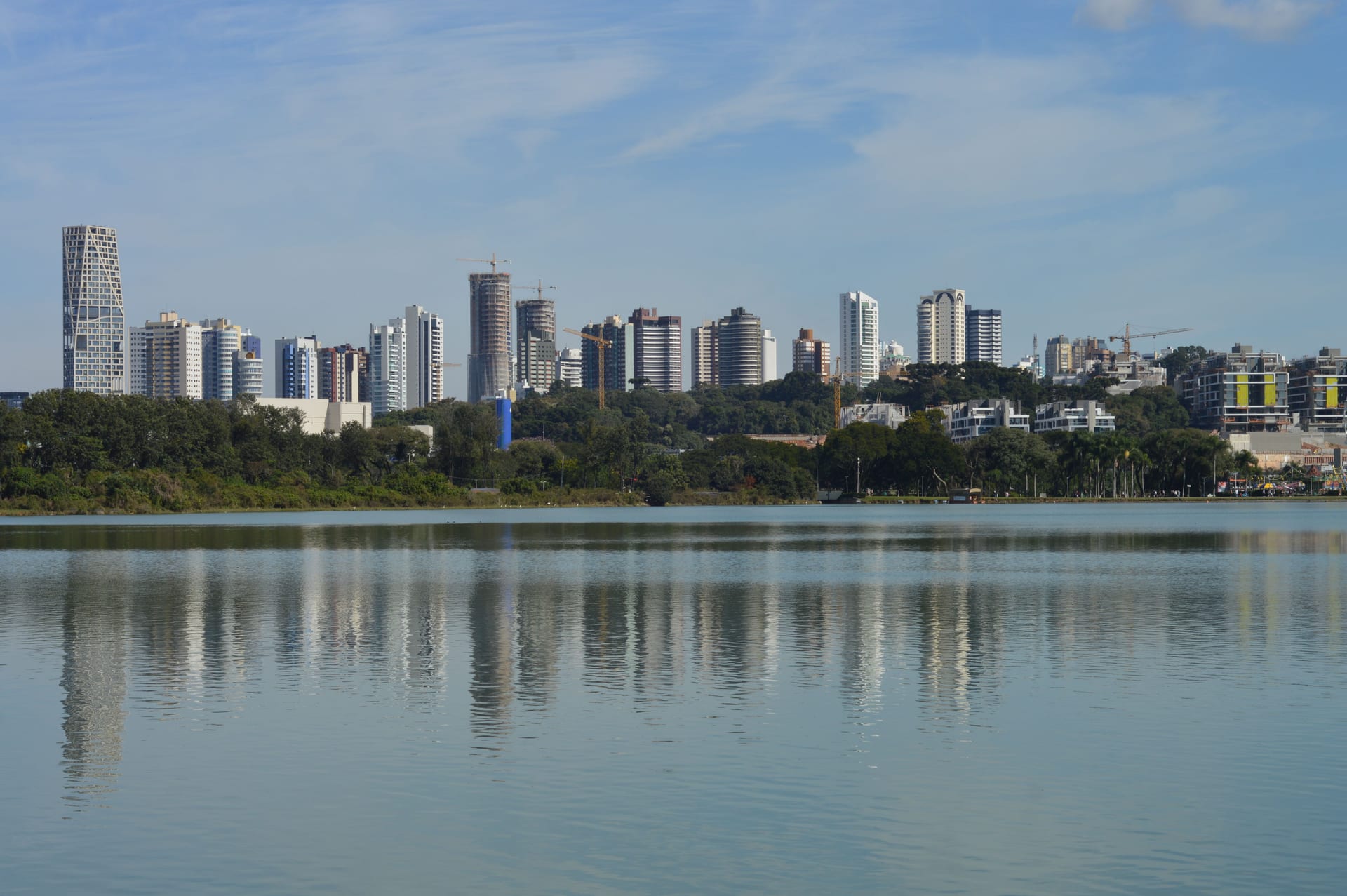
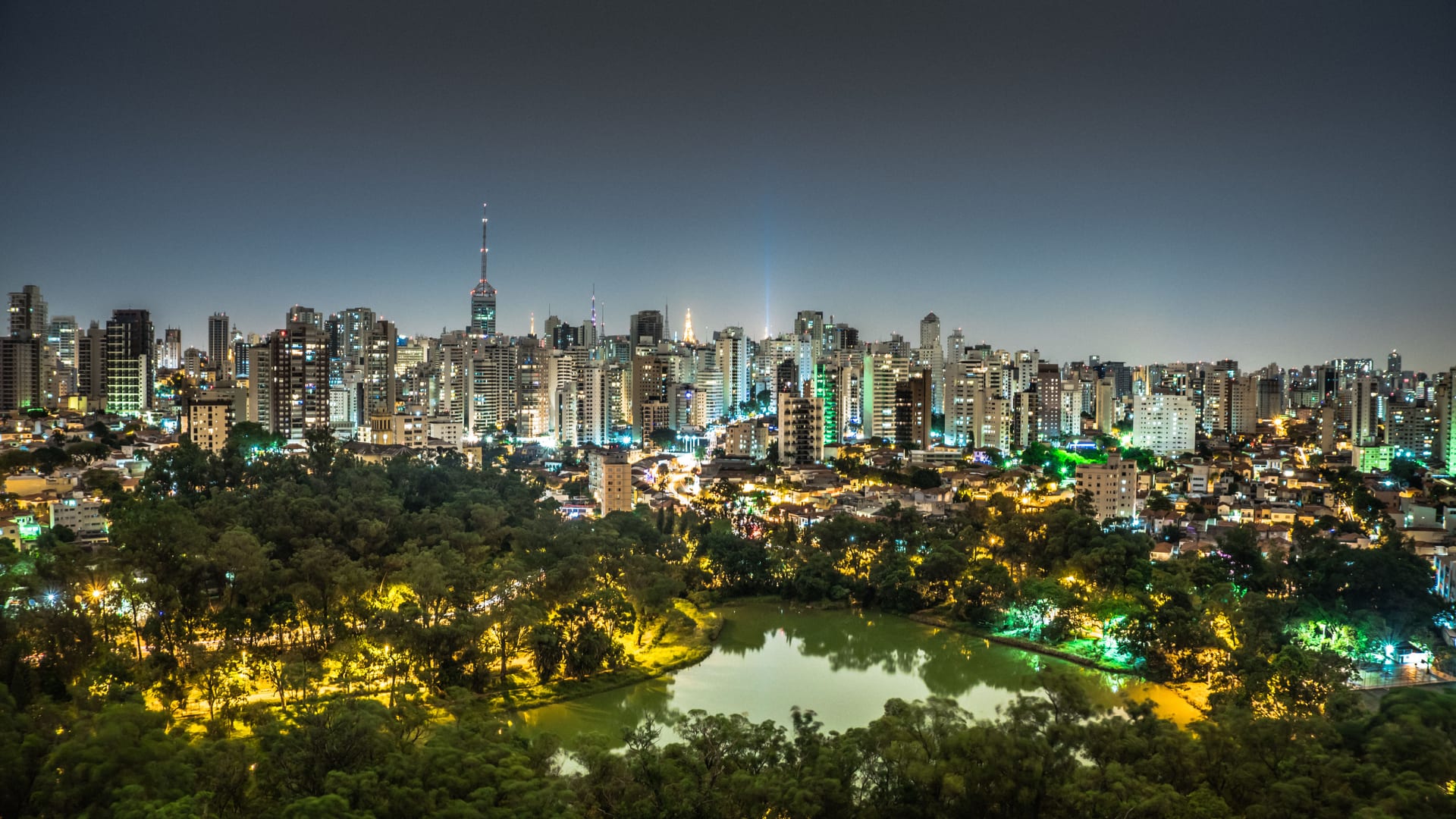
Curitiba's parks, pedestrian streets and civic squares give it a carefully planned, orderly feel. São Paulo runs at a different scale, with a huge restaurant scene, nightlife, music and museums, and more career options across a broad local market.
The grey shape is all 283 cities; each row says whether lower or higher is better. Ratings out of 10 are our reviewed estimates; the rest is published data. How we measure
Set how much each area counts. The ranking updates as you go. Climate and values are left out because there is no better or worse there, only your taste.
Leads on moving & settling in; stands out for music & art scene and nightlife.
Leads on nature & outdoors; stands out for less petty crime and outdoor childhood.
Scores out of 100, averaged from the areas you weighted. For a ranking built around your own situation, take the quiz.
Rent on a new lease, everyday prices and tax.
The year month by month. Whether it suits you is yours to judge.
Solid line: average daytime high. Dashed: night-time low. Point at the chart for any month; point at a city name to shade its range.
How easily you get to water, mountains and green space.
Getting around on foot, food, culture and the feel of the streets.
Crime, how safe people feel, and the care you would get.
Jobs, working culture, schools and raising kids.
Visas, language, paperwork and staying connected.
Where each city sits. There is no right end of these scales.
Decades of deliberate planning show in the walkable cores and mixed-use streets, though a car still helps in the looser outer neighbourhoods. Quality of the residential areas is solid.
The pace is quick, mixed-use neighbourhoods are walkable in pockets, but the sheer scale means car dependency and sprawl shape daily life. Where Rio is defined by its coastline, São Paulo is defined by its endless verticality and energy.
On the most serious violent crime, Curitiba scores well and residents feel reasonably secure going about their day. The softer spots are real: petty theft, street wariness, and confidence that drops noticeably after dark in many areas.
Safety is a serious concern and honesty matters here. While the homicide picture has improved markedly, street crime, phone-snatching and a real wariness after dark are part of the rhythm, and perceived safety stays low.
Curitiba has a middling local market rather than a career desert, with a reasonably broad base but limited English-language openings. Care quality is reasonable and out-of-pocket exposure stays manageable, but the system runs thin on doctors per resident and public emergency provision can be uneven.
São Paulo has a broad local market, with strong job options and unusually dense professional networks. Healthcare is middling.
A capable, comfortable cultural life rather than a headline one. Curitiba is Brazil's model planned city, clean, green, and orderly, with upkeep most of the region can't match.
Culture and food are the city's crown. Sao Paulo is huge and gritty, graffiti and traffic everywhere, with only pockets genuinely kept.
São Paulo is the choice for career range and a constant cultural calendar. Curitiba suits someone who wants greener public spaces and a more measured city routine.
These numbers treat everyone the same. The quiz weighs them by your budget, climate taste, family and work, and ranks all 283 cities for you.