 Brazil
Brasília makes sense if
- You want the easier housing and budget equation in this comparison.
- A calmer day-to-day safety profile matters most to you.
- You value stronger public spaces and everyday city life.
Brasília is a quiet, planned capital of ministries and open sky, with a car-oriented routine. São Paulo is Brazil's broadest urban work network, but frequent rainy-grey and muggy periods sit alongside a large local market where English-only work is less dependable.
The grey shape is all 283 cities; each row says whether lower or higher is better. Ratings out of 10 are our reviewed estimates; the rest is published data. How we measure
Set how much each area counts. The ranking updates as you go. Climate and values are left out because there is no better or worse there, only your taste.
Leads on nature & outdoors, city life, work & family and moving & settling in; stands out for walkability and life without a car.
Narrowly best on money: 78 vs São Paulo's 76; stands out for traffic flow and calmer weather.
Scores out of 100, averaged from the areas you weighted. For a ranking built around your own situation, take the quiz.
Rent on a new lease, everyday prices and tax.
The year month by month. Whether it suits you is yours to judge.
Solid line: average daytime high. Dashed: night-time low. Point at the chart for any month; point at a city name to shade its range.
How easily you get to water, mountains and green space.
Getting around on foot, food, culture and the feel of the streets.
Crime, how safe people feel, and the care you would get.
Jobs, working culture, schools and raising kids.
Visas, language, paperwork and staying connected.
Where each city sits. There is no right end of these scales.
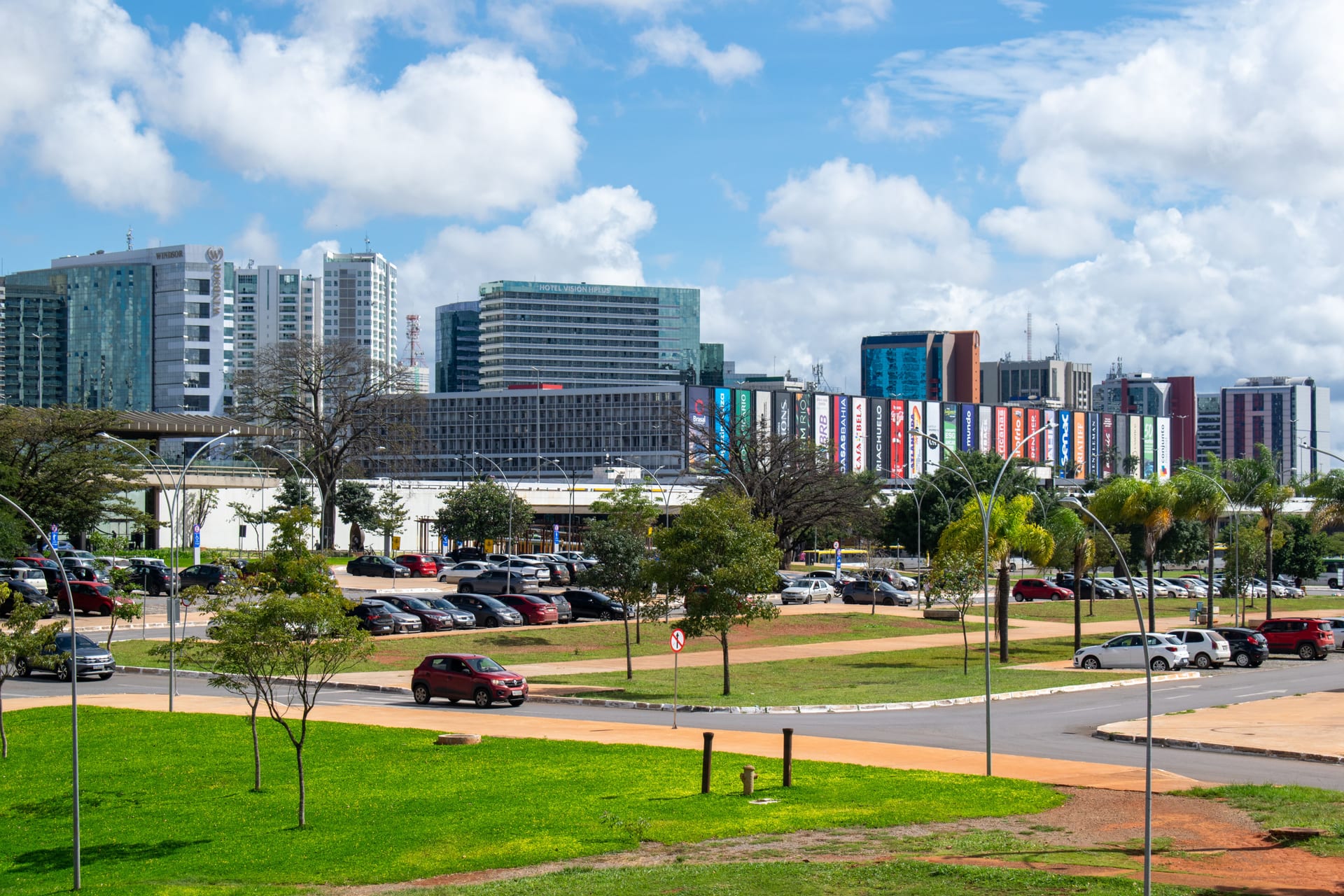
Brasília was designed around the automobile and superblocks, so density is unusually low, walkability is poor, and getting around without a car is a daily struggle. Apartments tend to come with decent space, and the layout is orderly, but the mixed-use street life that animates São Paulo or Buenos Aires is largely missing.
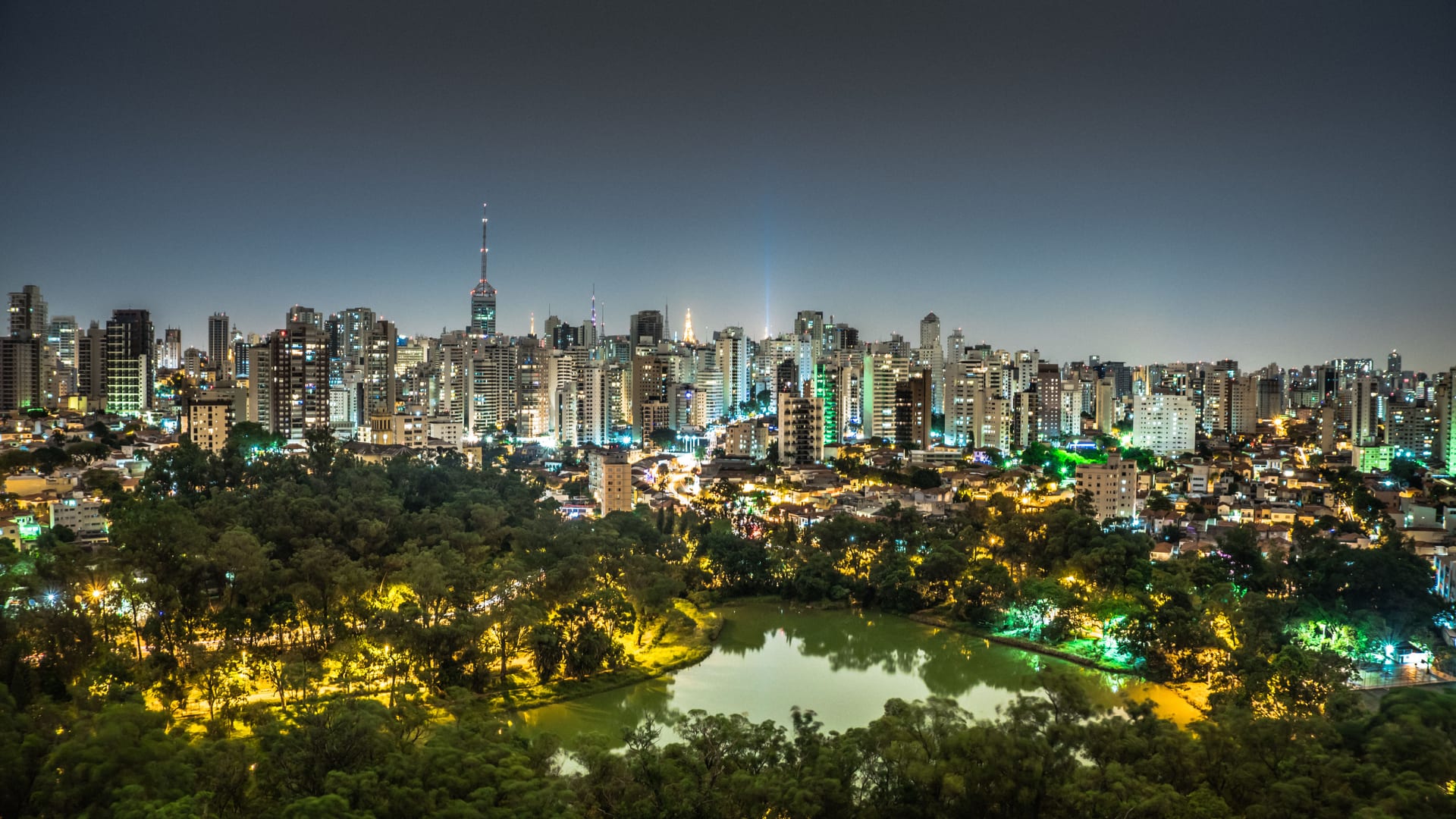
The pace is quick, mixed-use neighbourhoods are walkable in pockets, but the sheer scale means car dependency and sprawl shape daily life. Where Rio is defined by its coastline, São Paulo is defined by its endless verticality and energy.
Safety lands in the middle of the Brazilian pack: violent and petty crime register lower than in São Paulo or Bogotá, and the orderly central districts feel calmer. Night-time confidence is still limited, and national political stability has been shaky in recent years.
Safety is a serious concern and honesty matters here. While the homicide picture has improved markedly, street crime, phone-snatching and a real wariness after dark are part of the rhythm, and perceived safety stays low.
Brasília runs on government, so the job market is narrow and heavily public-sector, with weaker industry breadth, tech and startup activity than São Paulo or Mexico City. Hospital access and overall care quality are respectable for the region, on par with São Paulo and better than Mexico City, helped by the capital's concentration of public and private facilities.
São Paulo has a broad local market, with strong job options and unusually dense professional networks. Healthcare is middling.
As a young administrative capital, Brasília trails the cultural depth of São Paulo, Rio, and Buenos Aires across restaurants, nightlife, and street-level culture. Brasilia is the planned exception, orderly and decently kept across its monumental zone.
Culture and food are the city's crown. Sao Paulo is huge and gritty, graffiti and traffic everywhere, with only pockets genuinely kept.
São Paulo is the stronger choice if you need professional breadth and can navigate the language and local-pay realities. Brasília suits a calmer life or work tied to government. Think through mobility and climate before choosing the larger market.
These numbers treat everyone the same. The quiz weighs them by your budget, climate taste, family and work, and ranks all 283 cities for you.