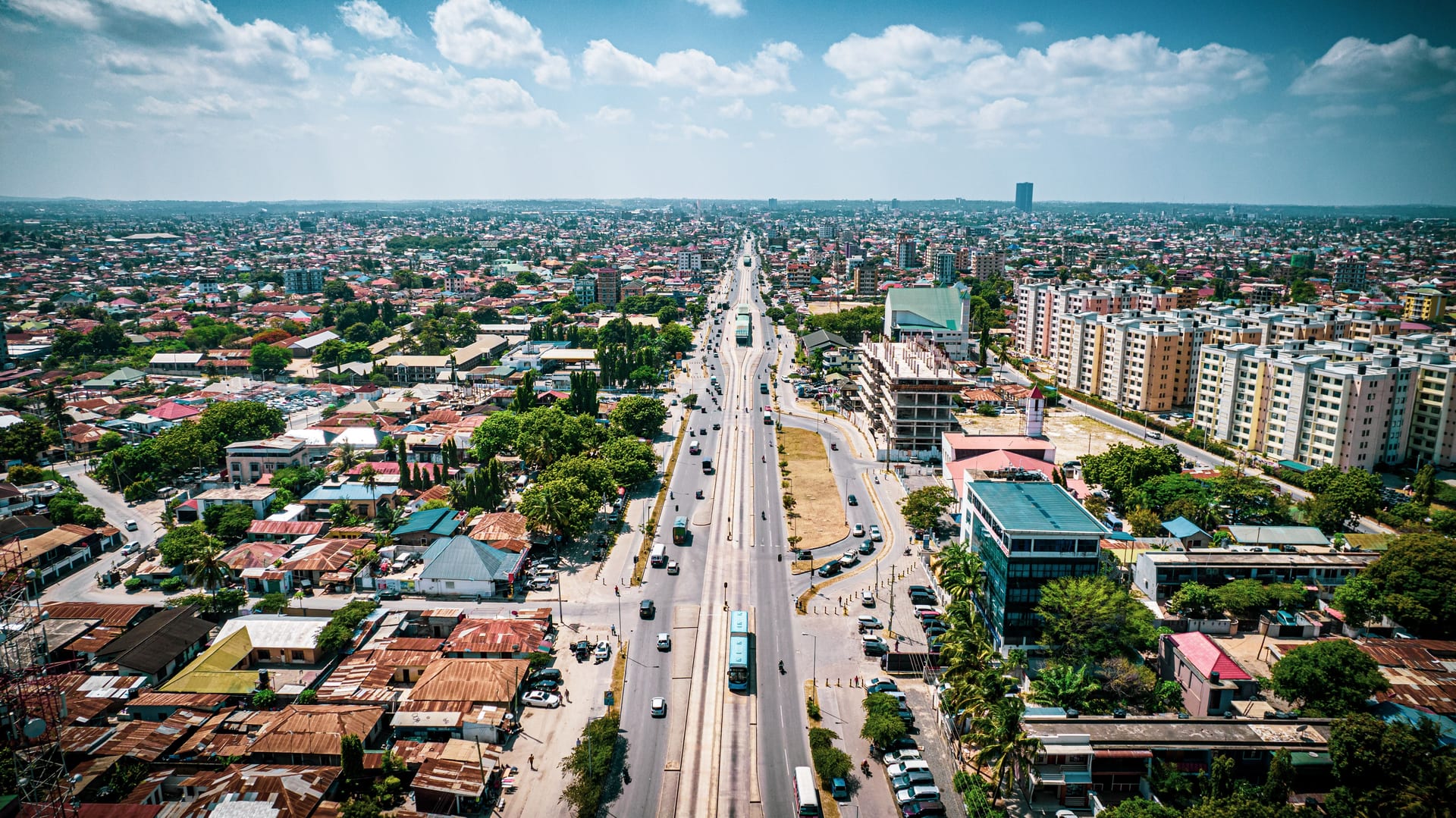
 Tanzania
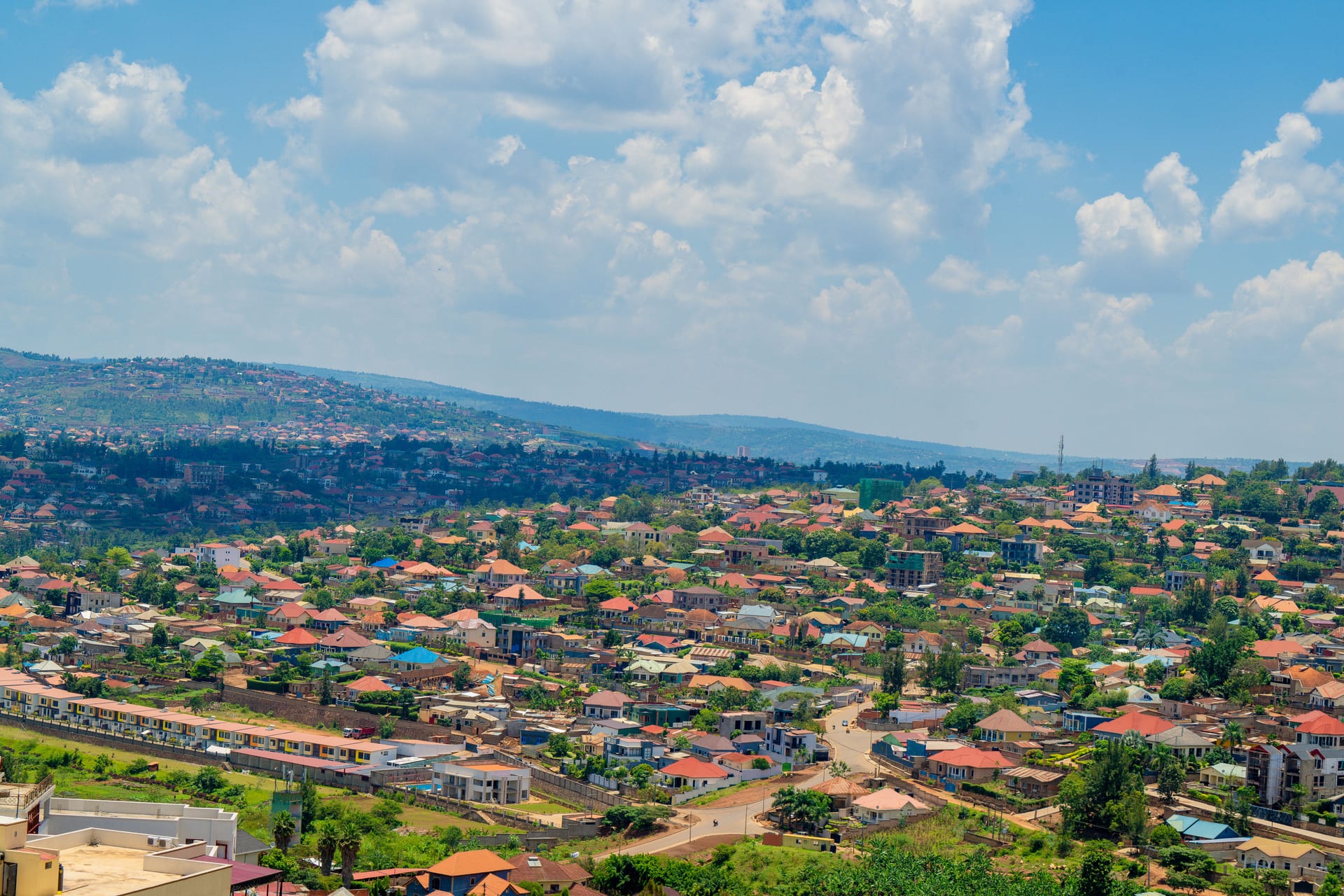
 Rwanda
Dar es Salaam makes sense if
- You want the easier housing and budget equation in this comparison.
- You want the deeper culture and food scene.
Dar es Salaam is a sprawling coastal city, where street food and seaside hangouts bring people outdoors despite patchy public upkeep. Kigali is noticeably cleaner and calmer, with orderly streets and a stronger safety profile, though it is more car-dependent than its tidy appearance suggests.
The grey shape is all 283 cities; each row says whether lower or higher is better. Ratings out of 10 are our reviewed estimates; the rest is published data. How we measure
Set how much each area counts. The ranking updates as you go. Climate and values are left out because there is no better or worse there, only your taste.
Leads on nature & outdoors, city life, safety & health, work & family and moving & settling in; stands out for clean, cared-for streets and mountains.
Leads on money; stands out for beach & sea and train connections.
Scores out of 100, averaged from the areas you weighted. For a ranking built around your own situation, take the quiz.
Rent on a new lease, everyday prices and tax.
The year month by month. Whether it suits you is yours to judge.
Solid line: average daytime high. Dashed: night-time low. Point at the chart for any month; point at a city name to shade its range.
How easily you get to water, mountains and green space.
Getting around on foot, food, culture and the feel of the streets.
Crime, how safe people feel, and the care you would get.
Jobs, working culture, schools and raising kids.
Visas, language, paperwork and staying connected.
Where each city sits. There is no right end of these scales.
A vast, low-rise, fast-spreading metropolis where getting around mostly means a car or a crowded daladala minibus. Walkability is poor, distances are long, and neighbourhood quality swings sharply from one area to the next.
Hilly terrain and reliance on cars or motorbike taxis mean it is only moderately walkable. Neighbourhoods are tidy and well-kept by regional standards, with a slow, residential feel that some find restful and others find sleepy.
Petty theft is a common concern, walking alone after dark is uncomfortable, and road danger is high. Political stability adds a wider uncertainty beyond ordinary street safety.
Kigali still feels orderly and comfortable in everyday life. Violent crime and petty theft are uncommon, and walking after dark is usually easy.
Dar es Salaam has a narrow local market, with limited industry breadth, modest English-language access, and a young technology scene. Doctors are scarce relative to the population, hospital access is limited, and emergency care cannot be relied on the way it can in wealthier hubs.
Kigali's local market is small and difficult, with high unemployment and a thin professional network. Healthcare is one of the real weak points.
The real strength is local culture. Dar es Salaam is hot, dense and littered, upkeep patchy across a sprawling, half-informal city.
The cultural and dining scene is modest and still emerging. Kigali is famously clean for the region, with a plastic-bag ban and orderly, swept streets that genuinely stand out.
Kigali is the stronger choice for a safer-feeling, cleaner day-to-day environment. Dar es Salaam offers a larger coastal city and more active street culture, but movement after dark and road risks need planning.
These numbers treat everyone the same. The quiz weighs them by your budget, climate taste, family and work, and ranks all 283 cities for you.