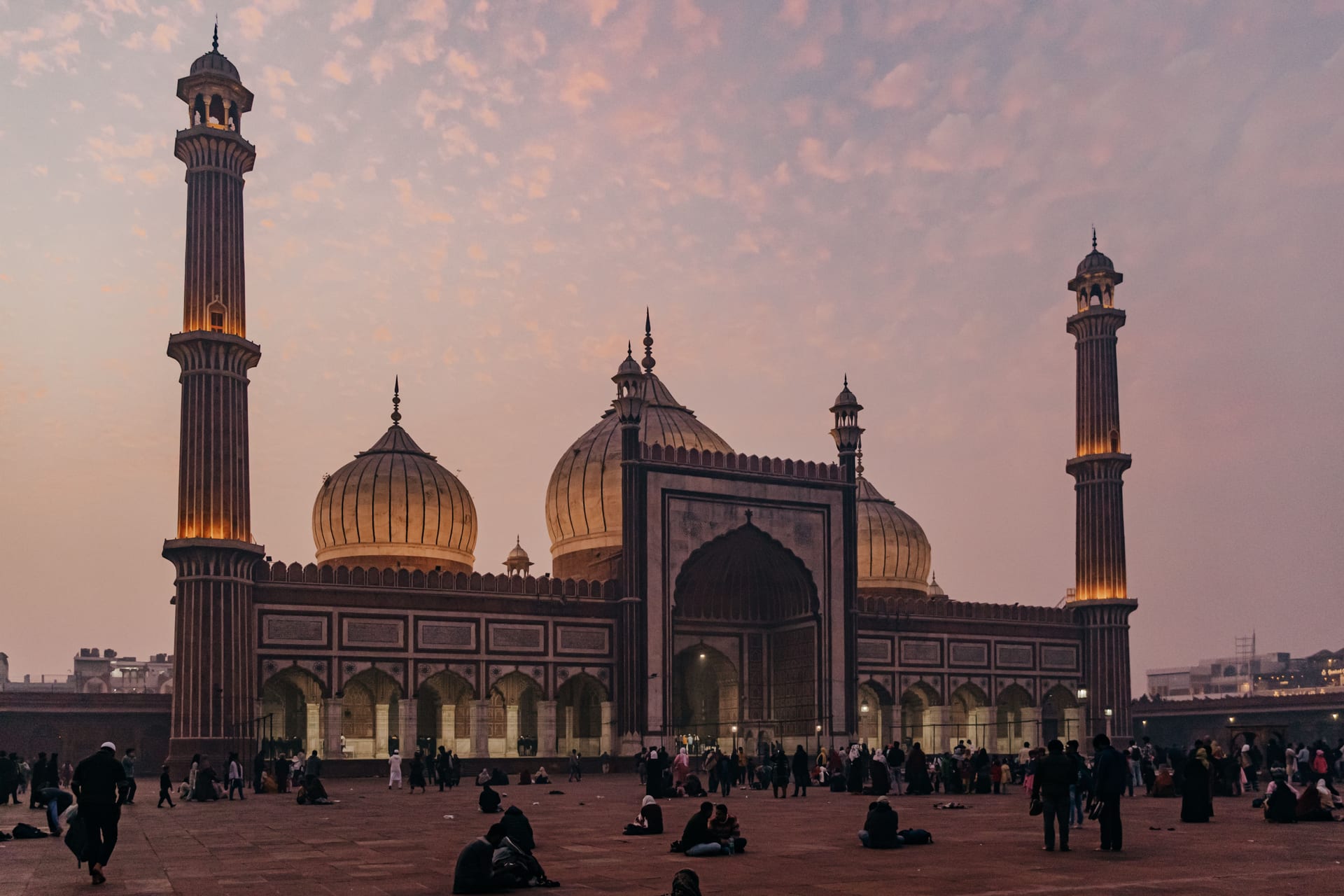
 India
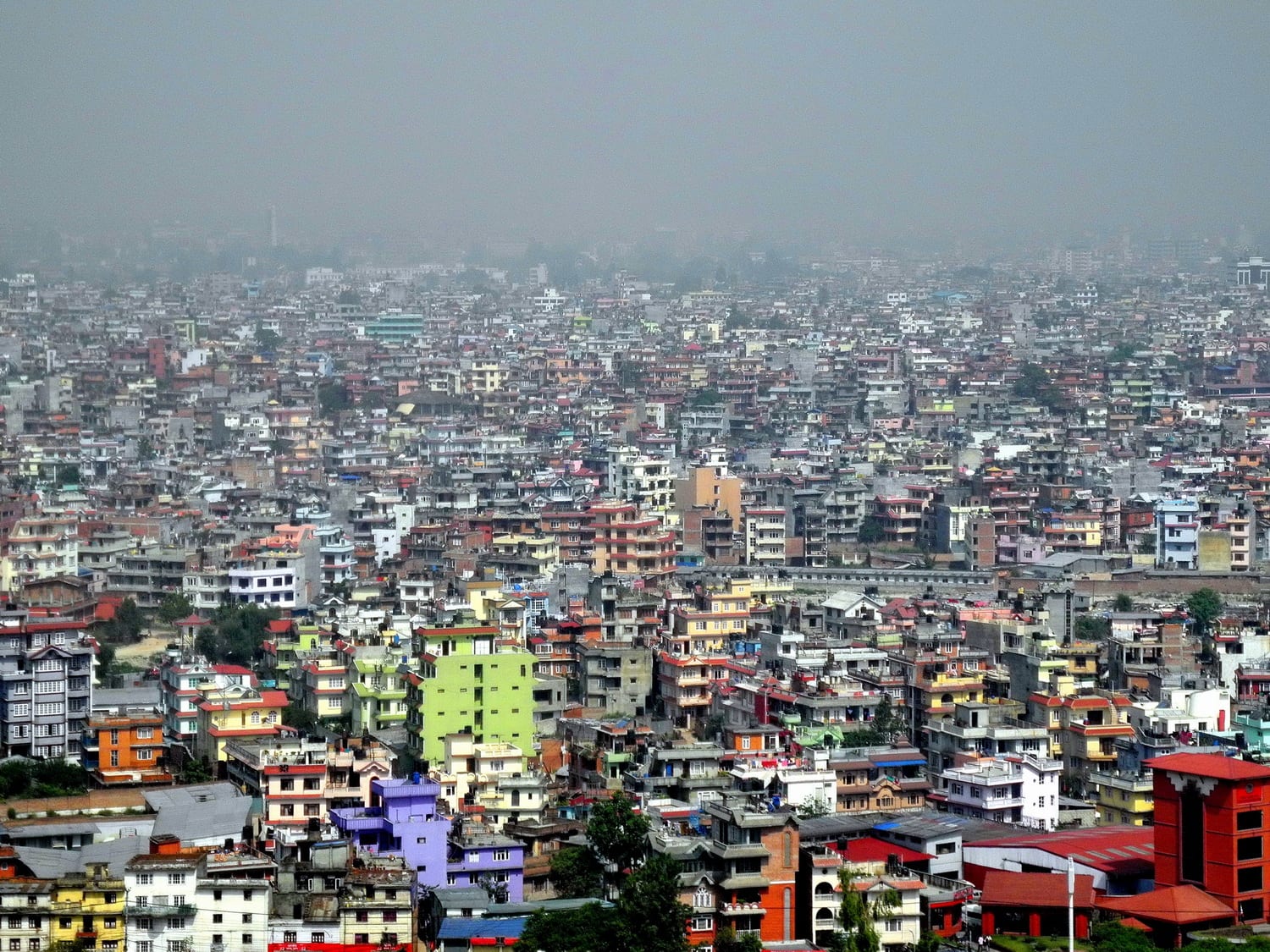
 Nepal
Delhi makes sense if
- You want the easier housing and budget equation in this comparison.
- Access to stronger healthcare matters most to you.
- You want the broader career options in this comparison.
Delhi and Kathmandu separate most clearly on career and healthcare. Delhi brings a deeper professional market, hospital capacity, Mughal-era urban scale and the lower listed rent. Kathmandu offers a calmer temple-city setting, but housing takes a larger share of typical local pay.
The grey shape is all 283 cities; each row says whether lower or higher is better. Ratings out of 10 are our reviewed estimates; the rest is published data. How we measure
Set how much each area counts. The ranking updates as you go. Climate and values are left out because there is no better or worse there, only your taste.
Leads on money, city life, work & family and moving & settling in; stands out for public transport and train connections.
Leads on nature & outdoors; stands out for hiking and mountains.
Scores out of 100, averaged from the areas you weighted. For a ranking built around your own situation, take the quiz.
Rent on a new lease, everyday prices and tax.
The year month by month. Whether it suits you is yours to judge.
Solid line: average daytime high. Dashed: night-time low. Point at the chart for any month; point at a city name to shade its range.
How easily you get to water, mountains and green space.
Getting around on foot, food, culture and the feel of the streets.
Crime, how safe people feel, and the care you would get.
Jobs, working culture, schools and raising kids.
Visas, language, paperwork and staying connected.
Where each city sits. There is no right end of these scales.
An enormous, sprawling metro that moves at a relentless pace, faster than Bengaluru, Bangkok or Manila. The density is high and the energy constant.
Kathmandu is a mid-sized, densely packed city rather than a sprawling megacity like Bangkok or Manila. Streets are tight, often unpaved at the edges, and built for getting by rather than for strolling, so walkability is poor and a vehicle helps.
Serious violent crime is comparatively low and the homicide rate sits below Manila and Bangkok. Traffic is hazardous and the broader political climate registers as less stable than the regional norm.
Violent crime is low and most residents feel safe day to day, with homicide rates well below Manila and on par with Colombo. The real hazards are on the road, where traffic is chaotic and dangerous, and in the background, where political stability has been shaky and protests are not rare.
A substantial local market gives Delhi plenty of English-language roles, a strong professional network and a lively startup and technology base. Healthcare access is a relative strength.
Kathmandu's local market is very thin, with little industry depth, weak startup activity, and few openings. Healthcare is one of Kathmandu's weakest points.
The food scene is among the best measured, from street stalls to fine dining, and vegetarian and vegan eating is genuinely world-class. Life is very cheap and densely social, with free monuments, festivals and street culture filling every evening.
Living culture is the city's strongest suit, a dense layer of temples, courtyards, and ritual woven into everyday life, easily a match for any city in the region. Kathmandu wears its dust, pollution and post-quake disrepair openly, with garbage a constant.
Choose Delhi for career breadth, private hospitals, large cultural institutions and the lower listed rent. Kathmandu suits a quieter base shaped by temple courtyards and mountain access, provided its thinner specialist care, job market and heavier local-pay housing burden fit your plans.
These numbers treat everyone the same. The quiz weighs them by your budget, climate taste, family and work, and ranks all 283 cities for you.