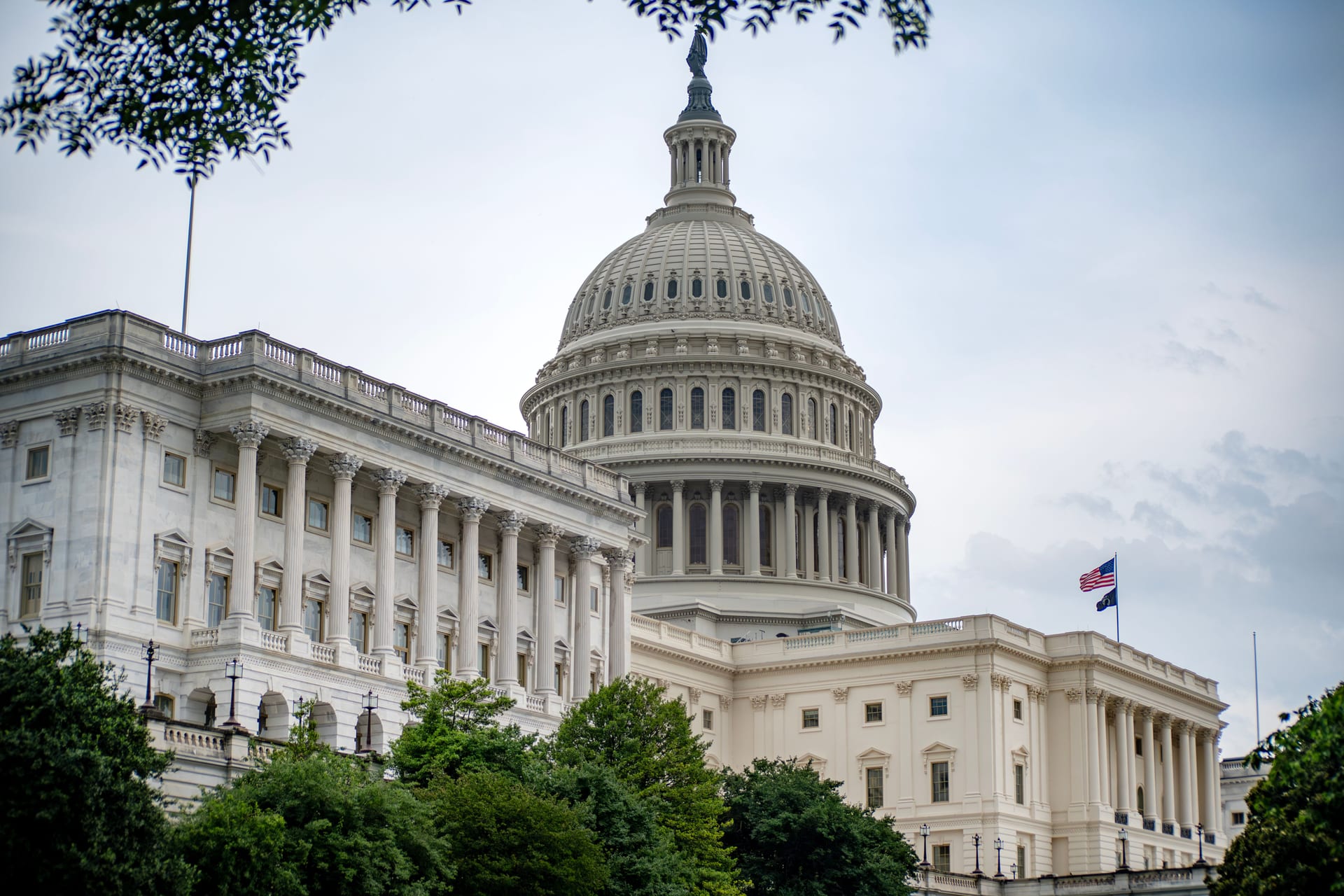
 United States
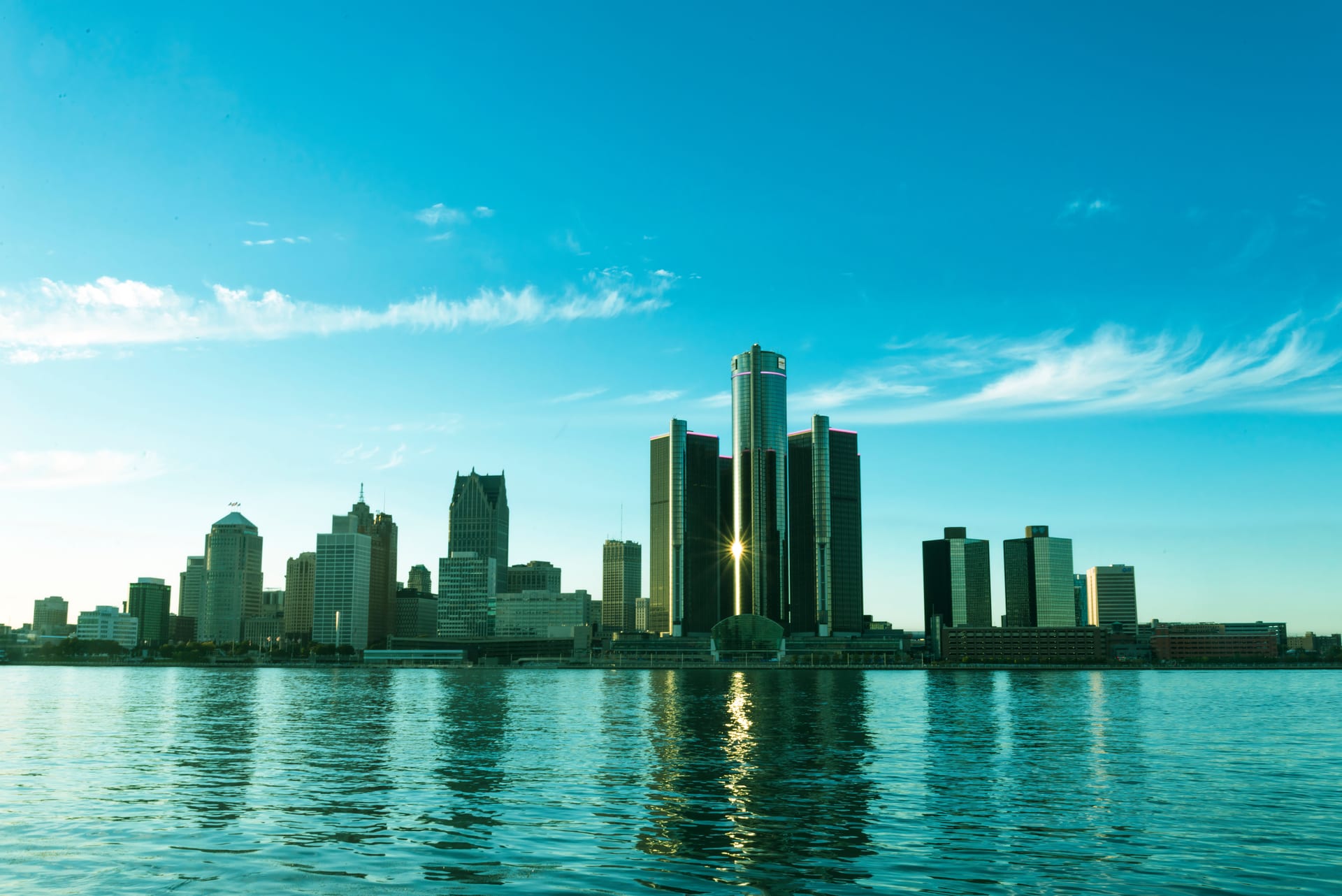
Detroit makes sense if
- You want the easier housing and budget equation in this comparison.
Detroit and Washington, D.C. make different trade-offs: Detroit keeps housing cheaper and offers a distinctive music culture, while Washington has the stronger public realm, career market and safety score.
The grey shape is all 283 cities; each row says whether lower or higher is better. Ratings out of 10 are our reviewed estimates; the rest is published data. How we measure
Set how much each area counts. The ranking updates as you go. Climate and values are left out because there is no better or worse there, only your taste.
Leads on nature & outdoors, city life, safety & health, work & family and moving & settling in; stands out for life without a car and public transport.
Leads on money; stands out for easier house-hunting and space for the money.
Scores out of 100, averaged from the areas you weighted. For a ranking built around your own situation, take the quiz.
Rent on a new lease, everyday prices and tax.
The year month by month. Whether it suits you is yours to judge.
Solid line: average daytime high. Dashed: night-time low. Point at the chart for any month; point at a city name to shade its range.
How easily you get to water, mountains and green space.
Getting around on foot, food, culture and the feel of the streets.
Crime, how safe people feel, and the care you would get.
Jobs, working culture, schools and raising kids.
Visas, language, paperwork and staying connected.
Where each city sits. There is no right end of these scales.
The car is central to daily life, and poor walkability leaves neighbourhoods disconnected. In return, housing space is generous and the suburbs are generally comfortable, making the pace easier for residents who do not need a dense core.
A walkable, human-scaled capital with a strong transit spine, leafy rowhouse neighbourhoods, and suburbs that rank among the better ones in the country. Compared with New York it is far smaller and lower-density, which suits people who want a city that stays legible.
The honest weak point. Detroit carries one of the higher homicide rates among large American cities, and perceived safety, especially after dark, runs low.
The homicide rate is high for an American capital and clearly above peers like New York, and perceptions of street and night-time safety reflect that. Day-to-day risk varies sharply by neighbourhood.
Detroit has a workable job market and very strong access to English-language work, with unemployment slightly below the comparison midpoint. Solid clinical care anchored by major hospital systems, with strong emergency response and good specialist access by regional standards.
Work in Washington sits within an unusually strong English-speaking market, backed by broad industries and some of the densest professional networks in the set. The clinical side is excellent, with top-tier hospitals, strong specialist access, and care delivered entirely in English.
Birthplace of Motown and a pillar of techno, the music and art scene rivals far larger cities, backed by serious museums and a fiercely local creative identity. What stands out is how cheap it is: free festivals and a deep music heritage give the city life on almost no budget.
World-class on museums and institutions, anchored by the free Smithsonian collections that few cities can rival, plus a serious music and arts scene. Washington's monumental core is tidy and genuinely walkable, built around the National Mall, broad plazas and a civic landscape designed for crowds, even if upkeep frays in outer neighbourhoods.
Pick Washington, D.C. for professional depth, museums and the steadier safety result. Detroit is the more affordable choice with strong food and music identity, but neighbourhood selection matters in both cities.
These numbers treat everyone the same. The quiz weighs them by your budget, climate taste, family and work, and ranks all 283 cities for you.