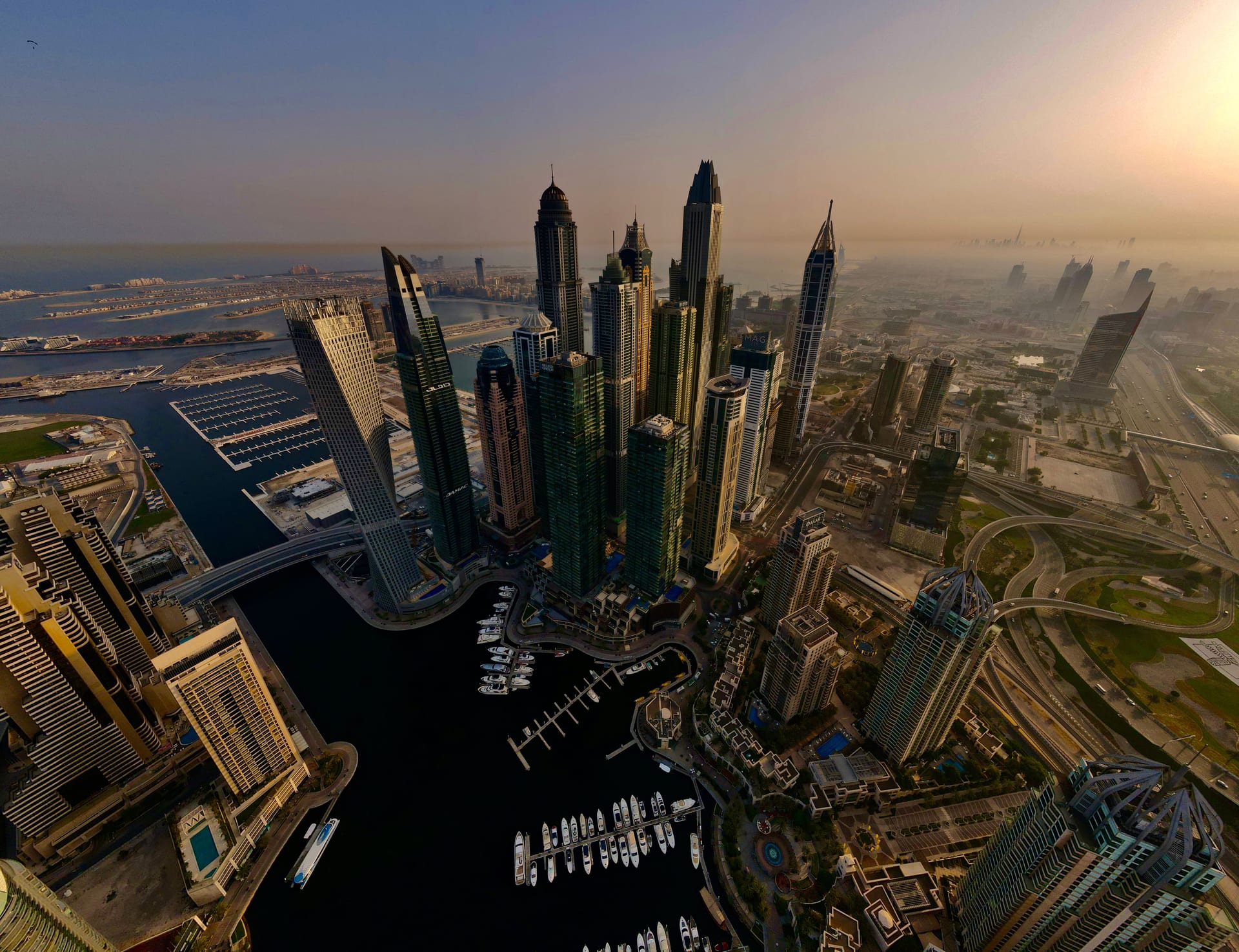
 United Arab Emirates
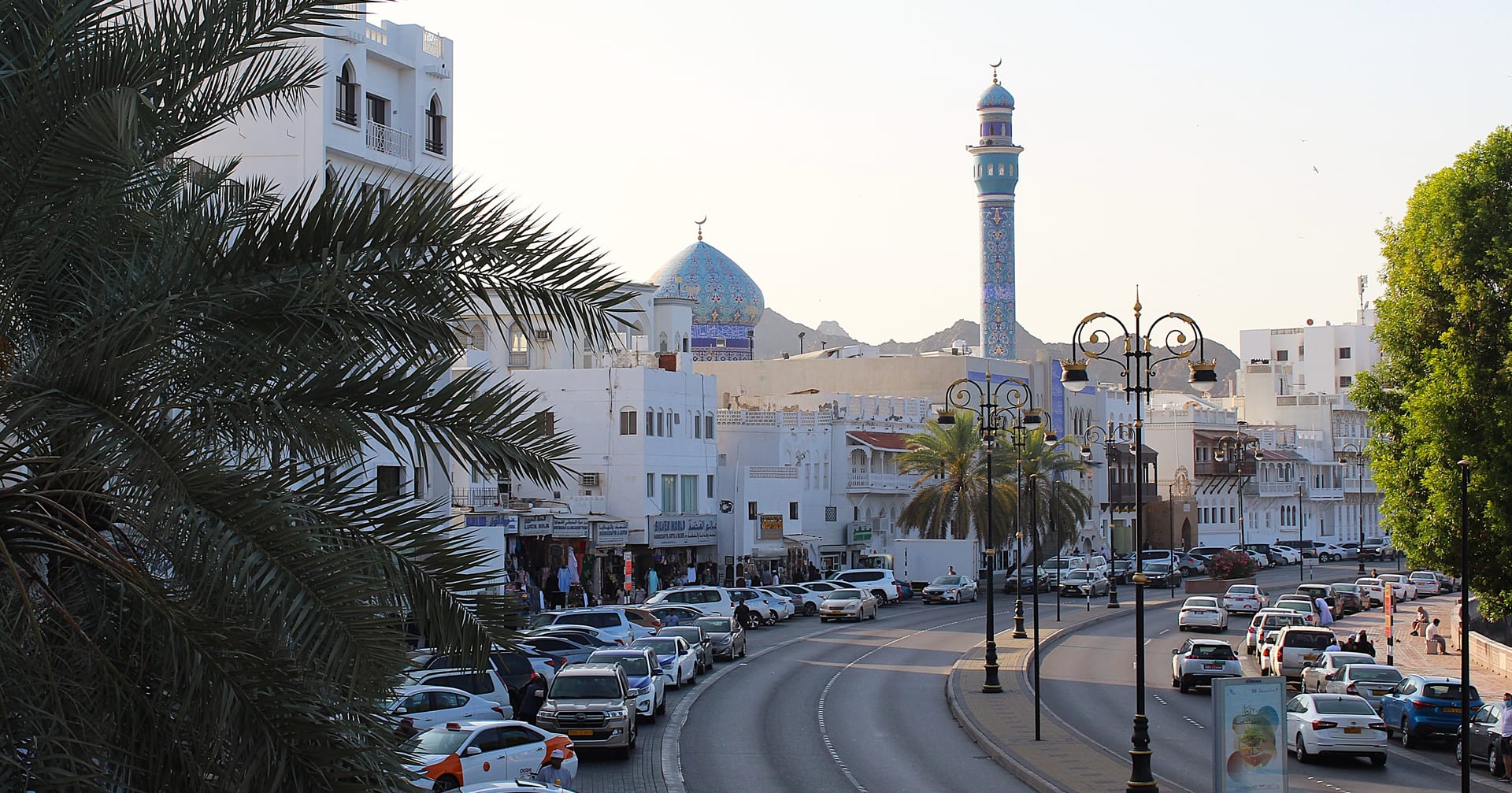
 Oman
Dubai makes sense if
- A calmer day-to-day safety profile matters most to you.
- Access to stronger healthcare matters most to you.
- You want the broader career options in this comparison.
Dubai offers a strong international job market, English-language work and modern private hospitals. Muscat moves at a quieter pace with reliable clinics, but its smaller professional networks leave fewer options for someone searching locally.
The grey shape is all 283 cities; each row says whether lower or higher is better. Ratings out of 10 are our reviewed estimates; the rest is published data. How we measure
Set how much each area counts. The ranking updates as you go. Climate and values are left out because there is no better or worse there, only your taste.
Leads on city life, safety & health, work & family and moving & settling in; stands out for easier work permits and nightlife.
Leads on money and nature & outdoors; stands out for mountains and hiking.
Scores out of 100, averaged from the areas you weighted. For a ranking built around your own situation, take the quiz.
Rent on a new lease, everyday prices and tax.
The year month by month. Whether it suits you is yours to judge.
Solid line: average daytime high. Dashed: night-time low. Point at the chart for any month; point at a city name to shade its range.
How easily you get to water, mountains and green space.
Getting around on foot, food, culture and the feel of the streets.
Crime, how safe people feel, and the care you would get.
Jobs, working culture, schools and raising kids.
Visas, language, paperwork and staying connected.
Where each city sits. There is no right end of these scales.
Built for cars and built fast, the city sprawls along highways with towers rising in clusters rather than continuous streets. Walking between districts is rarely practical and the pavement-level texture is patchy.
Walking and mixed-use street life are limited, so daily errands usually require a car. The payoff is more generous housing space and a slower, quieter pace than a dense metropolis.
Violent crime is rare, petty theft is uncommon, and walking around late at night feels secure across the city, all underpinned by heavy policing. Roads are safer than much of the wider region.
Muscat is exceptionally calm in everyday life. Serious violence and petty theft are both uncommon, and walking after dark feels comfortable across the city.
Dubai offers a strong, international job market with low unemployment and many English-language roles. Private medicine is modern and well-equipped, with strong hospitals, reliable emergency care, and English spoken throughout, which smooths arrival enormously.
Muscat's low unemployment and accessible English-language roles soften a narrow local market. Solid without being top-tier.
Restaurants span the globe and the international crowd is the most cosmopolitan anywhere nearby, so most cuisines and communities are represented. Dubai is new and manicured, its public face sanitised and well-maintained.
Muscat keeps a strong, authentic Omani character that Dubai has largely traded away, and the expat community is sizeable and welcoming. Muscat is notably clean and orderly, a low-rise capital that feels cared-for.
Dubai is the better base for a defined career path and dependable hospital access, with private insurance part of the arrangement. Muscat suits someone with work secured who prefers a quieter city and can accept a narrower market.
These numbers treat everyone the same. The quiz weighs them by your budget, climate taste, family and work, and ranks all 283 cities for you.