 Italy
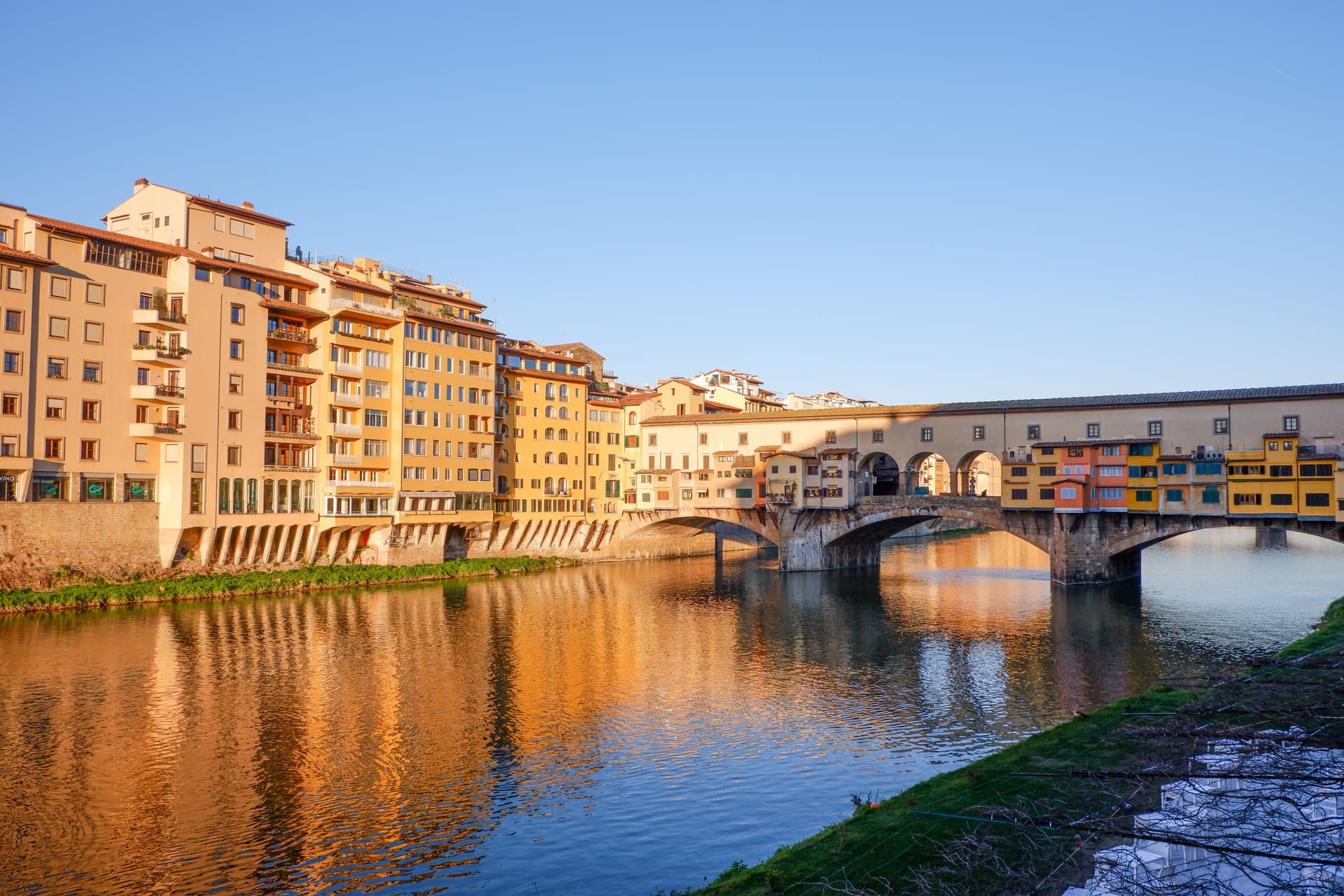
Florence makes sense if
- A calmer day-to-day safety profile matters most to you.
- Access to stronger healthcare matters most to you.
- You want the broader career options in this comparison.
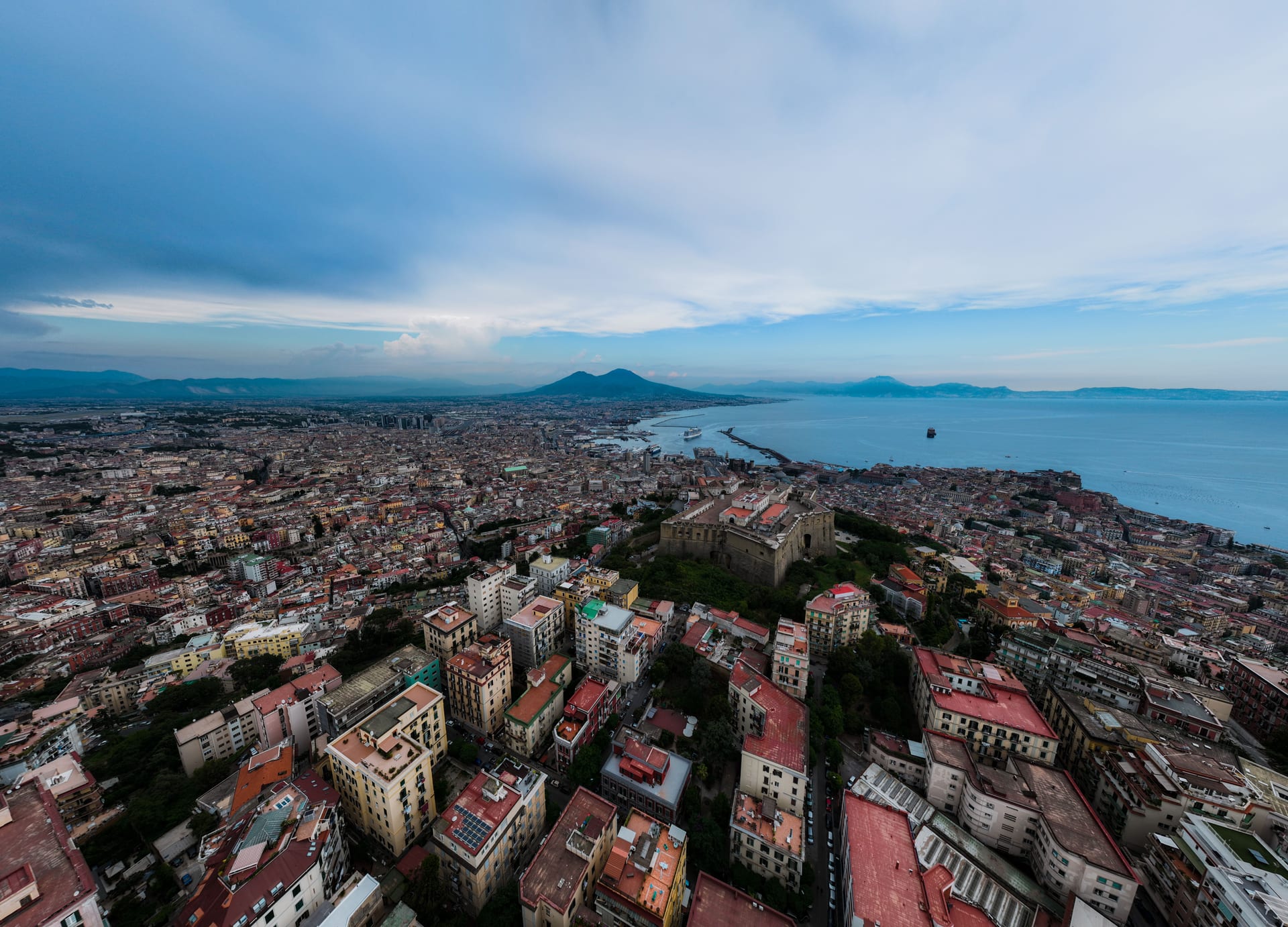
Florence’s Renaissance centre is compact enough to make art, food, and handsome public spaces part of ordinary errands, though crowds are hard to avoid. Naples is louder and more improvisational, with a stronger sense of local street life and lower rents, but daily logistics can be rougher.
The grey shape is all 283 cities; each row says whether lower or higher is better. Ratings out of 10 are our reviewed estimates; the rest is published data. How we measure
Set how much each area counts. The ranking updates as you go. Climate and values are left out because there is no better or worse there, only your taste.
Leads on city life, safety & health and work & family; stands out for childcare and emergency care.
Leads on money and nature & outdoors; stands out for beach & sea and easier house-hunting.
Scores out of 100, averaged from the areas you weighted. For a ranking built around your own situation, take the quiz.
Rent on a new lease, everyday prices and tax.
The year month by month. Whether it suits you is yours to judge.
Solid line: average daytime high. Dashed: night-time low. Point at the chart for any month; point at a city name to shade its range.
How easily you get to water, mountains and green space.
Getting around on foot, food, culture and the feel of the streets.
Crime, how safe people feel, and the care you would get.
Jobs, working culture, schools and raising kids.
Visas, language, paperwork and staying connected.
Where each city sits. There is no right end of these scales.
Small and almost entirely walkable, with the kind of dense, mixed-use core where daily life happens on foot rather than by car. Neighbourhoods have real character and car dependency is low.
Dense, walkable, and packed tight, with daily life crammed into mixed-use streets where shops, homes, and markets pile on top of each other. The historic core rewards going on foot, and you rarely need a car for the basics.
Serious and violent crime is very low, and the city feels calm day and night by any reasonable measure. The real nuisance is petty theft, pickpocketing and bag-snatching that come with heavy tourist traffic, concentrated around the busiest sights.
Naples is safer on serious violence than its reputation suggests. What residents notice is petty theft, while feeling safe after dark varies by neighbourhood, so street awareness remains part of ordinary life.
Florence offers a livable base for people who bring work with them, but local progression is harder. Care is solid and broadly comparable to Rome, with reasonable hospital access and low out-of-pocket exposure under the public system.
Naples is a difficult place to build a local career. Middle of the road for Italy.
Tuscan cooking and the wine country at the doorstep are reason enough for many. Florence is tourist-worn but cared-for, its Renaissance core kept despite the crowds and grime.
Naples is in a league of its own here. Life here is very cheap and spills outdoors, with vibrant free street and waterfront culture, so long as you make peace with the grime.
Florence suits someone looking for a carefully preserved historic centre and a relatively orderly routine, particularly with work secured elsewhere. Naples is a better match for residents drawn to intense local character and everyday affordability who can tolerate weaker transport and bureaucracy.
These numbers treat everyone the same. The quiz weighs them by your budget, climate taste, family and work, and ranks all 283 cities for you.