 Italy
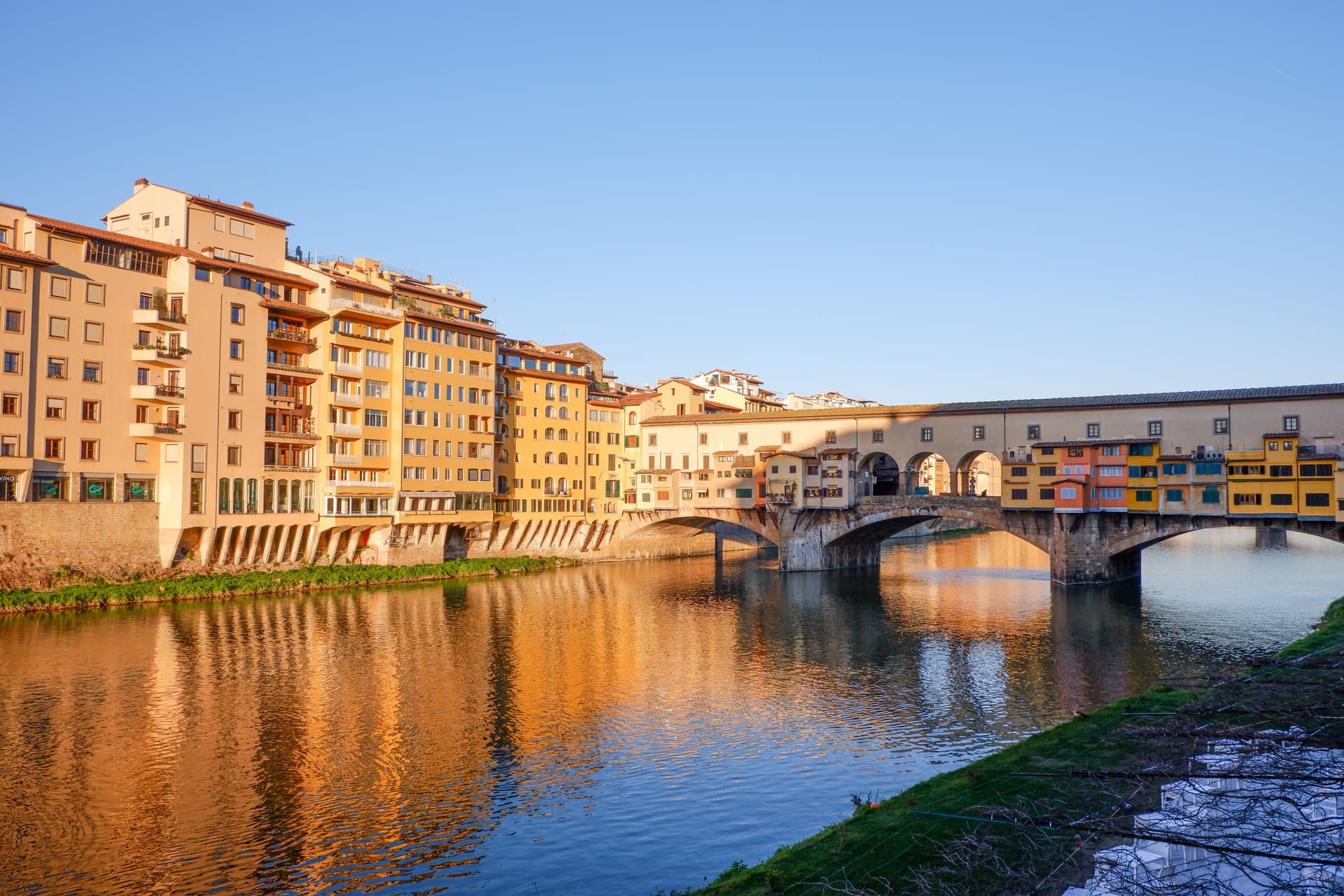
Florence makes sense if
- A calmer day-to-day safety profile matters most to you.
- Access to stronger healthcare matters most to you.
- You want the deeper culture and food scene.
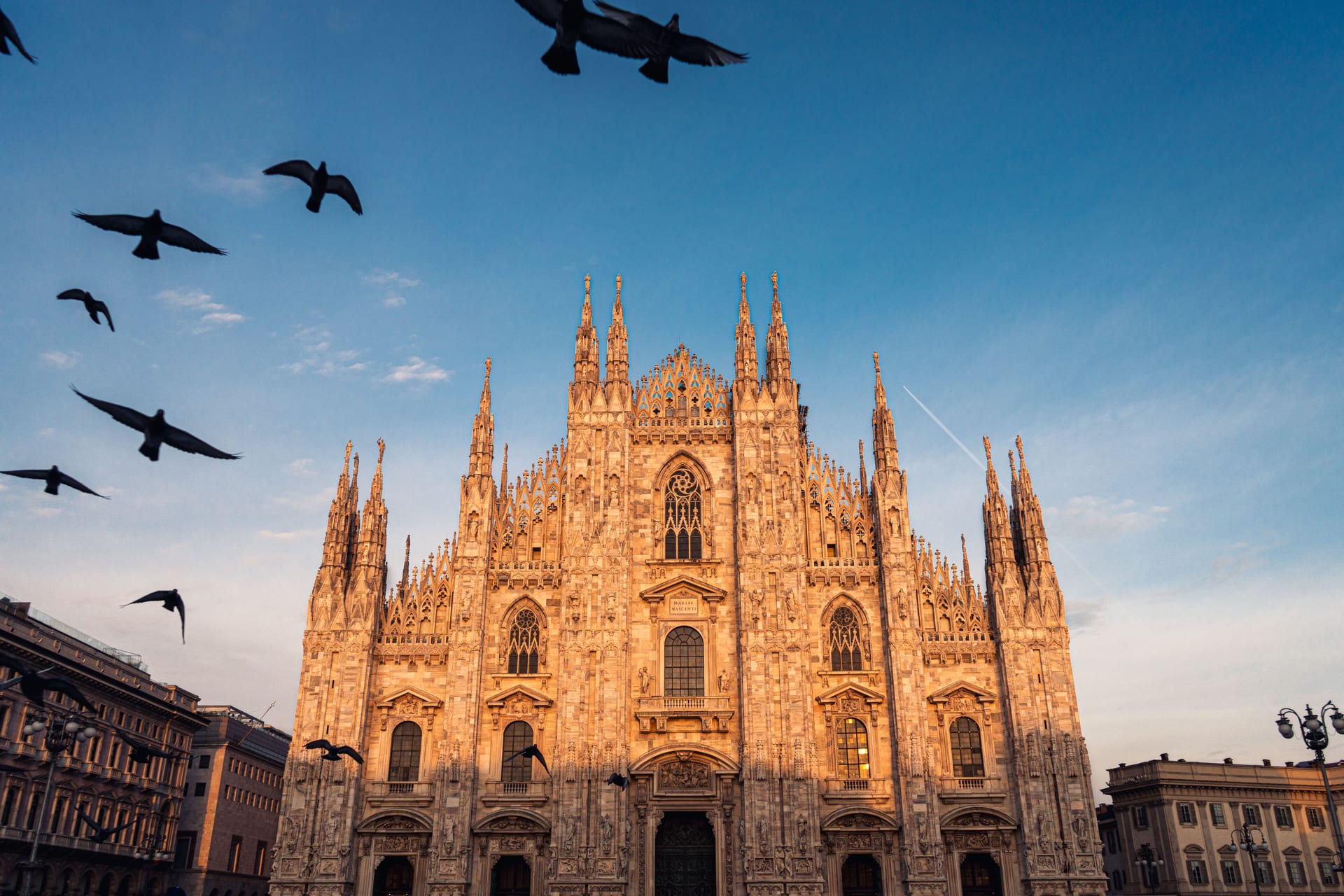
Florence’s Renaissance centre is compact and walkable, with the Ponte Vecchio, the Arno, and major art woven into daily errands, though visitors crowd its streets. Milan is more ambitious and work-oriented, with strong finance, fashion, and design networks alongside the Duomo, Galleria, and Navigli.
The grey shape is all 283 cities; each row says whether lower or higher is better. Ratings out of 10 are our reviewed estimates; the rest is published data. How we measure
Set how much each area counts. The ranking updates as you go. Climate and values are left out because there is no better or worse there, only your taste.
Leads on work & family and moving & settling in; stands out for professional network and mountains.
Narrowly best on safety & health: 69 vs Milan's 68; stands out for local culture and beach & sea.
Scores out of 100, averaged from the areas you weighted. For a ranking built around your own situation, take the quiz.
Rent on a new lease, everyday prices and tax.
The year month by month. Whether it suits you is yours to judge.
Solid line: average daytime high. Dashed: night-time low. Point at the chart for any month; point at a city name to shade its range.
How easily you get to water, mountains and green space.
Getting around on foot, food, culture and the feel of the streets.
Crime, how safe people feel, and the care you would get.
Jobs, working culture, schools and raising kids.
Visas, language, paperwork and staying connected.
Where each city sits. There is no right end of these scales.
Small and almost entirely walkable, with the kind of dense, mixed-use core where daily life happens on foot rather than by car. Neighbourhoods have real character and car dependency is low.
The fabric is dense and mixed, shops and cafes folded into residential blocks, so daily life happens on foot. The trade-off is space at home, where apartments run small.
Serious and violent crime is very low, and the city feels calm day and night by any reasonable measure. The real nuisance is petty theft, pickpocketing and bag-snatching that come with heavy tourist traffic, concentrated around the busiest sights.
Serious violent crime is rare and the streets feel calm in that respect. The everyday worry is petty theft: pickpocketing and bag-snatching around stations, transit and tourist crowds keep newcomers on guard, and late-night ease in some areas lags what you would feel in quieter Italian cities.
Florence offers a livable base for people who bring work with them, but local progression is harder. Care is solid and broadly comparable to Rome, with reasonable hospital access and low out-of-pocket exposure under the public system.
Milan has a solid local market, with strong industry fit across finance, fashion, and design. Care quality is genuinely strong, with some of Italy's best hospitals and specialists concentrated here, and out-of-pocket costs stay manageable under the public system.
Tuscan cooking and the wine country at the doorstep are reason enough for many. Florence is tourist-worn but cared-for, its Renaissance core kept despite the crowds and grime.
A heavyweight on food and culture, with serious restaurants, an espresso culture woven into the day, and a calendar of design, fashion and art that few cities can match. Milan is orderly and wealthy, cleaner than southern Italy though no one's idea of pristine.
Milan makes more sense for someone building a career in its major industries and seeking a larger cultural and dining scene, with high housing costs to weigh. Florence is compelling for art, food, and an intimate historic centre, especially for people whose work is not dependent on local hiring.
These numbers treat everyone the same. The quiz weighs them by your budget, climate taste, family and work, and ranks all 283 cities for you.