 Portugal
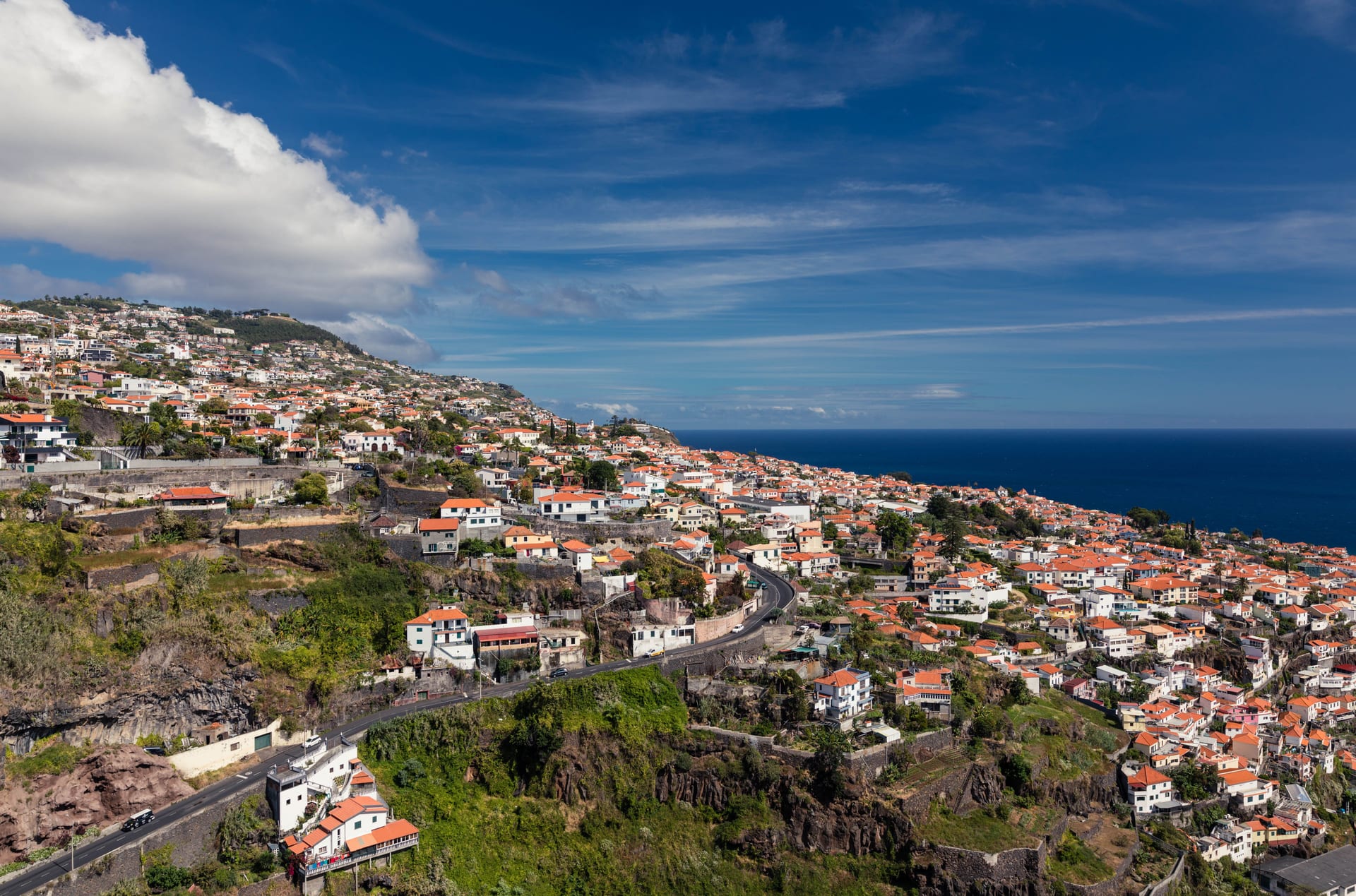
Funchal makes sense if
- You want the easier housing and budget equation in this comparison.
- A calmer day-to-day safety profile matters most to you.
- You value stronger public spaces and everyday city life.
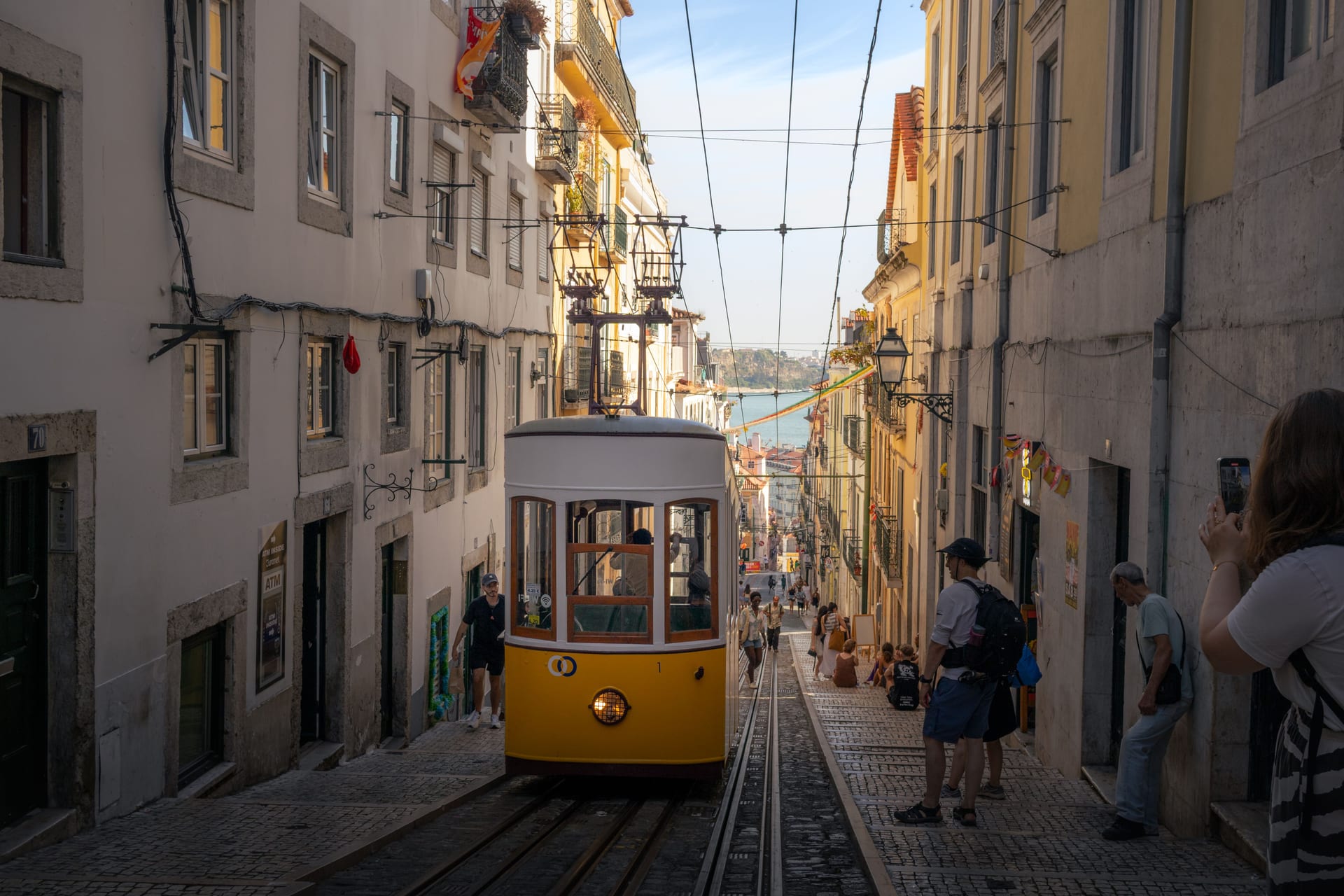
Funchal is a small Atlantic island capital, where gardens, a promenade, and mountains rising from the sea make the outdoors part of daily life. Lisbon is a larger mainland capital with more career and cultural options, bright weather, and a stronger base for remote work, though housing pressure is substantial.
The grey shape is all 283 cities; each row says whether lower or higher is better. Ratings out of 10 are our reviewed estimates; the rest is published data. How we measure
Set how much each area counts. The ranking updates as you go. Climate and values are left out because there is no better or worse there, only your taste.
Leads on city life, work & family and moving & settling in; stands out for train connections and startup & tech scene.
Leads on nature & outdoors; stands out for mountains and national parks nearby.
Scores out of 100, averaged from the areas you weighted. For a ranking built around your own situation, take the quiz.
Rent on a new lease, everyday prices and tax.
The year month by month. Whether it suits you is yours to judge.
Solid line: average daytime high. Dashed: night-time low. Point at the chart for any month; point at a city name to shade its range.
How easily you get to water, mountains and green space.
Getting around on foot, food, culture and the feel of the streets.
Crime, how safe people feel, and the care you would get.
Jobs, working culture, schools and raising kids.
Visas, language, paperwork and staying connected.
Where each city sits. There is no right end of these scales.
By any measure this is a small city, far more so than Lisbon or Porto, with low density and a calm, unhurried tempo. Neighbourhoods are pleasant and the streets walkable in the centre, but the hilly geography pushes many residents toward a car.
Lisbon is a walkable, low-rise capital where daily life happens on foot and a car is rarely essential. Neighbourhoods have a distinct character and street life mixes homes, shops and cafes at close quarters.
Among the safest places a person could move to. Political stability is solid.
Safety is among the city's strongest cards. Serious and violent crime are rare, and walking around after dark feels comfortable in most areas, on a par with the safest large European capitals.
Funchal is a difficult place to build a career from scratch. Healthcare is decent but noticeably thinner than on the mainland, which is part of island life.
Local employment is the weak point: the market is modest and unemployment is relatively high, while typical local employee pay is middling. Healthcare is solid and good value.
Culture here is local and rooted rather than cosmopolitan. Funchal is a well-kept Madeiran capital, its promenade and gardens tidy and bright.
Cafe life is woven into the day, the food scene is strong and unusually friendly to vegetarians and vegans, and there is a deep, distinctly Portuguese local identity to the place. The reward is a rich walkable realm: miradouros over the rooftops, the riverfront, praças tucked into the hills.
Lisbon is more practical for residents who need a wider professional network, services, and city life. Funchal is the better choice for someone who values mild island weather and a slower outdoors-led routine, and can accept limited local hiring and the distance from the mainland.
These numbers treat everyone the same. The quiz weighs them by your budget, climate taste, family and work, and ranks all 283 cities for you.