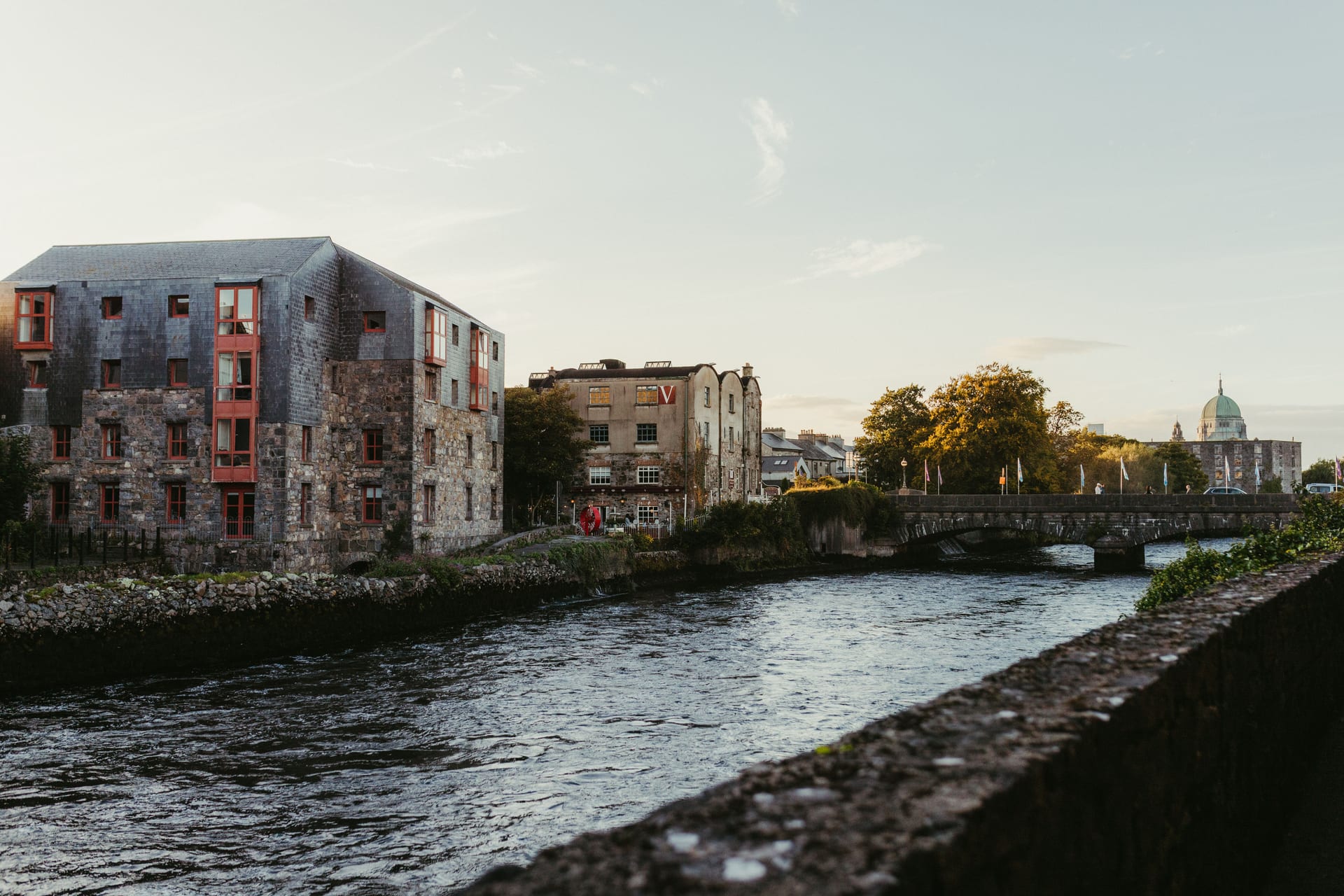
 Ireland
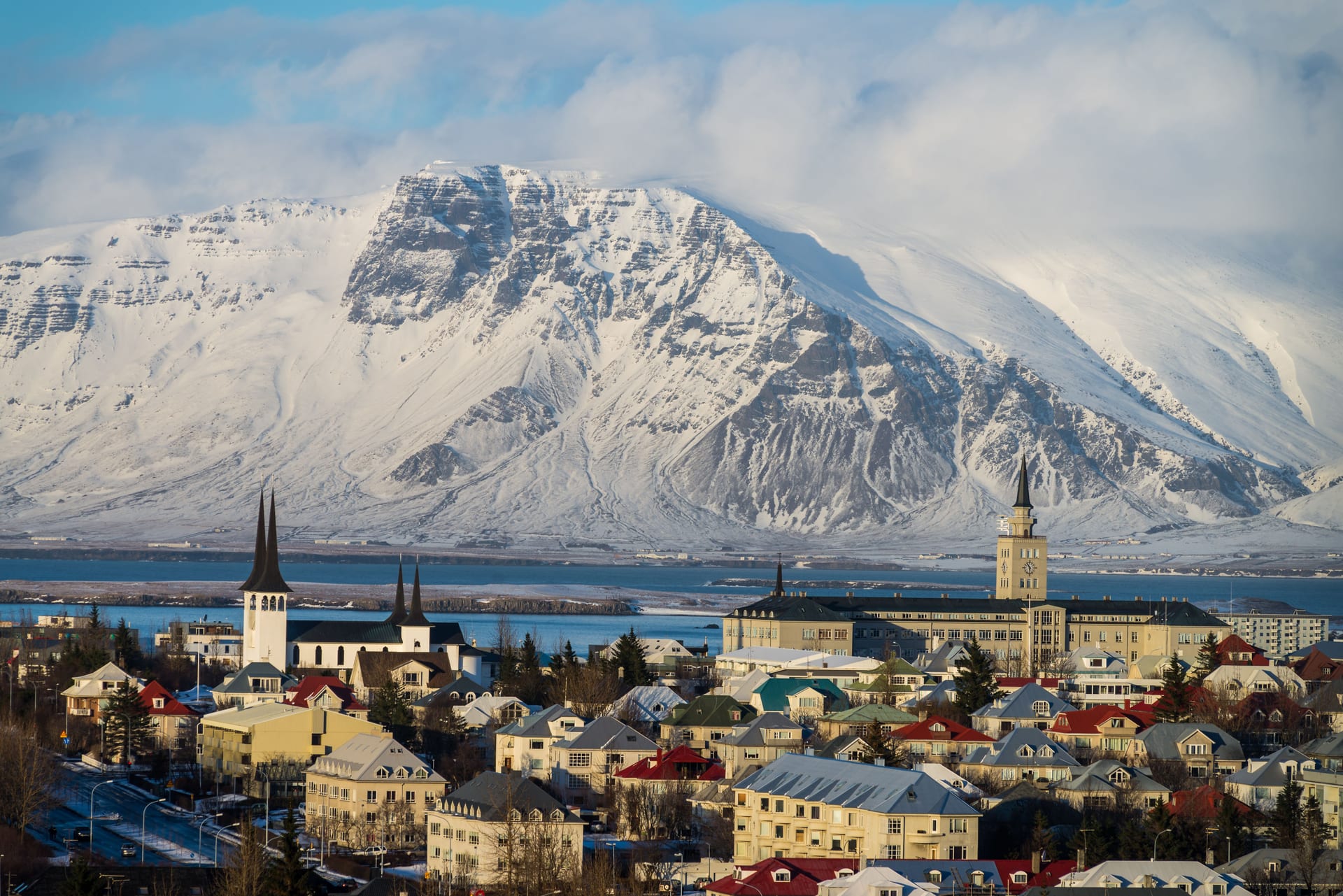
 Iceland
Galway makes sense if
- You want the easier housing and budget equation in this comparison.
Galway brings a compact, sociable centre of music and pubs to Ireland’s Atlantic edge, with Connemara close enough for regular escapes. Reykjavík is a much smaller northern capital in feel, where dramatic volcanic landscapes begin near town and everyday life moves at a quieter pace.
The grey shape is all 283 cities; each row says whether lower or higher is better. Ratings out of 10 are our reviewed estimates; the rest is published data. How we measure
Set how much each area counts. The ranking updates as you go. Climate and values are left out because there is no better or worse there, only your taste.
Leads on city life, safety & health and work & family; stands out for broadband speed and flight connections.
Leads on money; stands out for easier pet import and train connections.
Scores out of 100, averaged from the areas you weighted. For a ranking built around your own situation, take the quiz.
Rent on a new lease, everyday prices and tax.
The year month by month. Whether it suits you is yours to judge.
Solid line: average daytime high. Dashed: night-time low. Point at the chart for any month; point at a city name to shade its range.
How easily you get to water, mountains and green space.
Getting around on foot, food, culture and the feel of the streets.
Crime, how safe people feel, and the care you would get.
Jobs, working culture, schools and raising kids.
Visas, language, paperwork and staying connected.
Where each city sits. There is no right end of these scales.
A genuinely small city, low-density and easy to cross on foot, with a compact, mixed-use centre that rewards walking over driving. The pace is gentle, slower than Dublin and a world away from a big capital.
Reykjavík is small, low-density, and spread out, far more so than Oslo or Stockholm, which makes a car the default way to get around. Neighbourhoods are pleasant and the housing tends to be roomy, but the pace is slow and the urban fabric thin.
Among the city's quieter strengths. Violent crime is rare, the streets feel safe by day and largely so at night, and roads are well managed.
Reykjavík remains exceptionally safe in daily life. Violent crime and petty theft are limited, walking at night feels comfortable, and traffic risk is unusually low.
Work is possible, but Galway is a small local market with limited industry depth and a thinner professional network than a larger city. The huge advantage is that care is delivered entirely in English, removing the language stress that complicates healthcare elsewhere.
Reykjavík's labour market is narrow and specialised, so a foothold or a well-matched field matters. Care quality is solid and dependable, with reliable emergency services and very little friction reaching the system.
Galway has one of Ireland's liveliest music and arts scenes, a strong sense of local identity, and a nightlife and cafe culture that rival Dublin's despite the smaller population. Galway is a fairly tidy small city, with the usual coastal wear at the edges.
Local creative life is distinctive and genuine. Reykjavik is a clean little capital, fresh-aired and tidy.
Reykjavík is right for someone seeking exceptional landscape access and a tiny, safe capital, while accepting high living costs and limited city scale. Galway offers a livelier small-city social routine and easier access to a broad countryside region, with its own difficult housing market and wet weather.
These numbers treat everyone the same. The quiz weighs them by your budget, climate taste, family and work, and ranks all 283 cities for you.