 Poland
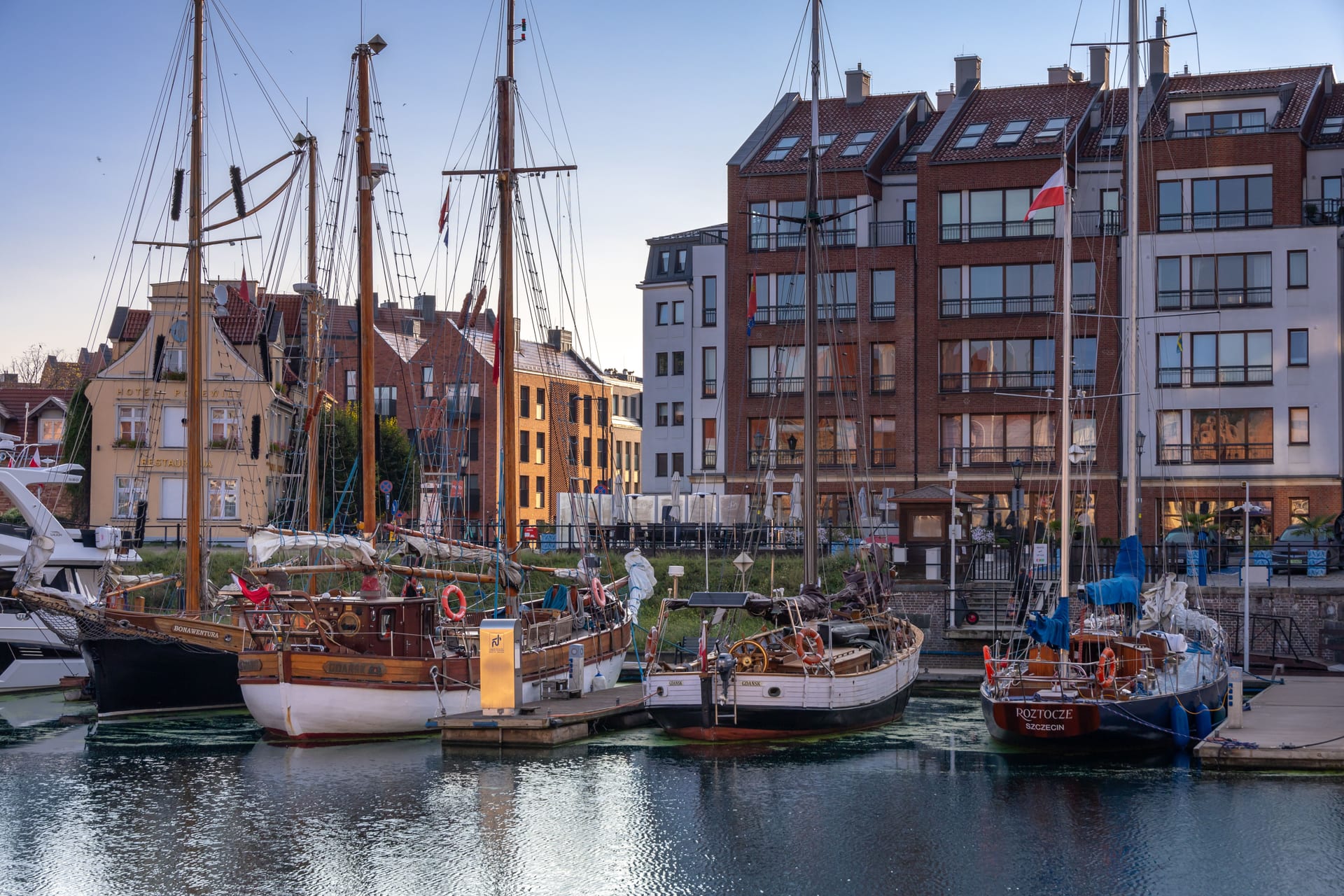
Gdańsk makes sense if
- You want the easier housing and budget equation in this comparison.
- You value stronger public spaces and everyday city life.
Gdańsk is a quieter Baltic city with a lower-density feel and a calmer daily pace; remote work can make its smaller local market easier to navigate. Warsaw is Poland’s fast-moving capital, with a broader professional and cultural base, though winter is long and dark and rent runs higher than in Gdańsk.
The grey shape is all 283 cities; each row says whether lower or higher is better. Ratings out of 10 are our reviewed estimates; the rest is published data. How we measure
Set how much each area counts. The ranking updates as you go. Climate and values are left out because there is no better or worse there, only your taste.
Leads on nature & outdoors; stands out for beach & sea and lakes & rivers.
Leads on safety & health; stands out for professional network and startup & tech scene.
Scores out of 100, averaged from the areas you weighted. For a ranking built around your own situation, take the quiz.
Rent on a new lease, everyday prices and tax.
The year month by month. Whether it suits you is yours to judge.
Solid line: average daytime high. Dashed: night-time low. Point at the chart for any month; point at a city name to shade its range.
How easily you get to water, mountains and green space.
Getting around on foot, food, culture and the feel of the streets.
Crime, how safe people feel, and the care you would get.
Jobs, working culture, schools and raising kids.
Visas, language, paperwork and staying connected.
Where each city sits. There is no right end of these scales.
Gdańsk has a low-density, walkable urban form with a strong mixed-use core and reasonably generous housing space. Most daily trips can be made without a car, though the outer city is less effortless.
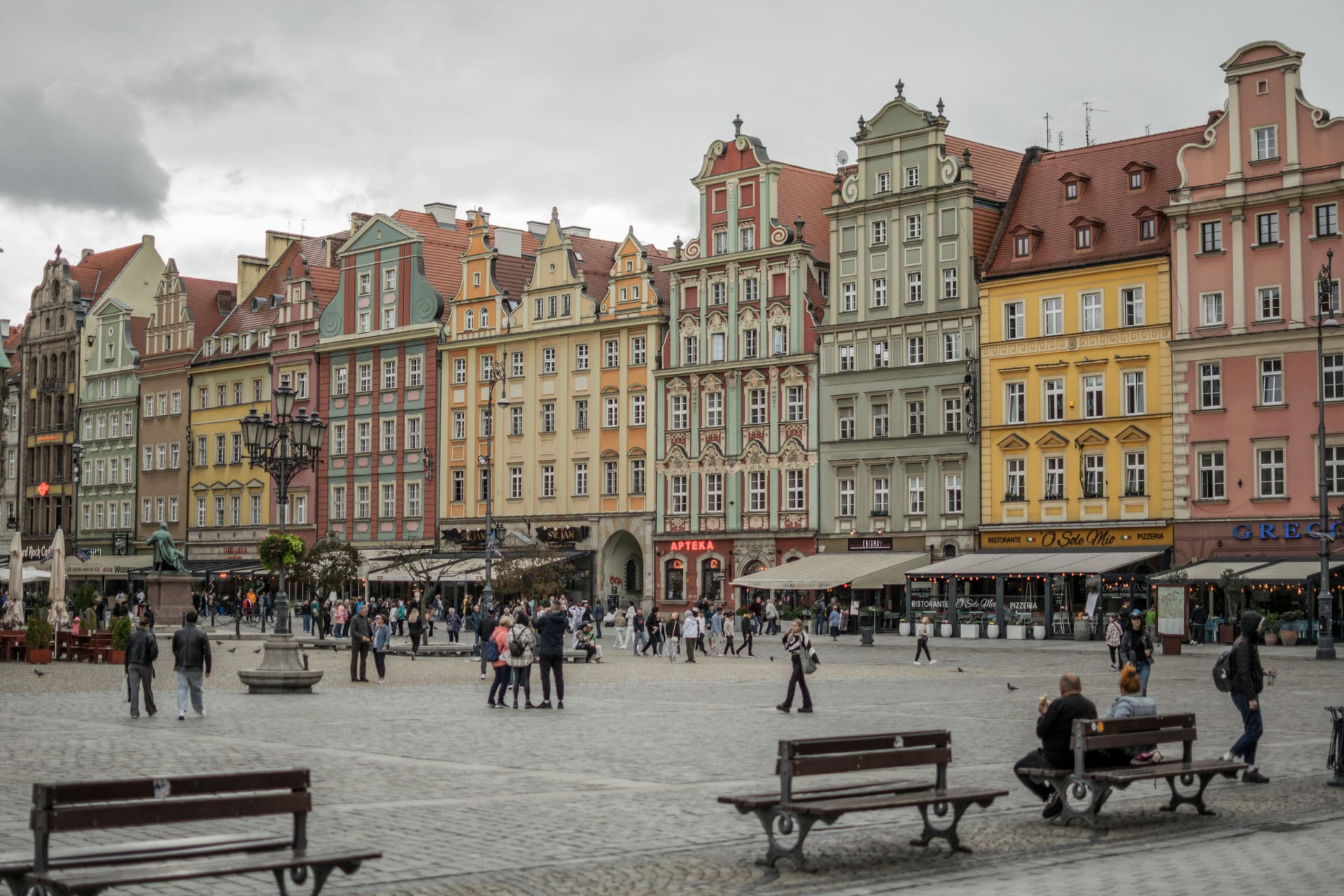
A walkable core with a genuinely usable transit network means a car is optional rather than essential, closer to Lisbon than to sprawling American cities. Rebuilt after near-total wartime destruction, Warsaw mixes a reconstructed historic centre with Soviet-era blocks and a cluster of glass towers, so the texture is uneven and resolutely modern.
A strong, reassuring axis. Violent crime is rare, the homicide rate is very low, and walking at night feels comfortable in most areas.
A clear strength. Violent crime is rare, the homicide rate is among the lowest of any large European capital, and people generally feel secure walking at night.
Local pay is modest, and English-language roles exist, but the professional network and startup base are thin. Hospital and emergency care are reliable and out-of-pocket exposure stays low, in line with the rest of Poland.
Warsaw offers a substantial local market, with low unemployment and a solid base in business services and technology. Broadly competent and very cheap to use, with reliable emergency care and reasonable hospital access.
Strong on local character, lighter on international polish. Gdansk is clean and orderly, its reconstructed old town immaculate, the Long Market and Motlawa waterfront a genuinely beautiful built core.
Livelier than its reputation suggests. Warsaw is clean and modern, its streets well-maintained, the rebuilt old town and riverside boulevards pleasant if patched with sprawl.
Warsaw is a more practical base for residents who need a broad job market and capital-city services. Gdańsk suits someone who prefers a measured coastal routine and has portable work, while accepting fewer local opportunities and limited winter light.
These numbers treat everyone the same. The quiz weighs them by your budget, climate taste, family and work, and ranks all 283 cities for you.