 Poland
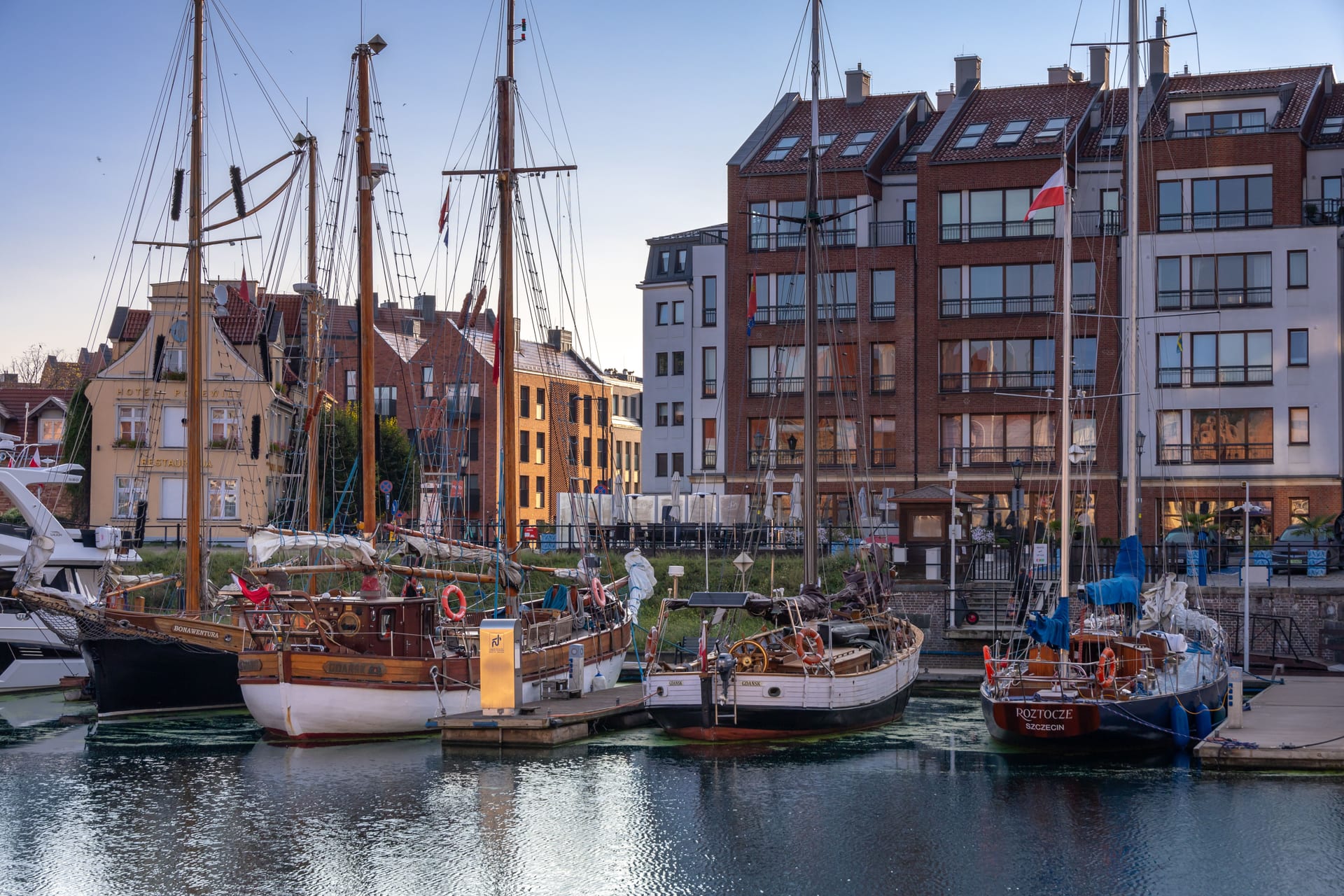
Gdańsk makes sense if
- A calmer day-to-day safety profile matters most to you.
- You want the deeper culture and food scene.
- You value stronger public spaces and everyday city life.
Gdańsk offers a lower-density Baltic setting with a calm pace and a useful fit for remote work, though its local market is smaller. Wrocław is also compact and walkable, but its stronger employment base makes it more viable for residents building a local career; both cities share dark winters.
The grey shape is all 283 cities; each row says whether lower or higher is better. Ratings out of 10 are our reviewed estimates; the rest is published data. How we measure
Set how much each area counts. The ranking updates as you go. Climate and values are left out because there is no better or worse there, only your taste.
Leads on nature & outdoors; stands out for beach & sea and forests.
Narrowly best on money: 73 vs Gdańsk's 72; stands out for mountains.
Scores out of 100, averaged from the areas you weighted. For a ranking built around your own situation, take the quiz.
Rent on a new lease, everyday prices and tax.
The year month by month. Whether it suits you is yours to judge.
Solid line: average daytime high. Dashed: night-time low. Point at the chart for any month; point at a city name to shade its range.
How easily you get to water, mountains and green space.
Getting around on foot, food, culture and the feel of the streets.
Crime, how safe people feel, and the care you would get.
Jobs, working culture, schools and raising kids.
Visas, language, paperwork and staying connected.
Where each city sits. There is no right end of these scales.
Gdańsk has a low-density, walkable urban form with a strong mixed-use core and reasonably generous housing space. Most daily trips can be made without a car, though the outer city is less effortless.
At city level, Wrocław is a mid-sized, walkable place with a compact mixed-use core and low day-to-day car dependence. Housing space is ordinary, and the overall tempo stays measured.
A strong, reassuring axis. Violent crime is rare, the homicide rate is very low, and walking at night feels comfortable in most areas.
Violent crime is very rare and the city feels secure walking around after dark. Theft is the one weaker spot: Wrocław records clearly more theft per resident than Warsaw or Kraków, so bikes and bags need ordinary city care.
Local pay is modest, and English-language roles exist, but the professional network and startup base are thin. Hospital and emergency care are reliable and out-of-pocket exposure stays low, in line with the rest of Poland.
Local pay remains modest, so the market is stronger than the earnings. Healthcare is competent and broadly accessible without being top-tier.
Strong on local character, lighter on international polish. Gdansk is clean and orderly, its reconstructed old town immaculate, the Long Market and Motlawa waterfront a genuinely beautiful built core.
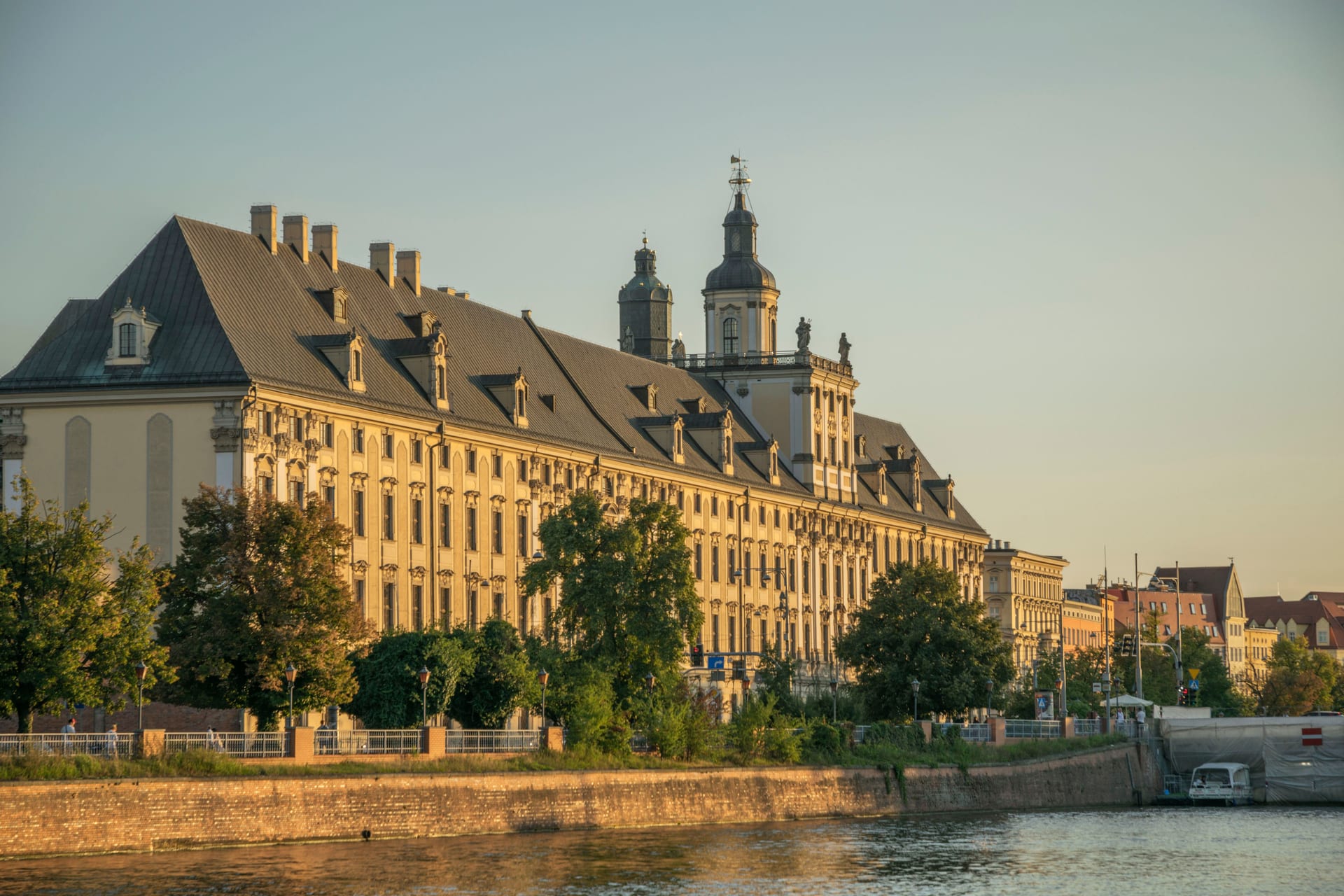
Museums and events are plentiful enough, and vegetarian eating is well catered for. Wroclaw is a clean, tidy city with a colourful, well-kept centre, its grand market square and river islands a genuinely lovely walkable core.
Wrocław is the better choice for someone relying on local employment and wanting an active, manageable city centre. Gdańsk is more appealing when a coastal setting and a quieter routine matter more than career depth.
These numbers treat everyone the same. The quiz weighs them by your budget, climate taste, family and work, and ranks all 283 cities for you.