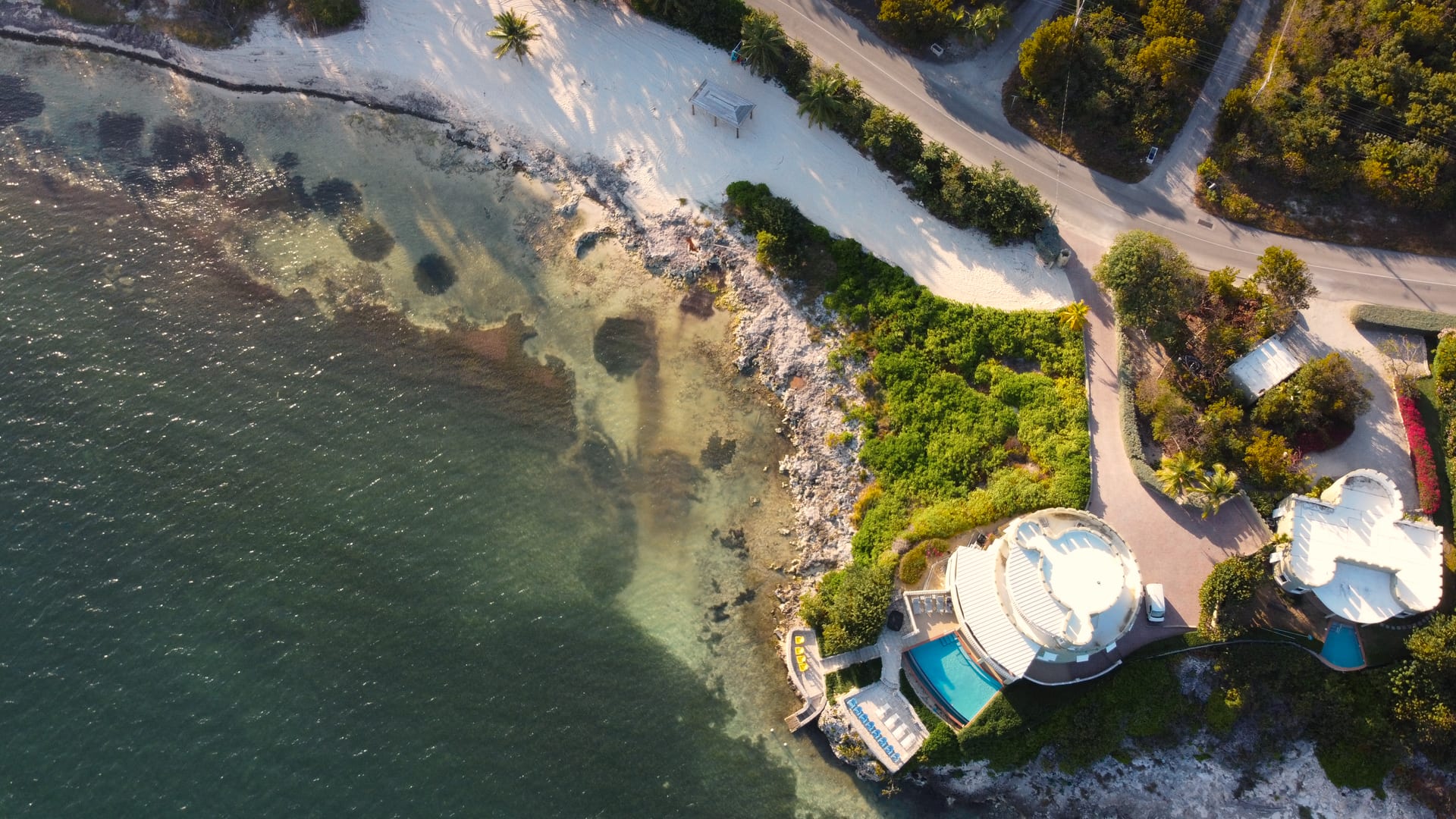
 Cayman Islands
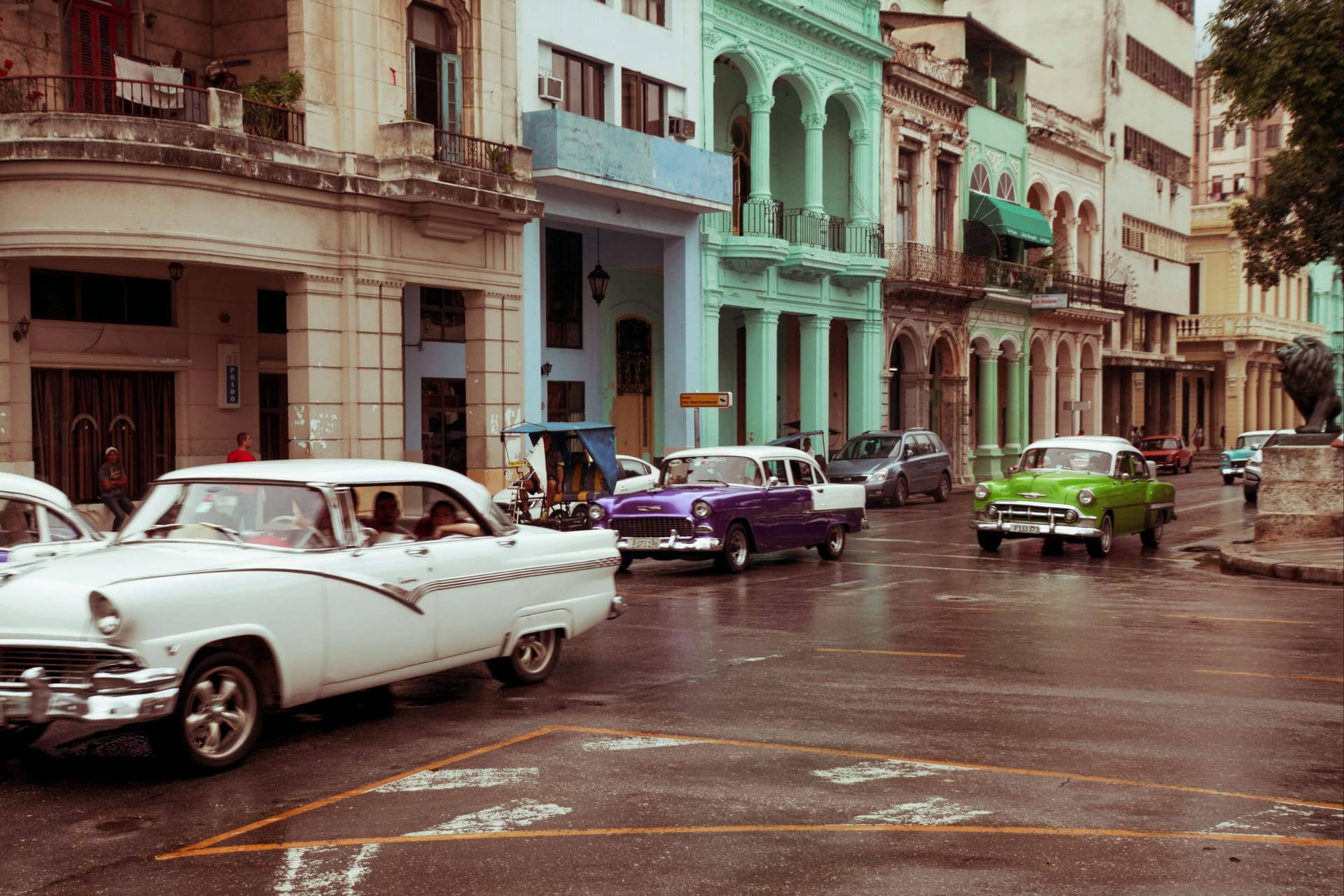
 Cuba
George Town makes sense if
- You want the easier housing and budget equation in this comparison.
- A calmer day-to-day safety profile matters most to you.
- Access to stronger healthcare matters most to you.
George Town is a small Caribbean capital with English-speaking daily life and a narrow but well-paid local market, though work permits can complicate a move. Havana has a warmer, brighter street presence and a stronger cultural identity, but its thin employment base and very low local pay make local income difficult to rely on.
The grey shape is all 283 cities; each row says whether lower or higher is better. Ratings out of 10 are our reviewed estimates; the rest is published data. How we measure
Set how much each area counts. The ranking updates as you go. Climate and values are left out because there is no better or worse there, only your taste.
Leads on city life, safety & health, work & family and moving & settling in; stands out for getting by in english and jobs in english.
Closest to the top on money, 1 point behind George Town; stands out for doctors and local culture.
Scores out of 100, averaged from the areas you weighted. For a ranking built around your own situation, take the quiz.
Rent on a new lease, everyday prices and tax.
The year month by month. Whether it suits you is yours to judge.
Solid line: average daytime high. Dashed: night-time low. Point at the chart for any month; point at a city name to shade its range.
How easily you get to water, mountains and green space.
Getting around on foot, food, culture and the feel of the streets.
Crime, how safe people feel, and the care you would get.
Jobs, working culture, schools and raising kids.
Visas, language, paperwork and staying connected.
Where each city sits. There is no right end of these scales.
Tiny and low-slung, more a strung-out coastal town than a city. Walkability is poor and a car is close to essential, with daily life spread across resorts, plazas and residential pockets rather than a dense centre.
A mid-size capital built for walking, with daily life happening on foot and at street level rather than from behind a windshield. The pace is unhurried to a fault, slower than almost any comparable Latin American capital.
Violent crime is rare, walking at night feels comfortable, and the political backdrop is stable under British overseas-territory governance. Roads are calmer and safer than the mainland norm too.
Violent crime is genuinely low by regional standards, and serious incidents are rare in a way that sets Havana apart from many Latin American capitals. Streets feel calm after dark and traffic is light.
George Town offers a narrow but unusually well-paid local market. Solid for a place this size, with reputable private hospitals and emergency care, and English spoken throughout the system.
Career prospects are exceptionally thin. Cuba is famous for the sheer number of doctors it trains, and access to a physician is about as easy as anywhere on earth.
The food scene is respectable, with good restaurants serving an affluent, international crowd, and the expat community is large and easy to plug into. George Town, in the Cayman Islands, is affluent and immaculately maintained, spotless in the way money buys.
Where Havana is unbeatable is its own culture. Havana is crumbling, its grand buildings decaying for want of upkeep funds.
George Town fits someone with the right work authorisation and a job lined up, especially if an English-speaking setting and stronger local pay matter. Havana is more compelling for cultural immersion, but practical plans should not depend on finding local work.
These numbers treat everyone the same. The quiz weighs them by your budget, climate taste, family and work, and ranks all 283 cities for you.