
Living in Havana
Havana is warm and unusually bright for a tropical capital, with about 209 bright, dry days a year. Local pay is among the lowest in the comparison, while a very thin local job market makes the city a poor fit for anyone relying on local employment.
Havana at a glance
Vital stats
Shown in USD: the local currency (CUP) moves too fast for stable monthly figures.
Where Havana stands out
The metrics where Havana sits farthest from the middle worldwide, good and bad.
Cheap to arrive, expensive to stay?
A typical one-bedroom in Havana runs $446/mo. That is beyond the mean net pay of a typical local employee. This is a solo-newcomer stress test: sitting tenants, shared homes, subsidised housing and informal rents are deliberately outside the numerator.
The fastest way to test a shortlist is to go. A week on the ground tells you things no ranking can.
Partner link
Approved language-learning and international money resources for practical next steps.
Daily life in Havana
How Havana scores
Category by category
Affordability
63/100Havana's open-market one-bedroom rent on a new lease is about $446 per month. The rent-to-income measure reaches its 120% ceiling against one typical employee's mean net pay, so the underlying burden may be higher; the band is beyond local pay.
Climate
tropicalHavana's warmth is reliable, with mild winters and more bright, dry days than most cities in the comparison. January averages about 23°C, while humidity still leaves the city muggy for much of the year. The trade-off is storm risk, which is substantial even though air quality is relatively good.
Nature access
coastalThe sea is the headline. The seafront and nearby beaches give the city its open horizon, and weekends within reach can mean coast, countryside, or the green valleys further west. What it lacks is interior nature close by, there are few real mountains, forests, or proper hiking trails near the city, and green space inside the urban grid is thin.
Urban form
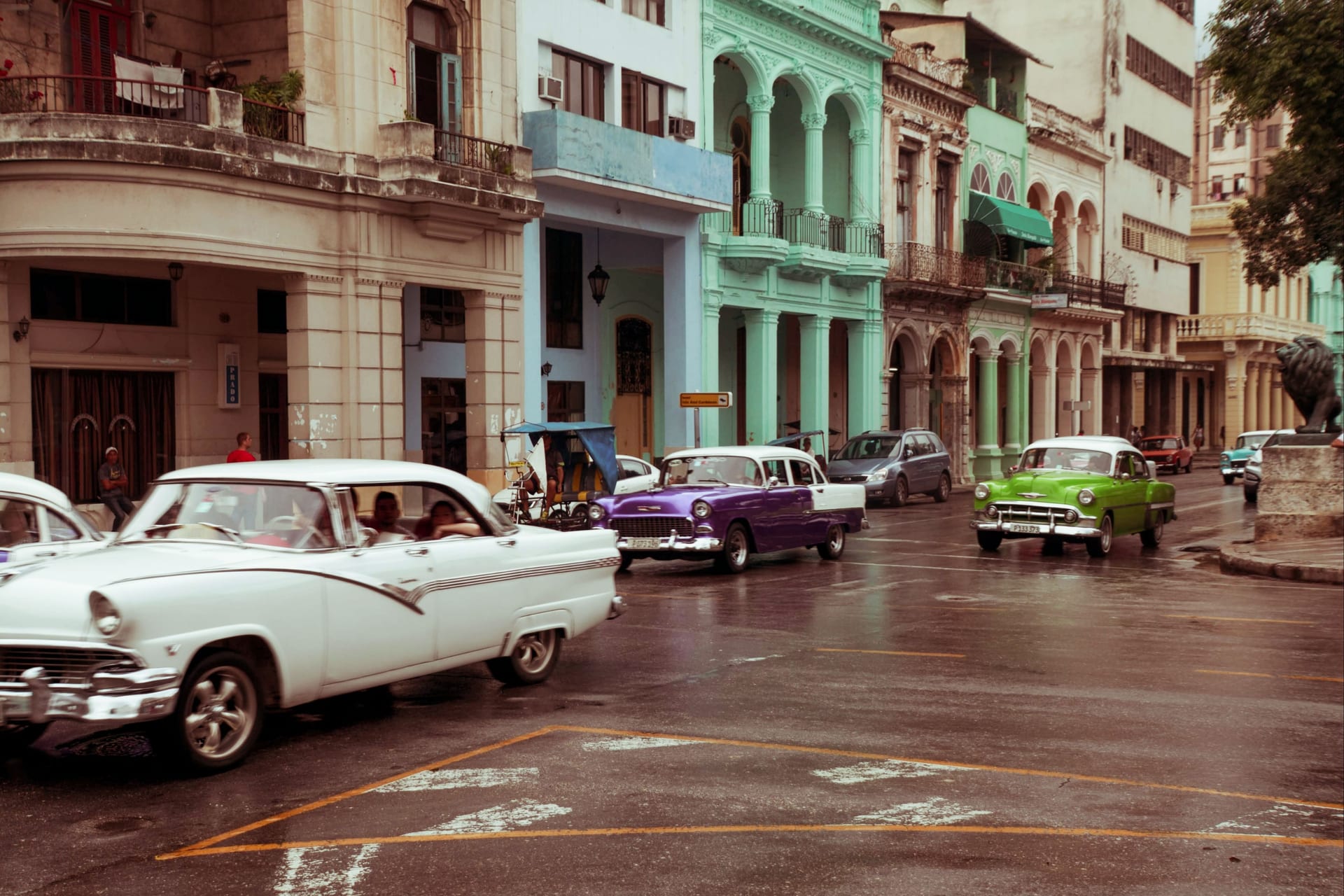
large cityA mid-size capital built for walking, with daily life happening on foot and at street level rather than from behind a windshield. The pace is unhurried to a fault, slower than almost any comparable Latin American capital. Housing stock is aging and often crumbling, so neighbourhood quality swings sharply block to block.
Public life & spaces
41/100Havana is crumbling, its grand buildings decaying for want of upkeep funds. Yet the bones are magnificent, iconic colonial plazas, the Malecon at sunset, squares built on a scale few cities match. Living is very cheap, and the best of it, music and street life, is free and everywhere, lived out beautifully amid the decay.
Safety
68/100Violent crime is genuinely low by regional standards, and serious incidents are rare in a way that sets Havana apart from many Latin American capitals. Streets feel calm after dark and traffic is light. Petty theft and opportunistic scams are the more realistic everyday worry, and the broader political situation adds a layer of uncertainty.
Healthcare
52/100Cuba is famous for the sheer number of doctors it trains, and access to a physician is about as easy as anywhere on earth. The harder truth is what sits behind that: shortages of equipment and medicine, uneven emergency response, and facilities that struggle for resources. Out-of-pocket costs stay low, but English-speaking care is hard to find.
Family life
45/100An ordinary middle of the road place to raise children, neither a standout nor a red flag. Kids grow up outdoors and within tight community networks, and childcare is affordable, but schools and family-sized housing are stretched. Parents trade material comfort for a slower, more communal rhythm of childhood.
Career
28/100Career prospects are exceptionally thin. Local pay is among the lowest in the comparison, and the formal market has little depth across industries, with few English-language or remote options. Unemployment is low, but that does not translate into a broad professional market for newcomers.
Culture & food
58/100Where Havana is unbeatable is its own culture. The music, the art, the street-level life carry a depth that money cannot buy, and the local scene is among the most distinctive in the Caribbean. Dining is the soft spot: vegetarians and vegans will struggle, and the restaurant range is limited by shortages rather than imagination.
Ease of integration
44/100Spanish is essential, and English will only get a newcomer so far in daily life. Locals are warm and genuinely open to outsiders, which makes the first introductions easy, but real integration leans hard on learning the language and adapting to how things actually work here. The international community is small, so most connections will be with Cubans.
Connectivity
18/100This is where the daily grind bites hardest. Digital infrastructure is among the worst of any capital, with slow and unreliable internet, and the power grid and utilities cannot be counted on. Public transport is sparse and aging, intercity rail barely functions, and getting official anything done means wading through deep bureaucracy.
Social values
mixedSocially the city leans secular and reasonably open, more relaxed on questions of religion and personal life than the conservative reputation of the wider region might suggest. Attitudes toward gender, sexuality, and foreigners sit in a moderate, accepting middle. Civic trust and day-to-day orderliness, though, are low, a reflection of the strain the system is under.
Relocation ease
33/100Moving here is hard and stays hard. Visas and work authorization are genuinely difficult, bureaucracy is dense and slow, and banking and administrative tasks are a constant friction, especially given the country's isolation from the global financial system. Spanish eases the language gap somewhat, but the cultural and logistical adjustment is steep.
The trade-offs
A year in Havana
Jun peaks around 30°C, Jan days top out near 25°C, and the year brings roughly 209 bright days.
Can you actually move here?
The hard limits people most often bring to a move, scored against Havana's data.
Moving with a pet
Bringing a pet is moderately doable rather than easy. Cuba requires health certification and paperwork, and the wider import process carries the same slow bureaucracy that touches everything here, so allow extra time and patience.
Who Havana works for
Answer the questionnaire and see where Havana lands for you.
Take the free questionnaireWhere else to look
Havana vs. comparable cities


Objective scores (0–100) for Havana and its 4 nearest comparable cities.
The cities people weigh against Havana
Unexpected siblings
Far from Havana on the map, close across all 14 categories of daily life.


